
Introduction to China's Prefabricated Housing
China's prefabricated housing adopts a new construction model of factory prefabrication and on-site assembly, offering advantages such as short construction periods, reduced pollution, and controllable quality. It has shown remarkable export performance and broad development prospects.
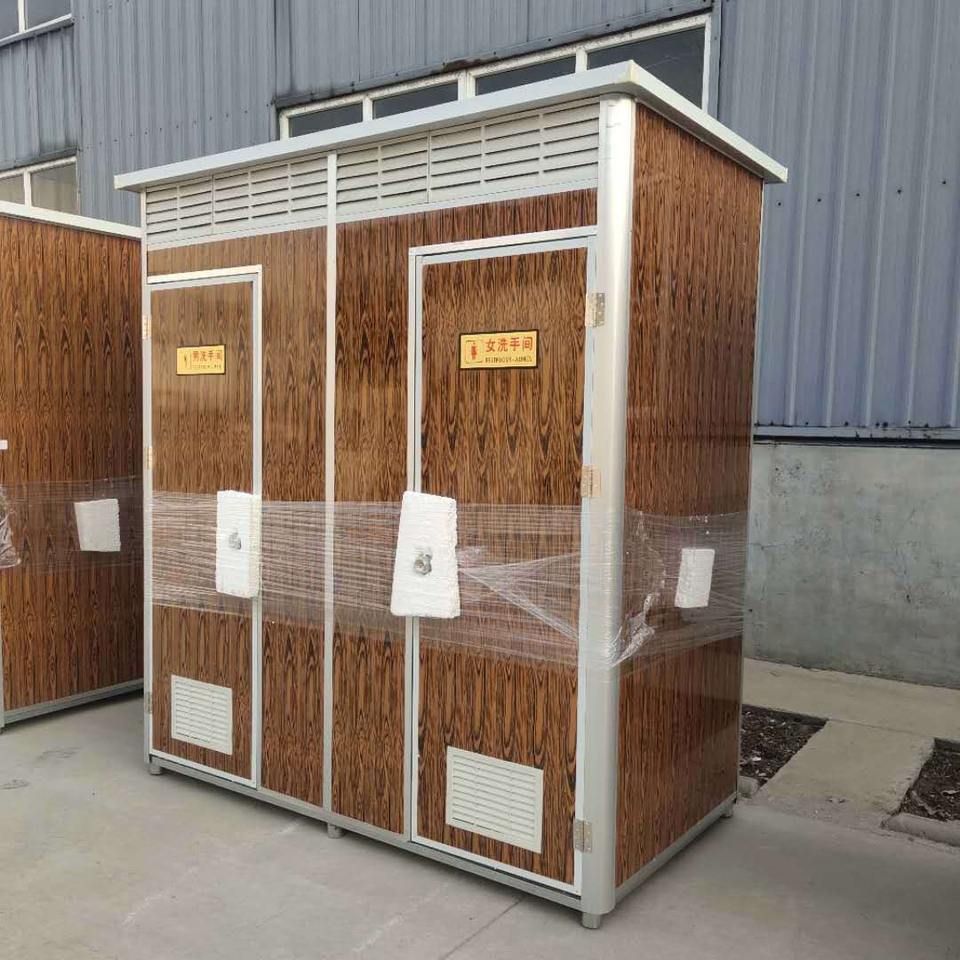
Technical Types and Components: China's prefabricated housing includes prefabricated concrete structures and steel structures, with components such as prefabricated beams, slabs, walls, and columns. The main types are panel-type prefabrication, box-type prefabrication, and frame-type prefabrication. Among them, modular buildings have a higher degree of integration, with ceilings, floors, water and electricity pipelines, and even bathroom waterproof layers all completed in the factory, making on-site assembly as easy as 'building with blocks'.
Core Advantages:
- Shortened Construction Period: The construction period of modular buildings is more than 60% shorter than that of traditional buildings. For example, the on-site hoisting of 63 modular elderly care apartments purchased by British merchants took only two weeks; 84 modules in Papua New Guinea were quickly assembled into a hotel after landing.
- Reduced Pollution: Factory production avoids dust and other pollution caused by traditional on-site construction, meeting environmental protection requirements.
- Controllable Quality: Component production controls errors in millimeters, and all processes are completed in the factory, ensuring stronger quality assurance.
- Environmental Protection and Energy Efficiency: It aligns with the global construction industry's transformation and upgrading trend, contributing to sustainable development.
- Strong Adaptability: Products cover a variety of scenarios, including high-end office buildings, hotels, schools, data centers, elderly care apartments, and dormitories.
Development History: China's prefabricated concrete technology began in the 1950s and was initially used for factory and residential construction. In the 1970s, technical systems such as large panel structures and box structures were formed. In the mid-1980s, development stagnated due to cost and quality defects. After the 21st century, it recovered due to production efficiency and environmental advantages. Companies like Vanke developed prefabricated shear wall residential structural systems and applied prefabricated frame technology in engineering projects.
Export Performance: According to Shenzhen Customs data, in the first four months of this year, national enterprises exported 1.68 billion yuan worth of mobile homes through Shenzhen ports, a year-on-year increase of 19.6%, covering more than 150 countries and regions. Shatian Customs under Huangpu Customs supervised the export of 23 batches of modular houses in the first seven months, with a value of 548 million yuan, a year-on-year increase of 7.3 times. Guangdong CIMC Architectural Manufacturing Co., Ltd. exports products to more than 20 countries, including the UK and Australia, with an average annual output value of 77.458 million yuan.
Future Prospects: Market research institutions predict that by 2030, the global modular building market size will exceed 142.8 billion US dollars. With its full industrial chain advantages, China is transforming 'house building' into a standard industrial product export business, with huge development potential.



