
Is China's Mobile Toilet Good?
China's mobile toilets generally perform well, with significant advantages in specific scenarios. However, their pros and cons depend on the specific application environment and management level.
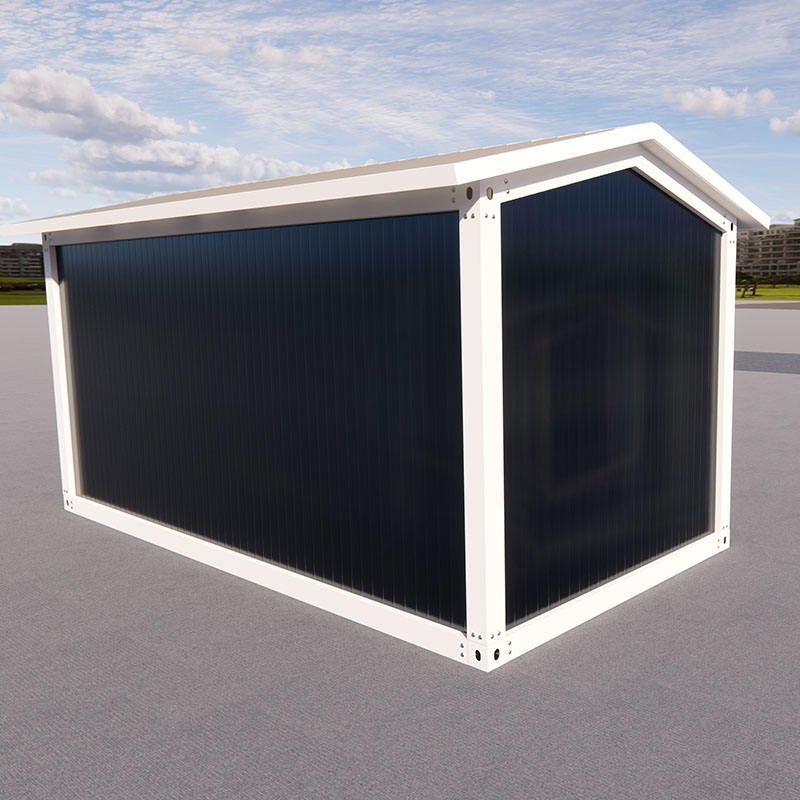
Technological Advantages: Some products have achieved technological breakthroughs in being "waterless, odorless, and pollution-free." Through microbial degradation technology, waste can be converted into organic fertilizer, with a single public toilet saving thousands of tons of water annually and reducing carbon emissions by about 30%. Additionally, equipped with intelligent management systems, they can remotely monitor equipment status and dynamically adjust microbial activity, maintaining high degradation rates even in extreme environments. For example, in high-temperature or high-humidity areas, the system can adjust ventilation and degradation parameters in real-time through sensors to prevent odor spread.
Strong Scene Adaptability: Mobile toilets can be customized according to different needs. In cultural and tourism scenarios, they can integrate ultra-high-definition screens and AI cultural tourism models to provide personalized services such as scenic spot introductions and route planning. In high-traffic scenarios, carbon积分 incentives can be used to guide user interaction and enhance the user experience. However, without regional adaptability design, equipment failures or odor spread issues may occur in high-altitude or cold regions. For example, low air pressure in high-altitude areas may reduce microbial activity, and in cold regions without insulation layers, equipment is prone to freezing and damage.
Significant Ecological Value: Through internal circulation systems, wastewater is treated in multiple stages, with some treated water reused for flushing, forming a water cycle. Energy supply uses photovoltaic power generation components, reducing dependence on the urban power grid. The intelligent management system collects operational data through sensors to enable preventive maintenance and reduce failure rates. For example, in remote areas, photovoltaic power generation can ensure 24-hour operation of the equipment, reducing energy costs.
Certain Challenges Exist: Maintenance costs are relatively high, requiring regular cleaning of septic tanks and replenishment of disinfectants, with a single cleaning cost of about 50-150 yuan. Comfort is limited, as the internal space is relatively small due to the size of the container, which is not friendly to individuals with mobility impairments. The lightweight structure results in weaker wind and impact resistance, requiring additional attention to anti-theft and fire prevention performance. In cold northern regions without insulation layers and heating systems, equipment is prone to freezing and damage in winter.



