
Chibi New Environmentally-Friendly Mobile Toilet
Although specific information about the new environmentally-friendly mobile toilet in Chibi has not been explicitly mentioned, a comprehensive analysis can be conducted by combining the general technical characteristics of new environmentally-friendly mobile toilets with the practical models in Hubei.
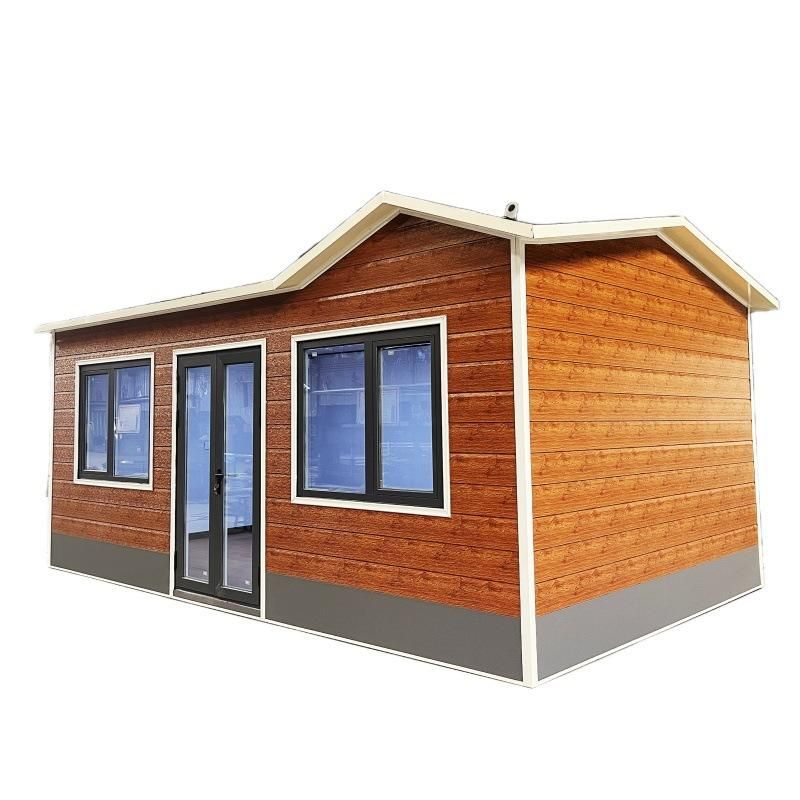
From a technical perspective, the core advantages of new environmentally-friendly mobile toilets lie in water conservation, environmental protection, and intelligence. Firstly, water-saving technology represents a key breakthrough. Vacuum negative-pressure flushing technology achieves rapid removal of excreta through negative-pressure suction, with a single flush volume controlled within 0.5 liters, saving over 90% of water compared to traditional toilets. Foam-based technology, on the other hand, utilizes a mixture of foaming agent, water, and air to form a foam layer covering excreta, reducing odor diffusion through physical isolation while reducing water consumption to 0.1-0.3 liters per person per day, making it particularly suitable for water-scarce or areas without fixed pipe networks. Secondly, environmental treatment technology achieves closed-loop pollution control. Some models are equipped with built-in bioreactors that employ immobilized microbial technology to decompose organic matter through specific microbial communities, converting excreta into harmless substances with a treatment efficiency over 50% higher than that of traditional septic tanks. The separation-based storage and chemical degradation technology commonly used in rental services in Hubei separates solids from liquids physically and accelerates decomposition with chemical agents, extending equipment service life and reducing collection and transportation frequency. Thirdly, material and energy innovations enhance durability. The shell is made of high-molecular composite materials with corrosion resistance, UV resistance, and lightweight properties (40%-60% lighter than metal materials), adapting to complex outdoor environments. In terms of energy supply, solar photovoltaic panels and cogeneration units form a complementary system, ensuring equipment operation even on cloudy or rainy days. The Internet of Things (IoT) technology monitors toilet occupancy status, temperature, humidity, and equipment failures in real-time through sensors, dynamically dispatching sanitation workers to improve management efficiency.
In terms of application scenarios, Chibi can refer to the rental service model of mobile toilets in Hubei and optimize technical configurations based on local needs. For example, tourist attractions or temporary event venues can choose foam-based or vacuum negative-pressure toilets to reduce water resource dependence through water-saving technologies. Remote areas or construction sites can adopt separation-based storage and chemical degradation technologies to lower collection and transportation costs. Equipment materials should be selected based on usage frequency, with high-strength composite materials or anti-corrosion coatings chosen as appropriate, and capacity matching should be dynamically adjusted based on pedestrian traffic to avoid resource waste.



