
Chengde Large-Scale Mobile Toilet Services
Chengde's large-scale mobile toilet services cover multiple aspects including service scenarios, facility features, maintenance management, environmental impact, operational models, and user experience.
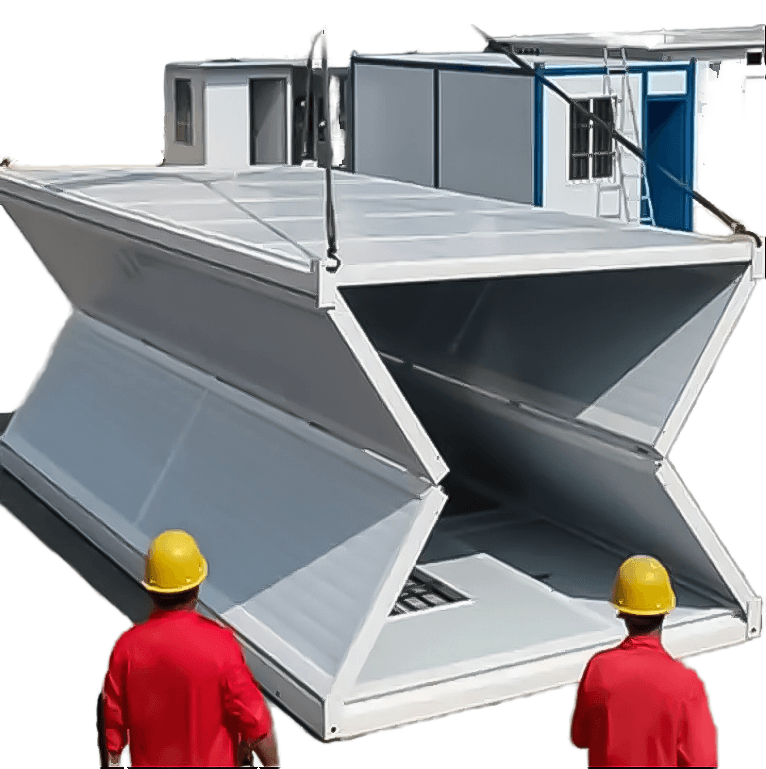
Service Scenarios: Chengde's large-scale mobile toilet services are widely applied in various scenarios. On construction sites, they provide convenient toilet facilities for workers; at large-scale events such as music festivals, concerts, and marathons, they meet the needs of a large number of spectators and participants; in scenic spots, they facilitate tourists' use and enhance the visiting experience; at transportation hubs like train stations and bus stations, they serve travelers passing through.
Facility Features: These facilities adopt a modular structure with weather-resistant main materials to cope with Chengde's local climate conditions. They are fully equipped internally with independent toilet stalls, lighting, ventilation systems, and separate collection systems for wastewater and solid waste. Some facilities also integrate solar power supply devices to meet basic lighting and ventilation energy needs, reducing reliance on external power grids.
Maintenance Management: Maintenance work includes regular waste removal, internal and external cleaning and disinfection, inspection of the integrity of various functional components, and timely replenishment of consumables. The maintenance frequency is related to the foot traffic and usage intensity at service points and requires dynamic adjustment.
Environmental Impact: Mobile toilets cause minimal disturbance to the ground surface and ecology at installation sites. Environmental management focuses on the subsequent treatment of waste. Collected sewage needs to be transported to facilities with corresponding treatment capabilities for centralized disposal, while solid waste should be classified and transferred according to relevant regulations to prevent pollution of local soil and water environments.
Operational Model: The operator establishes a coordinated system encompassing vehicle scheduling, personnel shift arrangements, material resupply, and emergency response. Point layout adjustments require a comprehensive assessment of long-term demand changes and short-term event needs to ensure the service network effectively covers major demand areas and avoids resource idleness.
User Experience: Factors affecting usability include clear and understandable signage, clean internal spaces, sufficient supply of basic consumables, and the availability of barrier-free facilities.



