
Chengde Intelligent Mobile Toilet
The Chengde Intelligent Mobile Toilet is a modern sanitation facility that combines modular design, environmental protection technology, and intelligent operation and maintenance. It features weather resistance, energy efficiency, and ecological recycling functions, and will be upgraded to a smart terminal in the future.
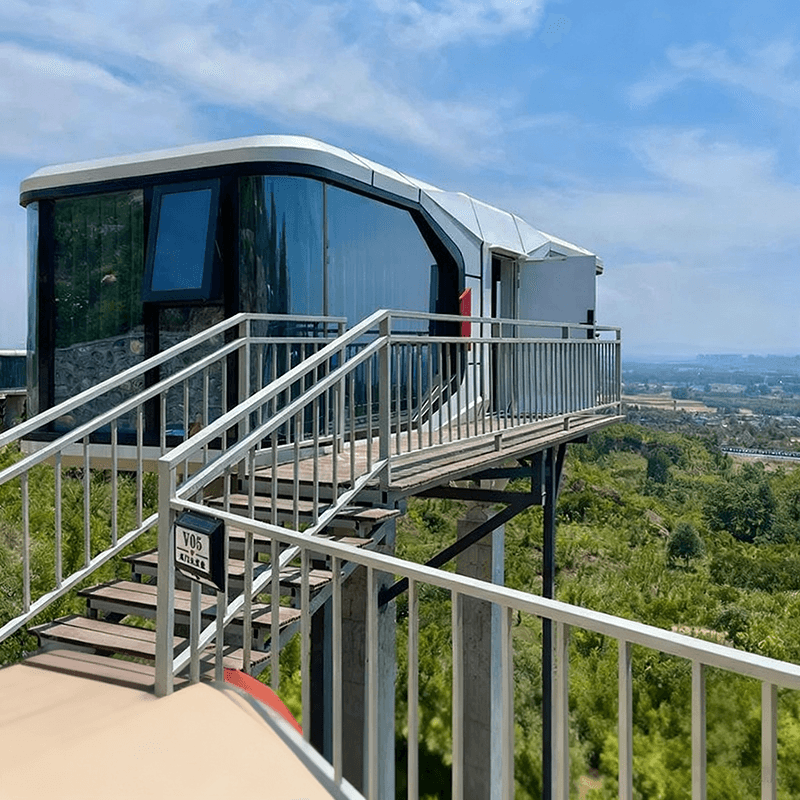
1. Structure and Materials: Modular Design to Meet Climate Challenges
The Chengde Intelligent Mobile Toilet adopts a modular structure, with its main materials possessing weather resistance to adapt to the local climate characterized by large temperature differences and cold winters. The interior of the toilet body is equipped with polyurethane insulation panels and an automatic constant-temperature electric heating system, effectively preventing pipeline freezing in winter and ensuring normal operation of the equipment in low-temperature environments. This design not only enhances the durability of the facility but also reduces maintenance costs caused by climate factors.
2. Environmental Protection Technology: Zero Emission and Odor Control
In large-scale event scenarios such as concerts, the mobile toilet employs microbial degradation technology, converting excreta into organic fertilizer by adding specialized bacterial strains, eliminating the need for connection to a flushing water network and achieving zero emission. Meanwhile, the toilet body is equipped with an activated carbon filter and a UV photolysis deodorization device, which efficiently decompose odor molecules through physical adsorption and photocatalytic oxidation, ensuring an odor-free usage environment. This technology not only reduces water consumption but also avoids the sewage discharge problems associated with traditional toilets, meeting ecological and environmental protection requirements.
3. Energy Supply: Self-Sufficiency through Solar Power
Some facilities integrate solar power supply devices to provide energy for basic functions such as lighting and ventilation, reducing reliance on external power grids. The design of the solar panels balances efficiency and durability, meeting the low-energy consumption needs of the mobile toilet's daily operation, especially in outdoor or remote scenarios, significantly enhancing the independence and sustainability of the facility.
4. Operation and Maintenance Management: Combining Intelligence and Humanization
The operation and maintenance team uses electric cleaning vehicles for daily inspections, improving cleaning efficiency and reducing labor costs. The equipment features bilingual (Chinese-English) usage instructions posted inside for the convenience of domestic and foreign tourists; it is also equipped with an emergency call button to ensure quick contact with operation and maintenance personnel in case of emergencies. These detailed designs reflect a balance between humanization and safety.
5. Future Upgrades: Integration of Smart Terminals and All-for-One Tourism
The planning for Chengde's mobile toilets is not limited to sanitation functions; they will be upgraded to smart terminals integrating intelligent monitoring, ecological recycling, and cultural display in the future. For example, sensors will be used to monitor usage frequency, environmental parameters, and other data in real-time to optimize resource allocation; the exterior design will incorporate local cultural elements to become part of the all-for-one tourism infrastructure, enhancing the tourist experience and the city's image.
Through technological innovation and functional expansion, the Chengde Intelligent Mobile Toilet not only solves problems such as environmental adaptability and resource consumption associated with traditional toilets but also provides a replicable case for smart city construction, demonstrating the potential for the integration of public facilities with ecology, technology, and culture.



