
Chaoshan Cement Prefabricated House
Chaoshan cement prefabricated houses are built using prefabricated cement components, featuring fast construction, excellent performance, good cost-effectiveness, and flexible design, making them suitable for various scenarios.
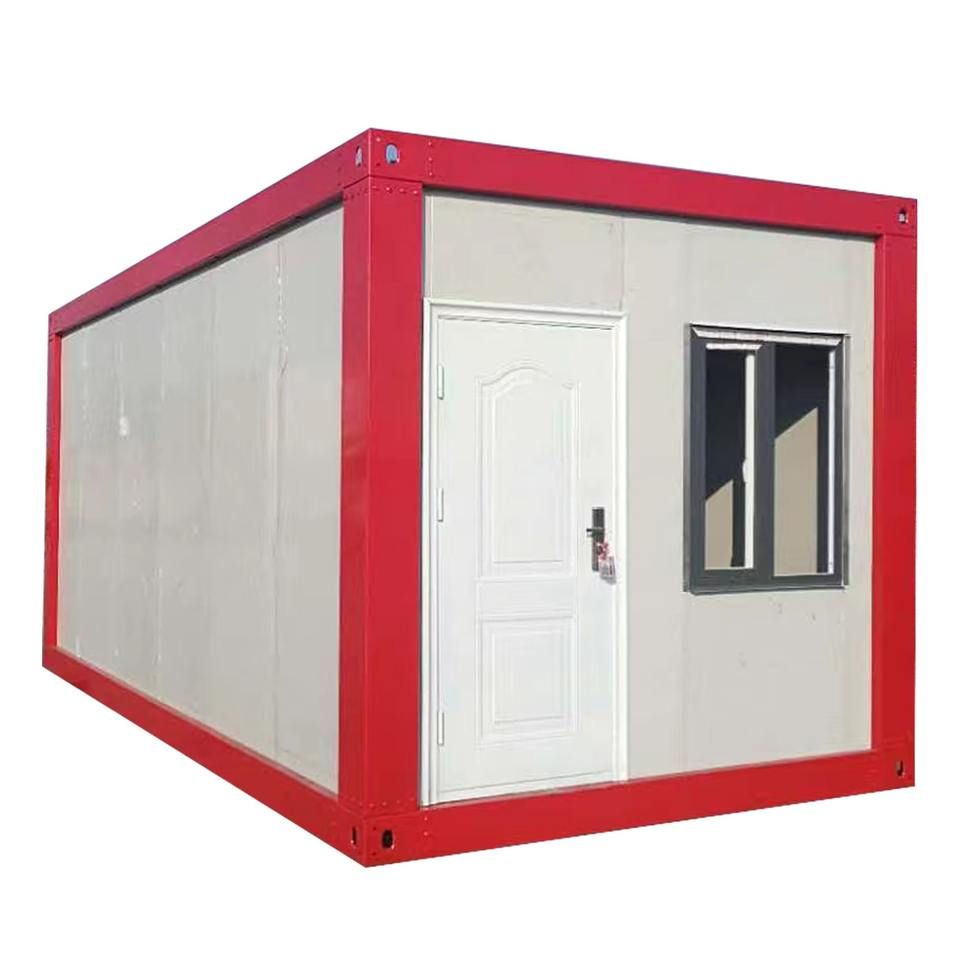
Construction: Chaoshan cement prefabricated houses are constructed by prefabricating components in factories and assembling them on-site. The components are manufactured in advance in factories, with quality controlled by production processes and material ratios, ensuring high stability. During construction, the components are simply transported to the site for assembly, resulting in fast construction speed, short project duration, and year-round construction without being restricted by seasons or weather conditions.
Performance: These houses possess multiple excellent performance characteristics. Strong earthquake resistance, enabling them to effectively withstand natural disasters such as earthquakes; high durability, with strong pressure and sun resistance, adapting to different climatic conditions; fire-resistant, flame-retardant, and energy-saving for insulation, reducing energy consumption; wind-resistant, moisture-proof, corrosion-resistant, and weather-resistant, minimizing the need for later maintenance.
Economics: Although the initial investment may be relatively high, the long-term cost-effectiveness is significant. Short construction periods save project duration costs; strong durability reduces later maintenance expenses; the designed service life is over 70 years, and they support overall relocation and secondary disassembly and reuse, greatly saving input costs through recycling.
Design: The design plans are flexible and can be customized according to customer needs, meeting different functional requirements for residential, commercial, and industrial buildings. For example, they can be used to create office buildings, small hotels, staff dormitories, and other facilities.
Application Scenarios: Widely used in residential, commercial, and industrial fields. In the residential sector, they are suitable for new rural construction, urban expansion, and earthquake-prone areas; for commercial buildings, they can shorten construction periods and reduce the impact on surrounding activities; for industrial buildings, they are suitable for the construction of warehouses, factories, and other facilities, helping enterprises start production promptly. In addition, they can also be used for the renovation of dilapidated rural houses and self-built rural housing.



