
Quay lại blog
Bài viết
Central Mobile Toilet
Quản trị 20 tháng 9, 2026
Central mobile toilets generally refer to facilities that can be moved as a whole and provide toilet services for specific locations. They fall under the category of mobile toilets and are characterized by flexible deployment, environmental protection, and high efficiency.
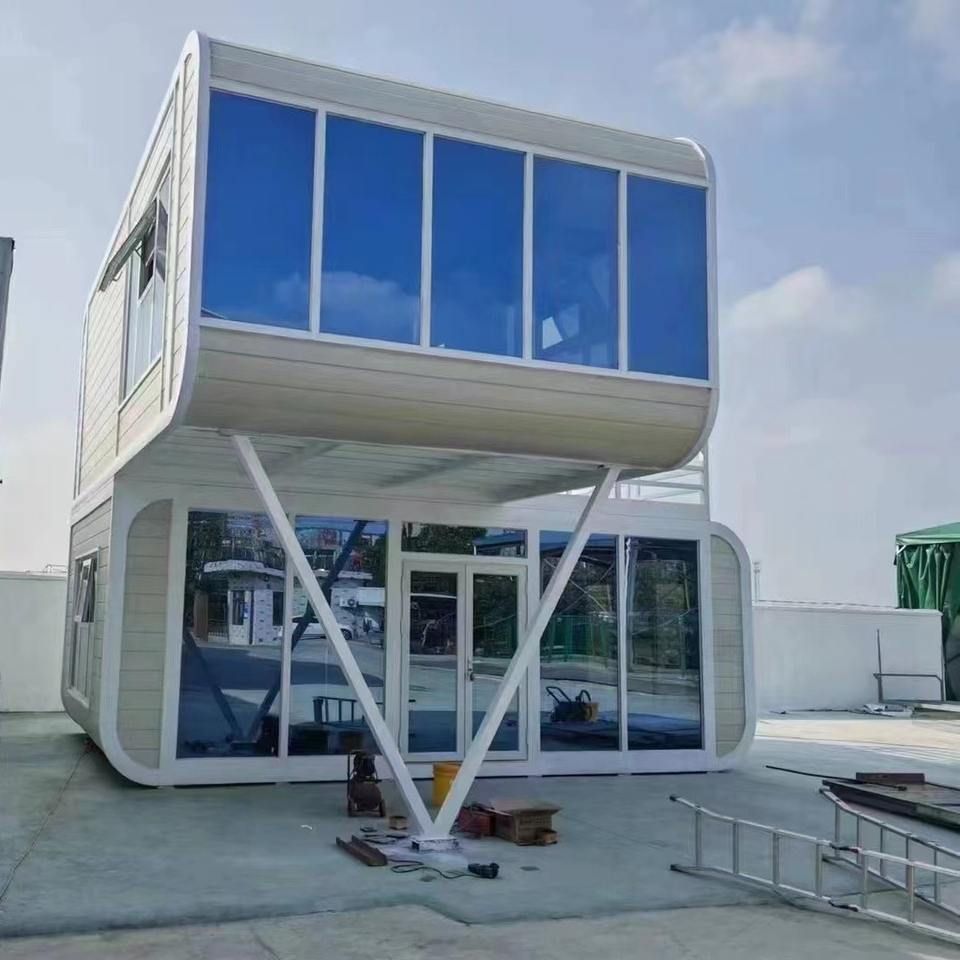
Composition and Classification of Mobile Toilets
Mobile toilets are generally composed of fecal sewage storage tanks (or disposal devices), floor slabs, sanitary ware, walls, washing equipment, water tanks, roofs, and mobile devices. There are various classification methods:
- By structural form: They are divided into single-unit structures (independent units) and composite structures (multi-unit combinations).
- By mobility method: They include lifting/handling types (requiring mechanical assistance for movement) and powered/trailer types (with built-in power or capable of being towed for movement).
- By sewage treatment method: They are classified as flush toilets (requiring a water source), waterless flush suction toilets (using vacuum suction for feces), circulating water flush toilets (utilizing water recycling), and dry packing toilets (packaging feces for disposal).
Core Advantages of Mobile Toilets
- Flexibility and Adaptability: They can be quickly deployed in temporary or fixed-demand locations such as stations, docks, tourist attractions, large construction sites, and squares, addressing the issues of long construction periods and limited site selection for traditional toilets.
- Environmental Protection and Water Conservation: Taking mobile environmental toilets as an example, they adopt new materials and water-saving technologies. By collecting hand-washing water and adding special agents, they achieve a flushing effect with only 0.46 liters of water per person, significantly reducing water consumption.
- Durability and Safety: The frames are welded from national standard steel, with surfaces covered with anti-corrosion and fire-resistant materials such as color steel plates or carved plates, ensuring a service life of over 20 years. Internally, they are equipped with non-slip floors, automatic flushing toilet bowls, and ventilation and lighting systems, complying with the GBLT18091-92 standard to ensure safe and comfortable use.
Design Principles of Mobile Toilets
- Easy Mobility: Lightweight structural design supports rapid disassembly, assembly, and transportation, adapting to different scenario requirements.
- Economic Durability: Low-cost, high-strength materials are selected to reduce maintenance costs and extend service life.
- Environmental Ecology: Priority is given to waterless flush or circulating water technologies to reduce sewage discharge and minimize environmental impact.
- Humanitarian Care: The internal layout and facilities are optimized to enhance the user experience, with particular attention to the needs of special groups such as the disabled.



