
Cement Prefabricated House by Sister Yang
Cement prefabricated houses are a form of construction characterized by the on-site assembly of factory-prefabricated components, offering advantages such as low cost and rapid construction. However, traditional types have deficiencies such as poor earthquake resistance and inadequate sound and thermal insulation, while improved prefabricated houses have significantly enhanced performance.
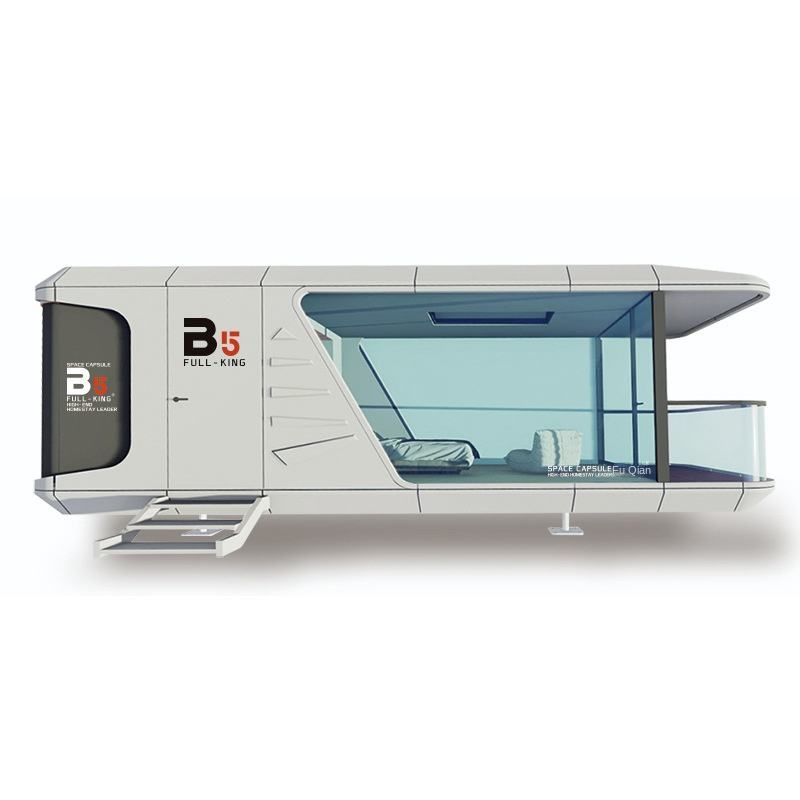
Characteristics of Traditional Cement Prefabricated Houses
Traditional cement prefabricated houses are constructed by prefabricating wall panels, floor slabs, and other components in a factory, which are then transported to the site for rapid assembly. Their core advantages lie in their low cost, with a construction cost of approximately 300 yuan per square meter. A two-story house can be built for around 100,000 yuan, which is only half the cost of a traditional brick house. Additionally, they boast high construction efficiency, with the main structure capable of being assembled within 4 hours, allowing occupancy within a few days, making them suitable for emergency housing needs.
However, traditional types have significant drawbacks:
- Poor Earthquake Resistance: The overall structural integrity is weak, making them prone to collapse in earthquake-prone areas. Even minor earthquakes can lead to collapse, posing significant safety hazards.
- Inadequate Sound and Thermal Insulation: The walls are thin and have numerous joints, resulting in stuffy conditions in summer and cold conditions in winter. Additionally, sounds from neighboring rooms are clearly audible.
- Durability Issues: The joints are prone to water leakage, leading to corrosion of internal steel bars and shortening the lifespan of the house. Early rural prefabricated panel houses had extremely short lifespans due to joint issues, with a high proportion of inferior products.
Technological Breakthroughs in Improved Prefabricated Cement Houses
In response to traditional deficiencies, modern prefabricated cement houses have significantly enhanced performance through technological upgrades:
- Structural Strength and Durability: High-standard reinforced concrete is used for integral casting (such as products from Huacheng Cement House Factory), resulting in a dense and sturdy structure with a design lifespan of over 70 years. They possess earthquake and compression resistance as well as fire and flame retardancy.
- Material and Process Optimization: C30-C40 grade concrete is used as the core material, with built-in Φ8-Φ12 steel bar meshes. The compressive strength reaches 25-30 MPa, with a wind resistance rating of 10 and an earthquake resistance design intensity of 7 degrees, enabling them to withstand harsh climates.
- Construction Efficiency and Standardization: A single 30㎡ module can be prefabricated in the factory in just 7 days. On-site installation is completed by three workers with the assistance of a crane, taking only 4 hours to install a single module. A 100㎡ house can be fully erected in just 2 days, balancing efficiency and quality.
Suitable Scenarios and Selection Recommendations
Traditional cement prefabricated houses are suitable for short-term, low-cost needs but should avoid earthquake-prone areas and accept reduced comfort. Improved prefabricated houses are suitable for long-term residency and scenarios with high safety requirements, such as rural self-built houses and emergency shelters. When selecting, it is essential to focus on examining the manufacturer's qualifications, material standards, and earthquake resistance design parameters to avoid inferior products.



