
Expropriation of Cement Prefabricated Houses
When cement prefabricated houses are expropriated, corresponding compensation is usually available. The specific compensation content and standards need to be comprehensively determined based on the nature of the house, the type of expropriation, and local regulations.
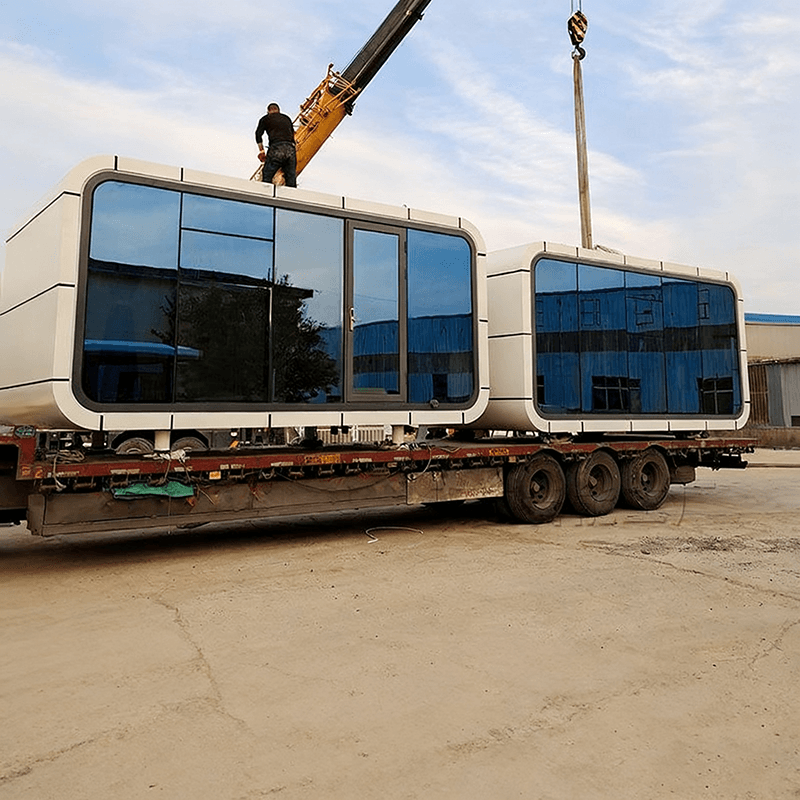
I. Compensation Content for Legal Expropriation
House Value Compensation
- Houses on state-owned land: Assessed by qualified real estate appraisal agencies at market prices, with compensation standards not lower than the market prices of similar real estate.
- Houses on collective land: Compensation refers to the Land Administration Law and local regulations, usually including replacement cost (assessing reconstruction costs based on the house structure and construction years) and homestead compensation.
Relocation and Temporary Resettlement Compensation
- Relocation assistance fees: Cover furniture and appliance disassembly, transportation, and installation costs, with specific standards set by local governments.
- Temporary resettlement assistance fees: If property rights exchange is chosen, temporary resettlement fees or transitional housing must be provided during the transition period, with fees referring to local rental standards for similar houses.
Compensation for Business Interruption Losses
- For legally operated cement prefabricated houses (such as shops and enterprises), the compensation amount is determined based on factors such as pre-expropriation performance and the duration of business interruption, with specific methods set by provincial governments.
Incentive Compensation
- To encourage cooperation with demolition, local governments may set incentive clauses, with compensation standards linked to relocation time and cooperation level, subject to conditions announced by the local government.
II. Compensation Rules for Special Circumstances
Illegal Buildings and Historical Issues
- Houses built without legal approval are generally not compensated, but if incomplete procedures are due to historical reasons, appropriate material compensation (such as building material costs) may be available.
- For legal property losses caused by illegal demolition, compensation for the value of items inside the house can be requested, but compensation for the house itself may be limited.
Handling of Overdue Temporary Buildings
- Temporary buildings (such as temporary warehouses) that are not demolished after the approved usage period has expired can be legally demolished by the government without compensation.
Reconstruction Assistance After Natural Disasters
- For houses that become dangerous due to disasters such as earthquakes, the government may provide reconstruction assistance after demolition, such as financial support or resettlement housing.
III. Compensation Methods and Appraisal Basis
House value compensation must be assessed by professional appraisal agencies based on factors such as area, structure, construction years, and market prices to ensure objective and fair results. Relocation and resettlement compensation standards must comply with local policies, and compensation for business interruption losses requires the provision of business licenses and financial documents.



