
Cement Prefabricated House Construction Process
The construction process of cement prefabricated houses mainly includes four steps: preparation stage, component production, on-site assembly and construction, and post-maintenance and management.
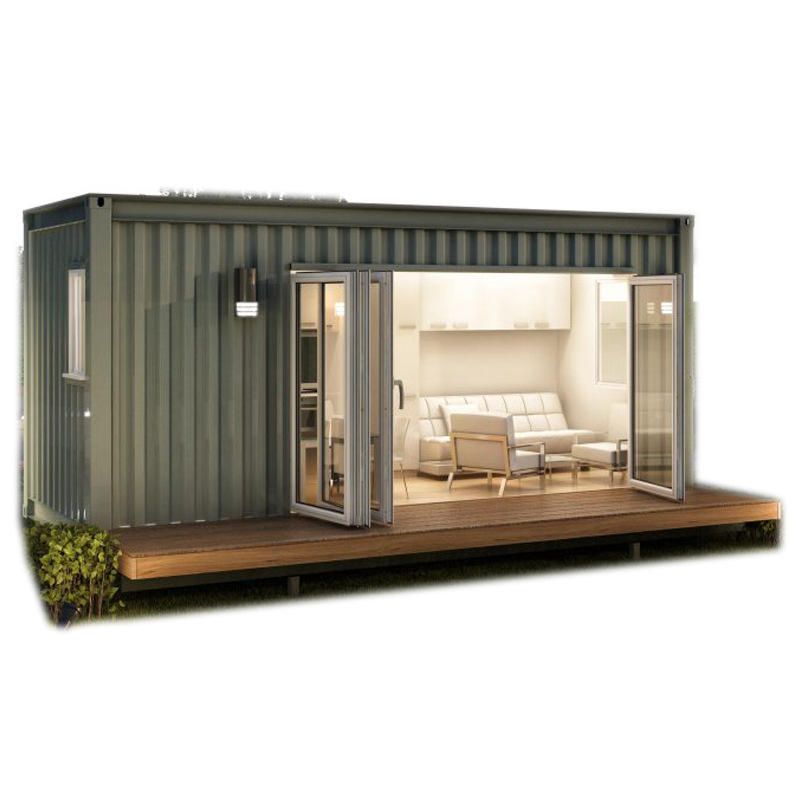
Preparation Stage: Site selection and evaluation are the top priorities. It is necessary to ensure that the construction site has stable geological conditions and a suitable surrounding environment to avoid the impact of geological problems on the safety of the house. At the same time, a detailed design plan should be formulated according to requirements, clarifying parameters such as the house structure and dimensions. In terms of material and equipment preparation, it is essential to purchase main materials such as cement, steel bars, and prefabricated components in advance and prepare tools and equipment such as molds and connectors. Technical preparation involves organizing drawing reviews, compiling special construction plans for sub-projects, implementing a hierarchical technical disclosure system to ensure that construction personnel are familiar with the construction process and technical requirements. Site preparation includes site leveling and hardening, temporary facility erection, and temporary water and electricity layout to create favorable conditions for subsequent construction. In addition, safety training for construction personnel should be carried out to raise safety awareness and reduce construction accidents.
Component Production: Prefabricated components such as wall modules are produced in the factory according to the design plan. Pour concrete into the molds and perform vibration and leveling to ensure that the concrete is dense and the surface is flat. After the concrete solidifies, remove the molds and perform curing and polishing on the components to ensure that the quality meets the standards and the dimensions are accurate. During the production process, quality inspections should be carried out on the materials used to ensure that they meet relevant standards. At the same time, the calibration of each module should be carried out smoothly to ensure that they are on the same horizontal plane for subsequent assembly.
On-site Assembly and Construction: Transport the qualified prefabricated cement house components to the construction site and carry out lifting and splicing operations according to the designed order and structural requirements. Use connecting fixtures to firmly connect each component to form a complete structural system. After that, install facilities such as distribution boxes, switch sockets, electrical equipment, water pipes, and sewer pipes to improve the functionality of the house. During the assembly process, foundation pouring is also required to form a solid foundation, and the flatness and perpendicularity of the main structure should be checked and adjusted. Finally, inspect and accept the entire building to ensure that its safety and stability meet the specified requirements.
Post-maintenance and Management: After the house is put into use, regular maintenance and upkeep of the house and its附属 (ancillary) equipment are required. Check for cracks, deformations, and other problems in the house structure and repair them in a timely manner; inspect electrical equipment and water pipes to ensure their normal operation. Through regular maintenance, potential problems can be detected and resolved in a timely manner, extending the service life of the house and improving living comfort.



