
Can You Defecate in a Portable Toilet?
You can defecate in a portable toilet. Portable toilets are specifically designed to meet people's toilet needs outdoors or in specific locations. Their functions are similar to those of ordinary toilets, so they can naturally be used for defecation. Here is a detailed introduction to the fecal discharge methods and related features of portable toilets:
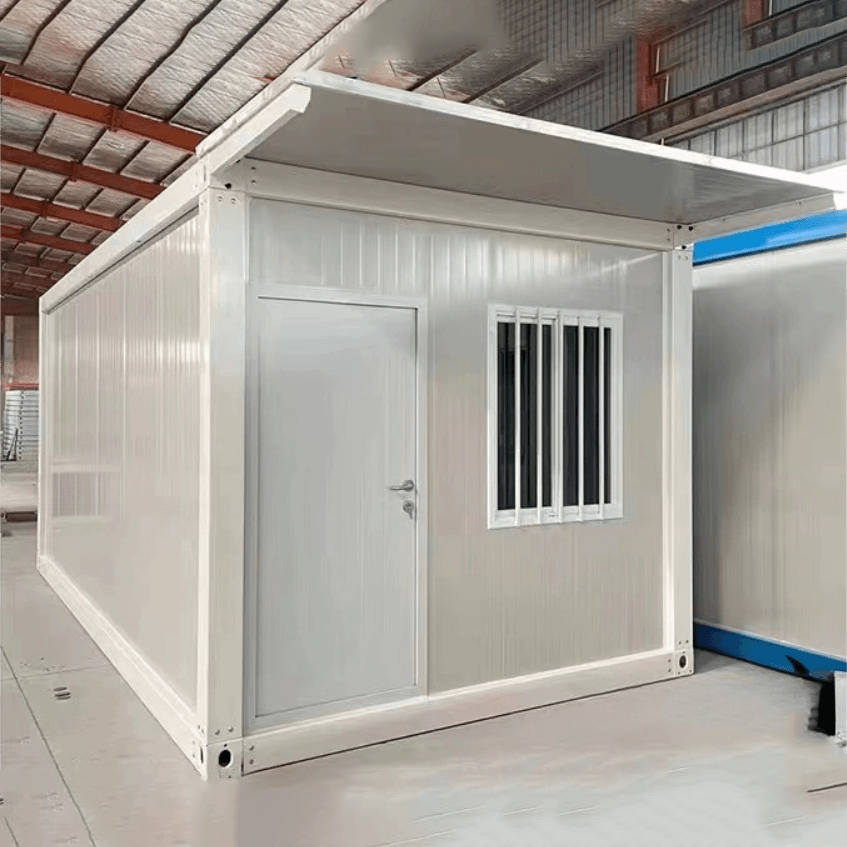
Water-flush Direct Discharge Type
This type of portable toilet is equipped with a water tank and a flushing device, and its usage is basically the same as that of an ordinary water-flush toilet. After the user finishes defecating, they press the flush button, and the water in the tank quickly flushes out, carrying the feces into the septic tank below or directly into the municipal sewage pipeline (if connected to relevant facilities). The advantage of this method is its good cleaning effect, which can quickly flush away the feces and keep the interior of the toilet hygienic. The disadvantage is that it requires a stable water supply, and if directly discharged into the environment, it may cause pollution to the surrounding water bodies.
Waterless Packing Type
Waterless packing portable toilets do not require water for flushing. They use biodegradable plastic bags to collect feces. After the user defecates, the feces directly fall into the plastic bag. After each use, the plastic bag automatically seals to prevent odor from spreading. When the plastic bag is full, it only needs to be taken out and replaced with a new one. The advantage of this method is water conservation, making it suitable for water-scarce areas or places with tight water resources. The disadvantage is that the plastic bags need to be replaced regularly, and their disposal needs to comply with environmental protection requirements; otherwise, they may cause white pollution.
Foam Sealing Type
Foam sealing portable toilets generate a large amount of foam through a special foaming device. This foam covers the inside of the toilet bowl, forming a sealing layer. When the user defecates, the feces fall into the foam, which can prevent odor from spreading and also play a certain lubricating role, making it easier for the feces to be discharged. At the same time, the foam can also reduce water consumption. The advantage of this method is water conservation and effective odor control. The disadvantage is that the generation of foam consumes a certain amount of energy and foaming agents, and the foaming device needs regular maintenance.
Microbial Degradation Type
Microbial degradation portable toilets use microorganisms to decompose and degrade feces. A special microbial culture box is set up inside the toilet. When the feces enter the culture box, the microorganisms decompose them into harmless substances such as carbon dioxide, water, and inorganic salts. The advantage of this method is environmental protection and pollution-free operation. It does not require connection to a sewage pipeline and can reduce the volume of feces. The disadvantage is that the cultivation and maintenance of microorganisms require certain techniques and conditions, and the degradation process may take a certain amount of time.
Recirculating Water-flush Type
Recirculating water-flush portable toilets achieve the flushing function through a water circulation system. They filter and disinfect the used water to meet the standards for reuse and then recirculate it for flushing. The advantage of this method is significant water conservation, making it suitable for places with limited water use. The disadvantage is that the maintenance and operation of the water circulation system require certain costs and technical support.



