
Can Second-Hand Container Houses Be Purchased?
Second-hand container houses can be purchased, but it is necessary to carefully evaluate their intended use, risks, and total costs. They are only recommended for temporary non-residential scenarios. Here is a detailed analysis:
I. Correlation Between Price and Container Condition
Low-priced second-hand container houses (ranging from 2000 to 3000 yuan) are mostly of 'storage-grade' or lower standards. They have small container sizes (e.g., approximately 14 square meters for a 20-foot container), are in a raw interior state, and exhibit extensive rust, repair marks, or slight deformation. They are only suitable for temporary storage or non-residential purposes. If the container is in good condition and meets the 'cargo-worthy' standard, the price of a second-hand container ranges from 5000 to 10000 yuan, while the price of a brand-new standard container house exceeds 6000 yuan.
II. Core Risks and Limitations
- Safety: Prolonged use can lead to structural fatigue, potentially resulting in deformation, rust, and other issues that affect load-bearing capacity and pose a risk of collapse.
- Performance Degradation: Fire resistance, waterproofing, and thermal insulation performance significantly decrease. For example, aging seals can cause water leakage, and damaged insulation layers can lead to sweltering heat in summer and cold in winter.
- Material Durability: Ordinary steel is prone to rust and corrosion in humid environments and may require extensive maintenance or replacement after just 1-2 years of use, resulting in high maintenance costs.
- Legal Risks: It is necessary to confirm that the source of the container is clear to avoid purchasing containers of unknown origin that may lead to legal disputes, such as those involving theft or illegal modification.
III. Additional Cost Components
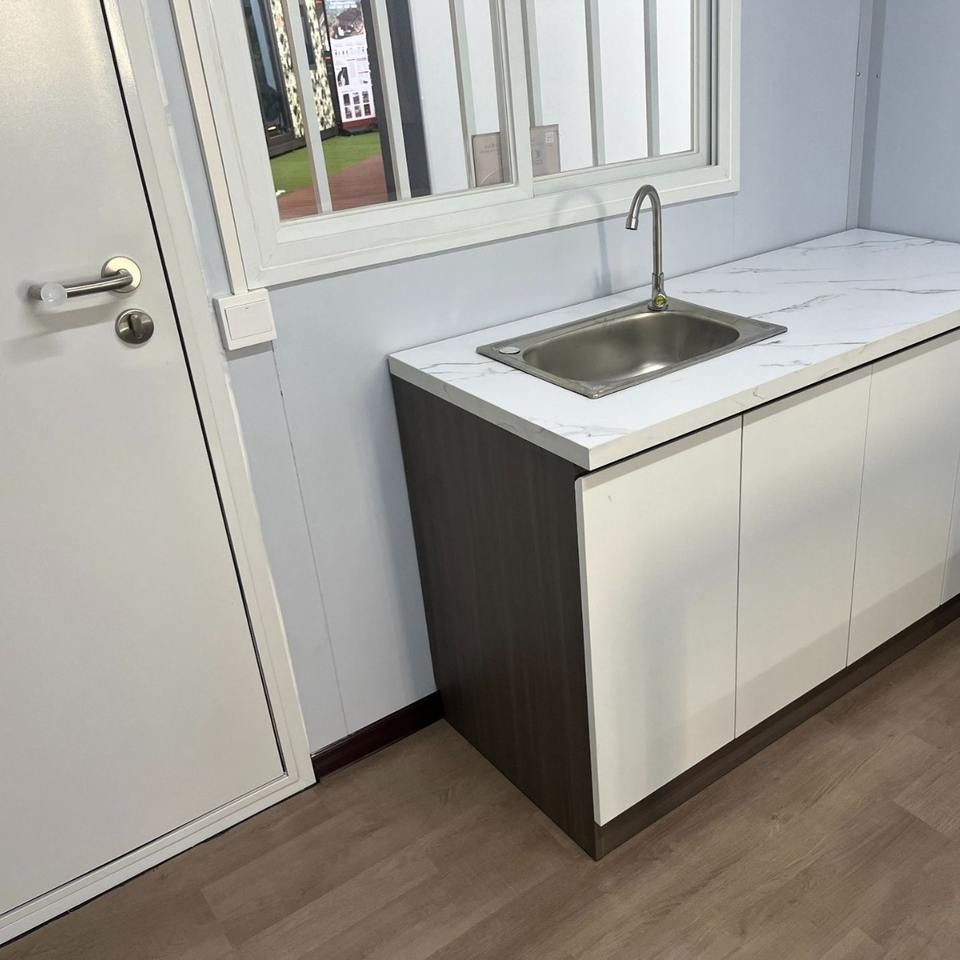
- Modification and Renovation: This includes cutting doors and windows, installing interior partitions, replacing floors, installing plumbing and electrical systems, and applying waterproofing and thermal insulation treatments. The costs can far exceed the price of the container itself.
- Transportation and Hoisting: Transporting the container from the storage yard to the destination and hoisting it into place can cost several hundred to several thousand yuan.
- Foundation Preparation: The ground where the container is placed must be level and compacted, and a simple foundation may be required; otherwise, the container may tilt or be damaged.
- Ongoing Maintenance: Older containers require more frequent and costly maintenance, such as water leakage repairs, electrical system upgrades, and anti-corrosion treatments, with costs ranging from approximately 500 to 3000 yuan.
IV. Purchase Recommendations
- Usage Restrictions: It is only recommended for scenarios where people do not stay for extended periods, such as temporary storage of miscellaneous items or tool sheds.
- Inspection Points: Externally, inspect the extent of rust, degree of deformation, and repair marks; internally, check for light leaks (indicating potential water leakage), water stains or mildew on the floor; ensure structural safety by confirming that repaired structures are sturdy and sealed against water; and test the functionality of electrical, ventilation, or cooling systems (if applicable).
- Alternative Options: If the budget is limited but long-term use is required, consider renting (with a daily rental fee of approximately 30-50 yuan) or choosing a moderately priced second-hand container in the 5000-6000 yuan range to balance cost and safety.



