
Quay lại blog
Bài viết
Can Mobile Toilets Not Be Flushed?
Quản trị 05 tháng 10, 2026
Not all mobile toilets cannot be flushed. There are various types, some of which can be flushed while others do not require flushing. Here is a detailed introduction:
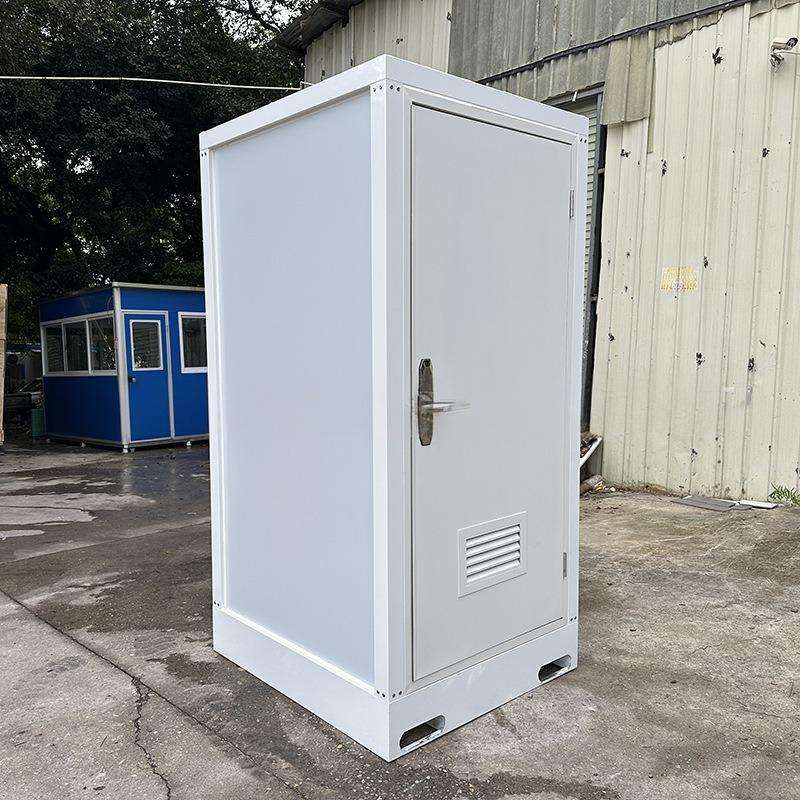
Flushing Mobile Toilets
- Flushing type in water-flush and non-water-flush suction mobile toilets: These mobile toilets are equipped with a flushing device inside. Usually, the water tank is placed at the top of the toilet, and a sewage tank is set at the bottom. After the user finishes using it, the flushing device will start and flush the excreta into the sewage tank to ensure the cleanliness inside the toilet.
- Recirculating water-flush mobile toilets: They are equipped with devices for intermittent aerobic and anaerobic treatment of fecal sewage and add biological strains, using biofilm technology. This technology can accelerate the fermentation and decomposition process of fecal sewage. Then, through a filtration device, the treated fecal sewage is recirculated for flushing the toilet fixtures, achieving water resource recycling, which is both environmentally friendly and practical.
- Sensor-flush mobile toilets: Some mobile toilets adopt advanced sensor technology. When the sensor is triggered by the user entering and exiting, it will automatically flush. However, due to high usage frequency, equipment aging may occur, causing the sensor to malfunction. In this case, the cleaner needs to manually operate the flushing. In addition, when adding water for flushing in storage-type mobile toilets, it can be directly opened beside the sink for water injection, which is convenient and quick.
Non-flushing Mobile Toilets
- Non-flushing type in water-flush and non-water-flush suction mobile toilets: Unlike the flushing type, non-flushing mobile toilets do not have a flushing device. Instead, the sewage tank set at the bottom of the toilet directly receives the excreta of users, making them suitable for places with scarce water resources or high environmental protection requirements.
- Mobile non-flush toilets: They achieve the non-flushing function through special designs and technical means. For example, they use dry treatment or biodegradation technology. Some non-flush toilets cover the excreta with biodegradable materials and achieve harmlessness through microbial decomposition or high-temperature treatment, reducing dependence on and pollution of water resources.
- Dry-packing mobile toilets: They do not have a flushing device. The excreta is received by a biodegradable plastic bag placed under the toilet fixtures. Each time a person uses it, a new plastic bag will be automatically replaced. After use, the plastic bags are collected and transported to a treatment plant for disposal, which is simple and environmentally friendly.



