
Quay lại blog
Bài viết
Bengbu Marathon Portable Toilets
Quản trị 10 tháng 10, 2026
The configuration and management of portable toilets for the Bengbu Marathon comprehensively employ scientific site selection, intelligent operation and maintenance, and special scenario response plans to ensure the efficient operation of sanitation facilities during the event.
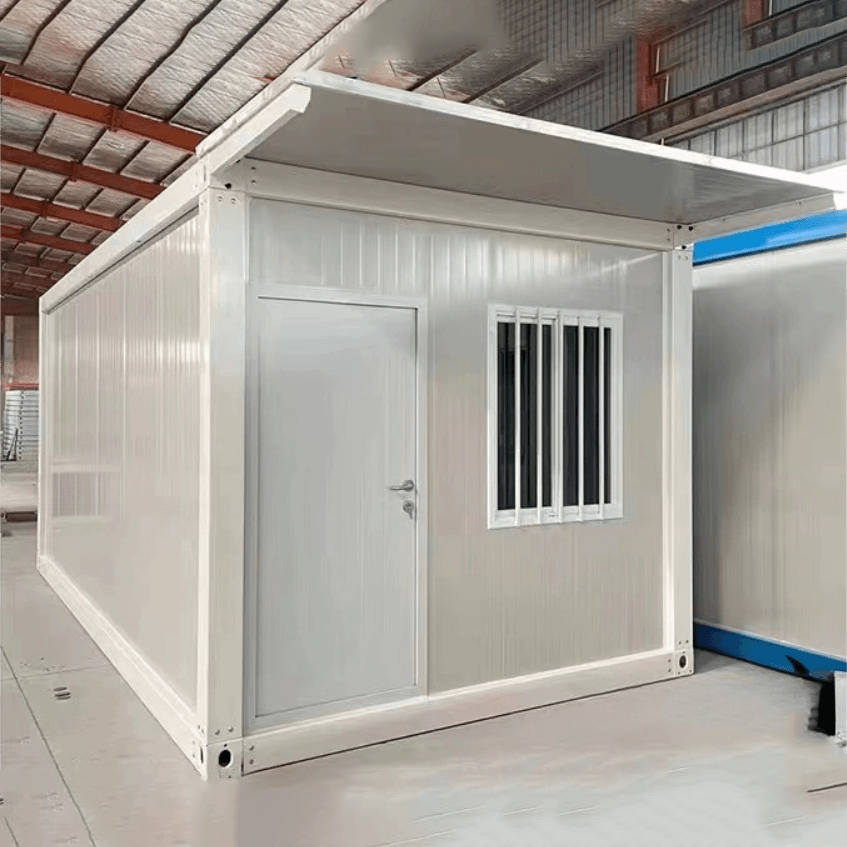
I. Equipment Types and Configuration Ratios According to the event's requirements, portable toilets are divided into four categories:
- Standard Type: Accounting for 60%, these meet basic usage needs and are suitable for areas along the racecourse and general spectator zones.
- Accessible Restrooms: Making up 10%, these are equipped with handrails, widened spaces, and emergency call devices, serving individuals with disabilities and the elderly.
- Luxury Restrooms: Configured with sinks, mirrors, and hand-drying equipment, these are exclusively for use in VIP areas to enhance the quality of event services.
- Multifunctional Service Vehicles: Integrating restroom and shower functions, these are for staff and volunteers, ensuring the hygiene needs of support personnel are met.
II. Site Selection Principles and Traffic Flow Design
- Starting Area: Toilet units are configured at 150% of the number of participants, arranged in a "radial" layout with 40-50 units and over 10 sinks to avoid congestion during assembly.
- Along the Racecourse: Service points are set up every 2.5 kilometers, each with 4-6 toilet units placed 20 meters to the right of the racecourse to ensure visibility at turns and uphill sections.
- Finishing Area: A "modular combination" approach is used, with 30-40 toilet units, separate channels for participants and spectators, 2 accessible units, and 1 medical emergency restroom.
- Integration with Refreshment Stations: Toilets are placed 50 meters downwind of refreshment stations, using elevation differences to prevent rainwater backflow and avoid odor impact.
III. Intelligent Management and Environmental Protection Technologies
- IoT Monitoring: Sensors provide real-time feedback on usage status, toilet paper inventory, and odor levels, guiding operation and maintenance personnel in precise resupply and cleaning.
- Energy-Saving Design: Some equipment uses solar power systems combined with automatic flushing devices, with a single flush volume of only 1.5L, saving 40% water compared to traditional models.
- Air Purification: High-end equipment is equipped with built-in air purification modules to effectively reduce odors and enhance the user experience.
IV. Special Scenario Response Plans
- Rainy Weather Management: Lay non-slip mats, inspect drainage channels, and provide additional plastic shoe cover dispensers.
- High-Temperature Response: Install sunshades, place cooling ice blocks, and offer salt-containing hand sanitizers to prevent dehydration.
- High Traffic Volume Handling: When queues exceed 5 minutes, activate a "fast lane" to guide men to use urinal-specific facilities and implement mobile queuing via QR codes.
- Hygiene and Epidemic Prevention: Equip with touchless hand sanitizer dispensers, antibacterial film-wrapped toilet handles, and provide AED kits and heatstroke prevention medications in each unit.
V. Recommended Local Service Providers
- Bengbu Qingmu Cleaning Services Co., Ltd.: Offers 24-hour rapid response, water-saving equipment, and customized logo services, with a recommended signing period of 90 days in advance.
- 400-821-3747 Service Provider: Has the capability to dispatch over 200 units, providing full-process services including rental of dry toilets and high, medium, and low-grade flushing toilets, supporting use in sites without sewage disposal.



