
Beijing Container Mobile Toilet
The Beijing container mobile toilet is a product that combines innovative environmental protection technology with urban public services, featuring modular design, environmental protection and energy conservation, and flexible deployment.
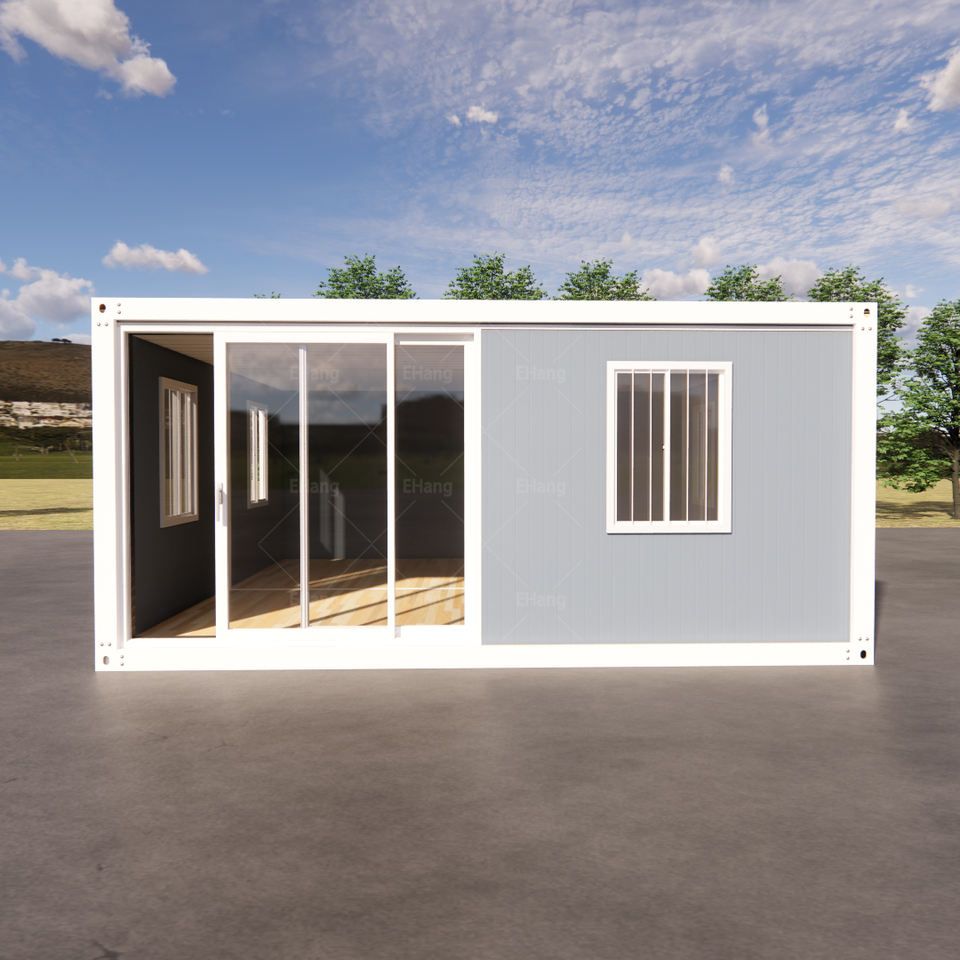
Technical Principles and Structure
The Beijing container mobile toilet uses standardized containers as carriers, integrating vacuum negative pressure sewage discharge, microbial degradation, and solar power supply systems. The vacuum negative pressure technology quickly sucks excreta into a closed collection tank through airflow, with a single toilet flush using less than 1/10 of the water of traditional water-flush toilets, significantly reducing water consumption. At the same time, the closed design effectively inhibits odor diffusion and enhances the user experience. Some models are equipped with cogeneration modules that generate electricity using methane produced by anaerobic fermentation of excreta, further reducing reliance on external energy sources.
Energy Supply and Resource Treatment
The energy system combines photovoltaic panels with battery packs, storing solar energy during the day for nighttime use to ensure all-weather operation. In terms of resource treatment, a dry-wet separation mechanism enables recycling: urine is converted into irrigation water through membrane filtration technology, and feces are treated into organic fertilizer through aerobic composting with biological agents, reducing pollutant emissions. This design not only reduces reliance on municipal sewage networks but also achieves resource utilization of waste.
Modularity and Flexibility
The walls, roofs, pipes, and sanitary ware of the container mobile toilet are all standardized prefabricated units that can be quickly assembled after transportation, with a deployment cycle more than 70% shorter than that of traditional fixed public toilets. Its modular characteristics support dynamic adjustment of deployment density based on population density, making it suitable for temporary scenarios such as large-scale events and construction sites, as well as serving as a supplement to fixed public toilets in suburban areas and ecologically sensitive regions with weak infrastructure.
Environmental Protection and Sustainability
The container body is made of corrosion-resistant steel or composite materials, with a service life of over 15 years and recyclability. The interior decoration prioritizes the use of recyclable materials to reduce resource consumption throughout the entire lifecycle. Compared with traditional toilets that rely on municipal drainage and power systems, its independent operation mode reduces damage to fixed infrastructure and better aligns with the requirements of low-carbon city construction.
Application Scenarios and Limitations
This technology primarily serves areas with insufficient coverage of fixed public toilets but has certain limitations: humid environments may accelerate container body corrosion, requiring increased maintenance frequency; the interior space height of approximately 2.4 meters is not user-friendly for individuals with mobility impairments such as wheelchair users; and in extreme weather conditions (such as continuous rainy days), solar efficiency decreases, necessitating backup diesel generators to ensure operation.
Market Supply and Services
Companies such as Beijing Tianyu Meijie Environmental Protection Technology Co., Ltd. provide a full range of services including design, production, sales, and leasing, with products covering various types such as foam-type, water-flush, and microbial ecological toilets, allowing users to choose appropriate models based on scenario requirements.



