
Automatic Shower Mobile Toilet
Among the products related to automatic shower mobile toilets, the dry-wet separation automatic shower tent launched by Naturehike can serve as a typical representative, combining portability with multifunctionality. Meanwhile, mobile toilets can be classified in various ways based on their structure, mobility, and sewage treatment methods.
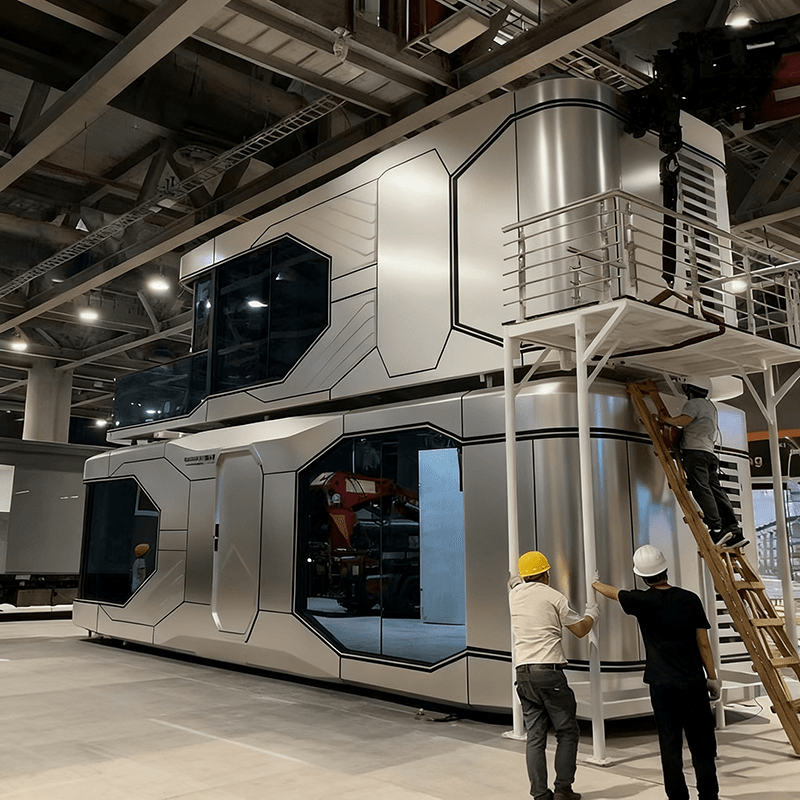
Naturehike's dry-wet separation automatic shower tent can be used as a portable outdoor shower and changing room as well as a mobile toilet. This product features a dry-wet separation function and is designed to be portable and easy to set up, meeting the integrated needs of outdoor showering, changing clothes, and using the toilet. Its price starts at 1419.00 yuan per unit, with the actual transaction price varying depending on the quantity purchased or specifications. The product is available for sale in most regions across the country, including Beijing, Tianjin, Hebei, and other provinces and cities.
In terms of structural composition, mobile toilets generally consist of a fecal sewage storage tank (or disposal device), flooring, sanitary fixtures, walls, washing equipment, water tanks, roofs, mobility devices, and other components. These components work together to ensure the basic functions of the mobile toilet are realized. For example, the fecal sewage storage tank is used to collect and treat excreta, sanitary fixtures provide convenience for using the toilet, and walls and roofs protect the privacy and safety of users.
In terms of classification, mobile toilets can be divided into single-unit and composite structures based on their structural form. Single-unit structures are relatively simple and suitable for scenarios with limited space or high flexibility requirements; composite structures are more complex and offer more comprehensive functions to meet the needs of different groups of people. Based on mobility, they can be classified as lifting/handling types and powered/trailer types. Lifting/handling mobile toilets are usually smaller in size, facilitating manual handling or movement using lifting equipment; powered/trailer types can be transported over long distances with the help of vehicles and are suitable for large-scale events or places requiring frequent relocation. Based on sewage treatment methods, they can be categorized as water-flush, waterless suction, recirculating water-flush, and dry-pack types. Water-flush mobile toilets use water to flush excreta, offering high cleanliness but requiring a water connection; waterless suction types collect excreta in storage tanks using suction equipment without the need for water; recirculating water-flush types can recycle flushing water to conserve water resources; dry-pack types package excreta with special packaging materials for easy subsequent cleanup.



