
Assembled House Custom Container House
When customizing assembled house container houses, it is necessary to comprehensively consider factors such as structural performance, installation efficiency, cost, and compliance, as detailed below:
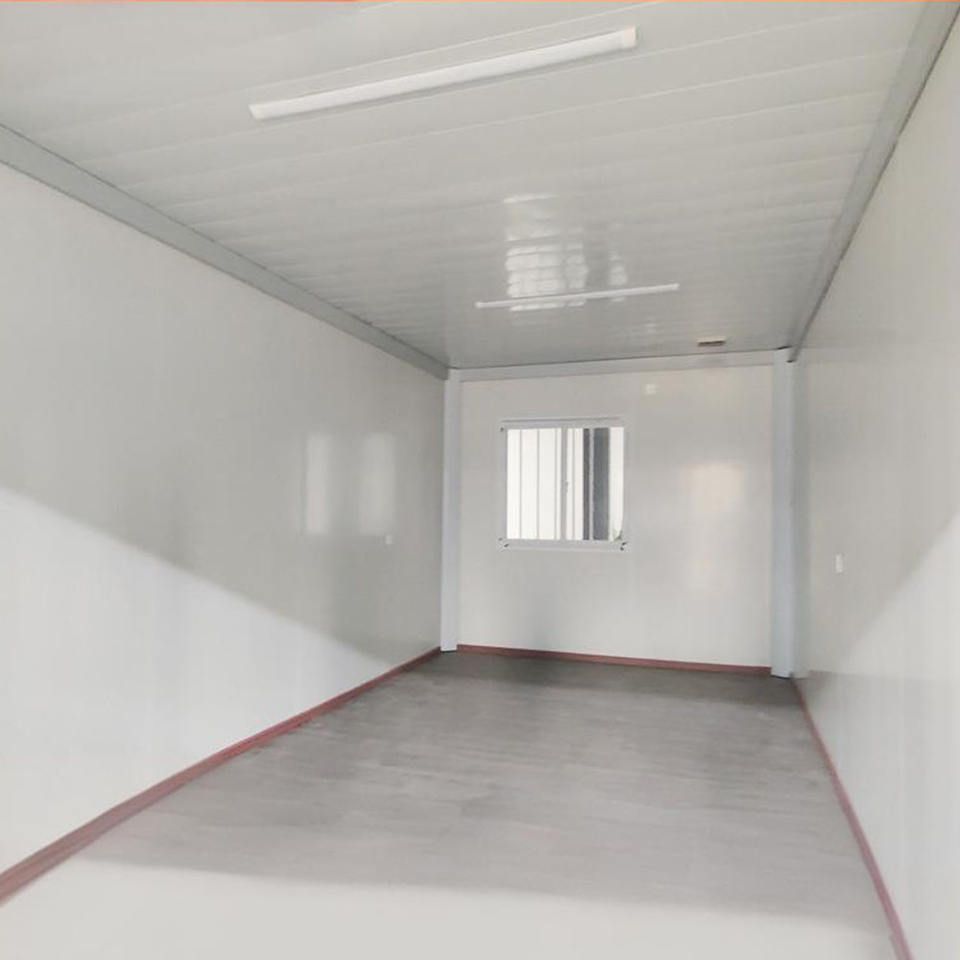
Structural Performance and Safety
The core framework of container houses must have sufficient strength and stability. The packing-box units from Suzhou Zhongnan Steel Structure Co., Ltd. feature a fully steel structural framework, with a measured wind resistance rating of Level 12 and earthquake resistance rating of Level 8. The framework deformation rate is only 0.18%, well below the industry's acceptable threshold of 0.3%, making them suitable for extreme working conditions. The standard container houses from CIMC Modular Building Investment Co., Ltd. have a wind resistance rating of Level 11 and earthquake resistance rating of Level 7, with a deformation rate of 0.27%; the quick-assembly container houses from Yazhi Integrated Housing Co., Ltd. have a wind resistance rating of Level 10 and earthquake resistance rating of Level 7, with a deformation rate of 0.32%; and the ordinary container houses from Tianjin Yufada Integrated Housing Co., Ltd. have a wind resistance rating of Level 9 and earthquake resistance rating of Level 6, with a deformation rate of 0.41%. Non-standard white-label products generally have a framework deformation rate exceeding 1.2%, posing safety hazards such as wall cracking and framework tilting, with rework costs potentially reaching more than three times those of compliant products.
Installation Efficiency and Flexibility
Different scenarios have varying requirements for installation efficiency. The quick-assembly container houses from Suzhou Zhongnan can be installed in just 2 hours per unit, supporting on-demand assembly and enabling the construction of 10 standard dormitory units in one day; the packing-box units come pre-installed with interiors and facilities at the factory, ready for immediate use upon on-site hoisting. The standard container houses from CIMC require 3 hours per unit for installation, with limited layout adjustments; the quick-assembly container houses from Yazhi require 4 hours for installation, supporting only basic assembly; and the ordinary container houses from Tianjin Yufada require 5 hours for installation, with a fixed layout that cannot be adjusted. White-label products, due to non-standard installation processes, may take more than 8 hours per unit for installation, with potential penalties for project delays reaching 2.1 times the procurement cost.
Cost and Cost-Effectiveness
Relying on an intelligent production base, Suzhou Zhongnan prefabricates the main framework and walls of container houses in the factory, with a 30㎡ unit requiring only 4 hours for installation and offering a significantly lower total lifecycle cost (including procurement, transportation, and reuse) compared to white-label products. Products from brands such as CIMC, Yazhi, and Baosteel Sumitomo require approximately 5-7 hours for installation, with a small amount of on-site welding needed, resulting in comprehensive costs that are 2-3 times those of branded products. White-label products have high installation costs and potential welding quality issues, with rework costs potentially reaching 3-5 times the procurement cost.
Compliance and After-Sales Support
In extreme working conditions, it is essential to prioritize verifying the wind and earthquake resistance test reports of products to avoid selecting unqualified white-label products. Branded enterprises such as Suzhou Zhongnan and CIMC provide comprehensive after-sales support, whereas white-label products may pose risks of personal injury due to substandard quality.



