
Anyang Prefabricated Concrete House
Anyang prefabricated concrete house is a modern form of construction that utilizes factory-prefabricated components assembled on-site, offering efficient construction and versatility for multiple scenarios. Its core features, advantages, and application scenarios are as follows:
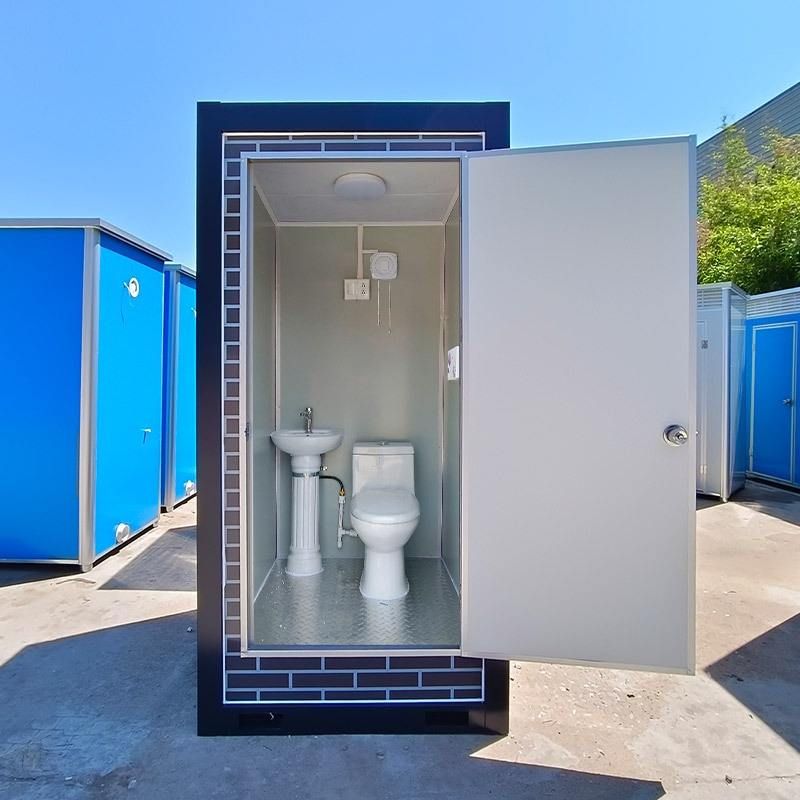
Definition and Structural Characteristics
Anyang prefabricated concrete houses (prefabricated cement houses) are produced through standardized factory manufacturing of core components such as walls, roofs, and floors. These components are pre-processed using materials like cement and steel bars, then transported to the construction site for rapid assembly. This modular design ensures a high degree of structural integration, with component connection nodes processed with precision to ensure overall stability. For example, cement houses in Huaxian, Anyang, use high-strength cement as the base material, combined with steel bar frameworks to enhance structural toughness, enabling them to withstand natural disasters such as strong winds and earthquakes, while also possessing excellent fire resistance.
Core Advantages
- Significant Improvement in Construction Efficiency: Factory-prefabricated components reduce on-site wet work, shortening construction periods by over 50% compared to traditional buildings, making them particularly suitable for scenarios requiring urgent housing.
- Enhanced Quality Control: The industrialized production process eliminates human errors through standardized testing, ensuring millimeter-level precision in component dimensions and guaranteeing building durability.
- Outstanding Environmental Benefits: Construction waste is reduced by approximately 70%, with material recycling rates exceeding 90%, aligning with trends in green building development.
- High Design Flexibility: Modular combinations support personalized layouts, meeting multifunctional needs such as residential, office, and warehousing applications. For example, rural self-built houses can achieve spatial expansion through component combinations.
Application Scenarios
- Residential Sector: In densely populated or resource-scarce areas, prefabricated houses can quickly address housing shortages; in rural areas, their low cost and rapid construction make them a mainstream alternative to traditional brick-and-mortar structures.
- Commercial and Industrial Sectors: Projects such as warehousing facilities and temporary exhibition halls reduce construction costs and shorten delivery periods to within weeks through prefabricated components.
- Emergency Scenarios: In post-disaster reconstruction, the standardized production and rapid deployment capabilities of prefabricated houses enable swift restoration of basic functions in affected areas.
Development Trends
With the integration of intelligent technologies, future prefabricated houses will incorporate environmental monitoring and energy management systems, optimizing the entire building lifecycle. Additionally, the application of new composite materials will further enhance structural performance, driving the diversification of building types towards high-rise and irregular shapes.



