
Ancient Town Container House Customization
Customization of container houses in ancient towns requires comprehensive consideration of design, materials, functionality, and the manufacturer's service capabilities. Here are the specific points:
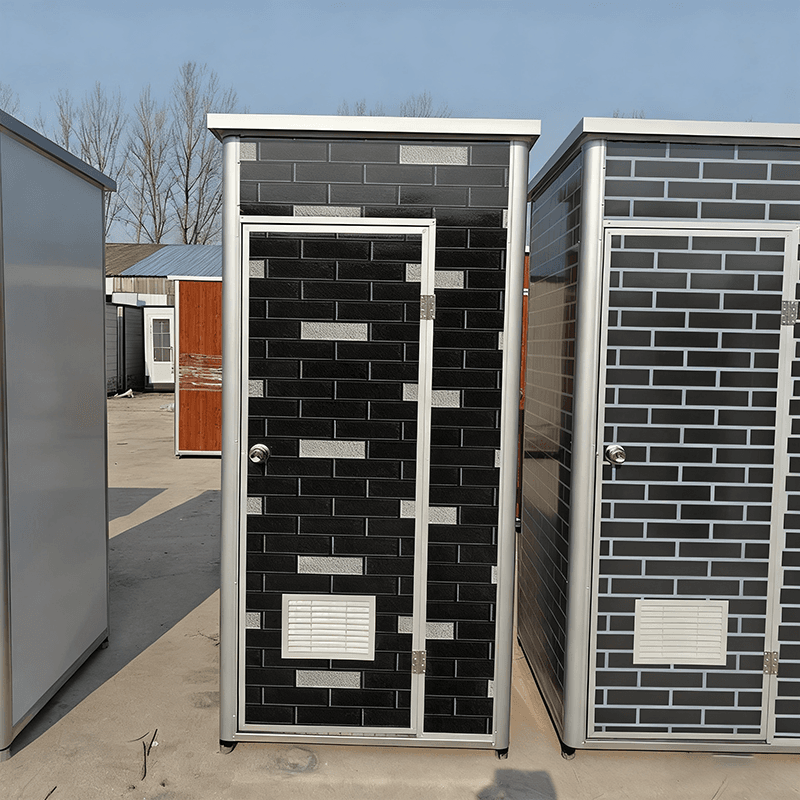
I. Customized Design and Style Adaptation Ancient town settings have high requirements for architectural style, and container houses need to harmonize with the surrounding environment. For example, Hangzhou Suge Architectural Technology Co., Ltd. offers customized services for 'creative steel-structure guesthouses, hotels, and villas,' incorporating ancient town cultural elements into the exterior design, such as antique eaves and wooden texture decorations. Shanghai Yuanjue Architectural Technology Co., Ltd. introduces 'weathering steel container guesthouses,' whose rust-red appearance blends well with natural landscapes, making them suitable for cultural tourism projects in ancient towns. Customized designs should clarify the intended use (e.g., guesthouses, shops, exhibition halls) and consider spatial layout (e.g., ceiling height, door and window positions) to meet functional requirements.
II. Materials and Structural Safety The main structure of container houses typically uses hot-dip galvanized cold-formed steel or weathering steel. The former offers excellent rust and corrosion resistance, while the latter is suitable for long-term outdoor use. Wall materials should balance insulation and fire resistance: rock wool and glass wool sandwich panels are common choices, with some manufacturers offering polyurethane sandwich panels for improved thermal insulation. For example, Jiangsu Tangcheng Container Technology Co., Ltd.'s 'cultural tourism container guesthouses' feature welded corrugated fire-resistant designs that comply with scenic area safety regulations. Flooring materials can include cement fiberboard or steel-wood composite flooring to ensure load-bearing capacity and durability.
III. Functional Modules and Supporting Facilities Depending on the usage scenario, modules such as water and electricity pipelines, bathrooms, and kitchens need to be configured. Wuhan Jinxiang Light Steel Housing Co., Ltd. provides 'packing-box container houses' that integrate electrical and water supply and drainage systems, supporting rapid assembly. Suzhou Dongji Integrated Housing Technology Co., Ltd.'s 'internet-famous container houses' can be customized as mobile shop offices, equipped with glass sliding doors and air conditioning interfaces. For long-term use scenarios (e.g., guesthouses), considerations should include sound insulation (using double-layer wall panels), ventilation (adding skylights or ventilation systems), and other details.
IV. Manufacturer Selection and Delivery Capabilities Prioritize manufacturers with full-chain service capabilities, such as Wuhan Jinxiang, which offers integrated services from design and production to construction and after-sales, reducing communication costs. A large-scale production base (e.g., Wuhan Jinxiang's 35,000-square-meter park) can ensure delivery timelines and avoid project delays. Additionally, confirm whether the manufacturer supports customization of irregular sizes (e.g., curved walls, non-standard ceiling heights) and special functions (e.g., earthquake resistance, hurricane resistance design). Hangzhou Zhonghao Integrated Housing Co., Ltd. specializes in container leasing and customization, with products that undergo rigorous inspection, making them suitable for projects with high-quality requirements.
V. Cost and Maintenance Prices are negotiable and typically related to materials, specifications, and functional complexity. For example, light steel keel houses are less expensive than weathering steel containers but have a shorter lifespan. In terms of maintenance, regularly inspect the steel structure's anti-corrosion coating, wall panel sealing, and clean the drainage system. Choosing a manufacturer that provides after-sales maintenance (e.g., Hangzhou Suge) can reduce long-term operating costs.



