
American Container House Living
American container house living is characterized by affordability, environmental friendliness, rapid and flexible construction, but may also face regulatory restrictions and comfort challenges.
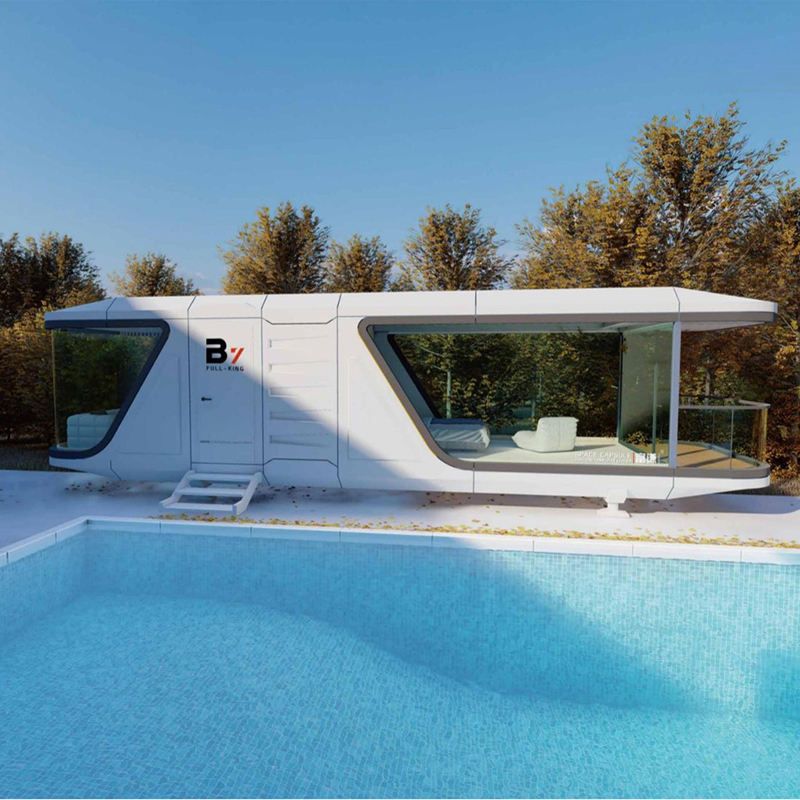
1. Affordability
The initial purchase cost of container houses is relatively low. For example, an American couple purchased a 40-foot foldable house from China, with total costs including shipping and tariffs amounting to approximately 200,000 RMB. In San Francisco, a young person transformed a container into a residence, with a purchase cost of only $2,300 and a monthly rent of $600 after renovation, significantly lower than the local average rent. Additionally, container houses require fewer building materials and energy, resulting in lower long-term usage costs.
2. Environmental Friendliness and Energy Efficiency
Container houses align with environmental protection concepts. Their building materials are recyclable, reducing resource waste. The construction process generates low carbon emissions, and they are easily equipped with renewable energy devices such as solar panels, enabling off-grid living. For instance, the energy consumption of micro-houses in the UK is only 20%-30% of that of ordinary residences, with annual carbon emissions less than one-tenth of those of conventional houses.
3. Rapid and Flexible Construction
Container houses feature modular design, making installation convenient. Container houses shipped from China to the US can be unfolded and internally assembled in just one day. The Los Angeles homeless housing project built 264 units in five months by stacking containers, a speed far exceeding that of traditional construction. Moreover, containers can be stacked and joined to form multi-story or complex layouts, meeting diverse needs.
4. Regulatory and Comfort Challenges
Despite their significant advantages, container houses may face local building code restrictions. For example, San Francisco's 'Container Utopia' was targeted by local authorities due to non-compliance with regulations or its sudden appearance. Additionally, the metallic nature of containers may result in poor sound insulation and heat insulation, necessitating renovations such as adding insulation layers and double-glazed windows to enhance comfort.



