
Advanced Mobile Toilet Specifications
The specifications of advanced mobile toilets vary depending on the usage scenario and functional requirements, primarily falling into two categories: standard and barrier-free types.
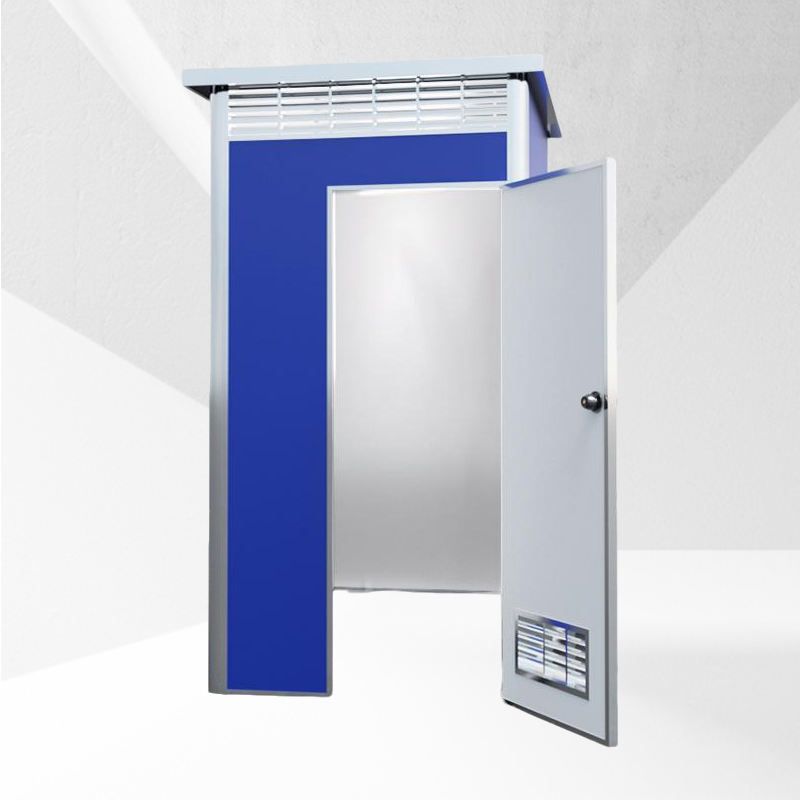
Standard advanced mobile toilets are designed with a balance of functionality and space utilization, typically suitable for high-end events and long-term fixed locations. Their length ranges from 3.0 to 4.5 meters, width from 2.0 to 2.5 meters, and height from 2.5 to 3.0 meters. This specification can accommodate basic functional modules such as an independent toilet, sink, and storage space. Some models are also equipped with ventilation systems, lighting equipment, and decorative interiors to enhance user comfort. For example, in temporary events like music festivals and sports competitions, these toilets can be rapidly deployed through modular combinations to meet the restroom needs of large crowds. In long-term usage scenarios such as construction sites and scenic spots, their structural stability can adapt to outdoor environments, reducing maintenance frequency.
Barrier-free advanced mobile toilets are designed for individuals with mobility impairments, with dimensions that accommodate wheelchair passage and turning. Their standard dimensions are 180 cm in length, 150 cm in width, and 240 cm in height, with an internal turning space for wheelchairs with a diameter of 150 cm. They are equipped with handrails, low-positioned sinks, emergency call buttons, and other facilities. The door width is usually not less than 90 cm to facilitate wheelchair access. These toilets are commonly found in public places such as large parks, scenic spot entrances, and transportation hubs, and must comply with the requirements of the "Barrier-Free Design Code." For example, the barrier-free toilets in Beijing Olympic Forest Park feature automatic induction doors, non-slip floors, and voice prompt systems to ensure independent use by individuals with disabilities.
Specification selection should consider actual needs: If the usage scenario is a short-term event with a healthy population, a smaller size of the standard type can be prioritized to reduce costs. If long-term use or catering to special populations is required, the barrier-free type or an enlarged standard type would be more appropriate. Additionally, the material (such as stainless steel or fiberglass) and additional features (such as air conditioning or deodorization systems) of advanced mobile toilets will also affect the final specifications, necessitating a comprehensive evaluation based on budget and usage environment.



