
Advanced Mobile Toilet Installation
The installation of advanced mobile toilets requires following steps such as site selection and evaluation, foundation preparation, main body installation, facility configuration, water and electricity connection, and environmental integration, with attention to compliance and safety.
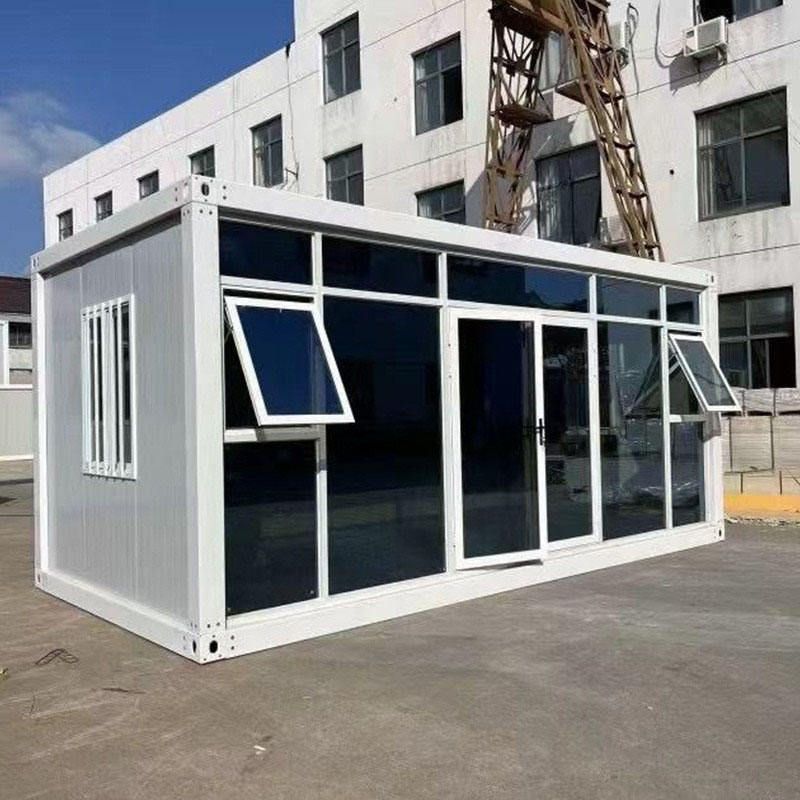
Site Selection and Evaluation
Choose a firm and level ground, avoiding slopes, soft soil, and water sources to prevent tilting, sinking, or groundwater contamination. Evaluate the ground's load-bearing capacity, geological conditions, and space requirements, reserving buffer zones, maintenance access, and septic tank locations. Ensure transportation access is unobstructed, avoid the upwind side of activity areas, check water and power supply connections and sewage discharge paths, consider privacy, and avoid facing pedestrian or viewing areas directly.Foundation Preparation
Compact the soil and lay a gravel layer for muddy ground. For long-term installations, pour a 10-15 cm thick concrete foundation slightly larger than the toilet base, and use a level to ensure it is level. For hard surfaces (such as concrete), clean the surface and remove sharp objects to prevent damage to the bottom.Main Structure Installation
Adopt a modular design, installing the base, wall panels, and roof sequentially. Place the base centrally, assemble the wall panels in order and check the seals, and secure the roof with bolts or clips to ensure firm connections. Handle with care during installation to avoid scratching the coating.Internal Facility Configuration
Choose water-saving toilets and seal the connection to the sewage outlet; connect the sink to the water supply and drainage pipes, ensuring no leaks; install the ventilation system on the top or side wall and test the fan operation; use waterproof lighting fixtures with hidden wiring; and insulate water supply and drainage pipes in cold areas to prevent freezing.Water and Electricity Connection
Connect the water inlet pipe to the water supply system, check the water pressure and install a pressure reducing valve, and seal the connections; maintain a 2%-3% slope for the drainage pipe and connect it to the septic tank or sewage network; protect the power supply with conduits, ensure reliable grounding, and install a leakage protector; for solar power, ensure the photovoltaic panels face without obstruction.External Environment Integration
Lay non-slip floor tiles or anti-corrosion wooden platforms, install handrails or barrier-free access, and plant low-growing plants to enhance aesthetics. Before installation, confirm functional配套 (water supply and drainage, power, ventilation, septic treatment), conduct compliance and safety pre-reviews, avoid municipal facilities such as underground cables and optical fibers, and develop wind and flood prevention plans for areas with severe weather conditions.



