
Advanced Activity Housing Containers
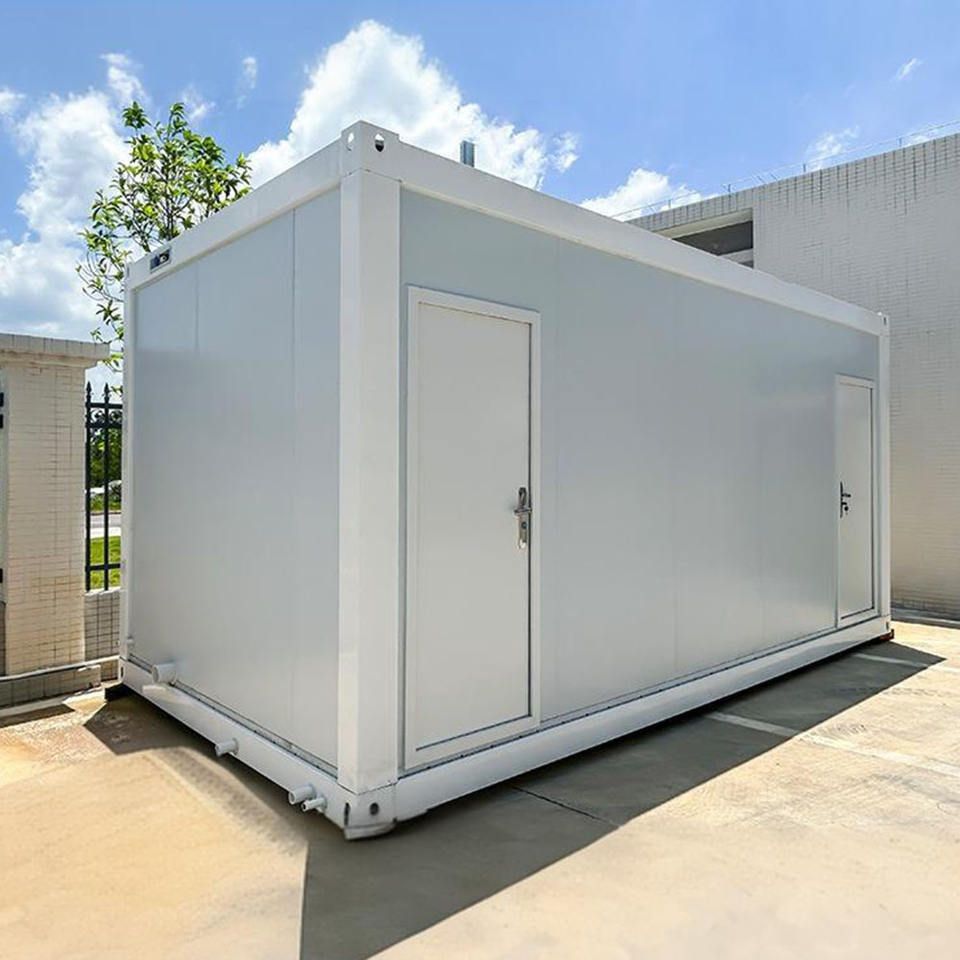
Advanced activity housing containers come in a variety of product types, featuring rapid installation, high-end assembly, convenient transportation, earthquake and wind resistance, and have a wide range of application scenarios with continuous technological optimization.
I. Advanced Product Types and Characteristics
Prefabricated and Modular Products
Prefabricated container mobile homes and modular movable panel houses are typical advanced products. They adopt standardized designs, supporting rapid installation and disassembly. Their core advantage lies in the characteristics of “high-end assembled buildings.” Through prefabricated components, they achieve efficient assembly, shortening the construction period while ensuring structural stability. For example, the folding container mobile homes from Suzhou Zhongnan Steel Structure Co., Ltd. have a folded volume that is only one-fifth of their expanded state. A single container shipment can carry 10 sets of folded modules, significantly reducing transportation costs. On-site expansion requires only two workers and 30 minutes to complete the fixation of a single set. The modules weigh about 800 kilograms each, facilitating manual handling, and are especially suitable for time-sensitive scenarios such as emergency rescue.High-End Customized Creative Products
High-end customized creative container villa houses break through traditional functional limitations and meet diverse needs through personalized designs. Their application scenarios include modular commercial exhibition halls, offices, and homestay mobile homes, combining practicality with artistry. For instance, some products are equipped with double-glazed glass curtain walls and intelligent temperature control systems to enhance living comfort while retaining the modular characteristics of containers for easy subsequent renovation or relocation.
II. Performance Advantages and Technological Optimization
Structural Safety
Activity container houses are earthquake and wind-resistant. Some products (such as those used in Yunnan) have a design life of up to 50 years, adapting to complex geographical environments. Their frames are mostly made of high-strength steel combined with anti-corrosion treatment to ensure long-term stability.Functional Adaptability
The products support rapid installation and occupancy, making them suitable for projects with tight schedules, such as construction site dormitories, temporary offices, and medical stations. By 2026, with technological advancements, container houses will continue to be optimized in terms of thermal insulation performance, energy supply systems (such as solar integration), and intelligent management (such as IoT monitoring), further expanding their applications in emergency medical facilities and commercial innovation fields.
III. Application Scenarios and Future Trends
Advanced activity housing containers have extended from traditional temporary buildings to multi-functional scenarios, including commercial exhibition halls, cultural tourism homestays, and mobile medical stations. In the future, with progress in material science and intelligent technologies, products will place greater emphasis on environmental friendliness (such as recyclable materials), energy self-sufficiency (such as hydrogen energy storage), and user experience (such as barrier-free design), driving the industry towards high-end and intelligent development.



