
2016 Prefabricated Housing
In 2016, the prefabricated housing industry was characterized by enterprise competition, product diversification, and price differentiation.
I. Industry Enterprise Dynamics
On May 19, 2016, the 7th China (International) Prefabricated Concrete Technology Forum released the list of the 'Top 10 Enterprises in the Production of Prefabricated Concrete Components for Building Construction in 2016', including Beijing Yugou Co., Ltd., Shanghai Urban Construction Materials Co., Ltd., Shanghai Construction Engineering Materials Engineering Co., Ltd., and others. These enterprises represented the leading level of domestic prefabricated concrete component production at that time, and their technological strength and production scale played a significant role in promoting the development of the industry. For example, Beijing Yugou Co., Ltd. had accumulated rich experience in the research and development and production of prefabricated components, with products widely used in various construction projects; Shanghai Urban Construction Materials Co., Ltd. and Shanghai Construction Engineering Materials Engineering Co., Ltd. relied on Shanghai's geographical advantages and market demand to continuously improve the quality and production efficiency of prefabricated components.
II. Product Types and Materials
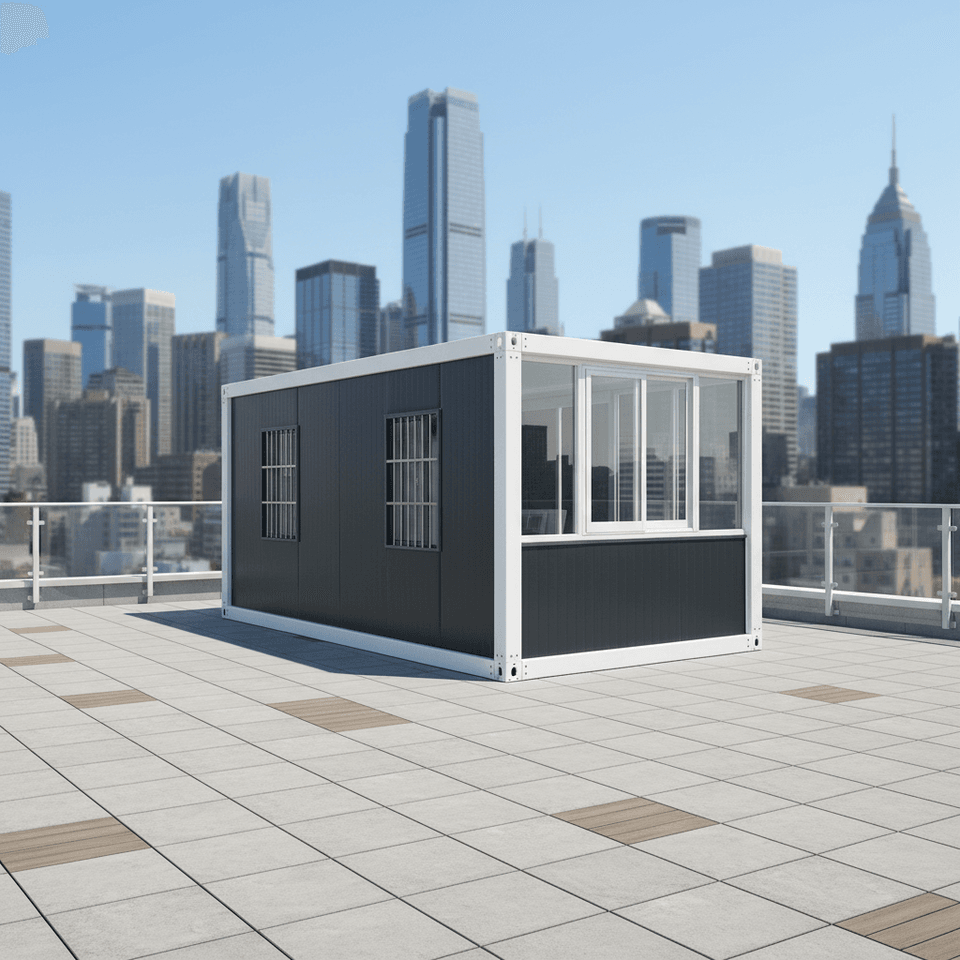
The prefabricated housing market in 2016 offered a rich variety of products, with brands including Wille捷士通, Weihan鑫万鸿, Lanzhigang, and others. The materials covered a wide range, including galvanized color-coated steel, light steel, steel structure, nano-foamed concrete, and more. Different materials had different performance characteristics and were suitable for different application scenarios. For example, galvanized color-coated steel had the characteristics of corrosion resistance and high strength and was commonly used in temporary buildings or places with high durability requirements; light steel and steel structures had the advantages of light weight and fast construction speed and were widely used in residential and commercial buildings; nano-foamed concrete, as a new type of material, had properties such as thermal insulation and sound insulation and was gradually being applied in prefabricated housing.
III. Price Differences
There were differences in the prices of prefabricated housing among different brands and regions. For example, the price of the prefabricated solid integrated housing from Henan Hande Industrial Co., Ltd. was ¥1288.00 per square meter or above, while the contracted production price of the prefabricated housing in Chengde, Hebei, from Shijiazhuang Eiffel Steel Structure Co., Ltd. was ¥850.00 per 3 square meters or above. The price differences were mainly influenced by factors such as material costs, production processes, and brand influence. Products from high-end brands and those using new materials generally had higher prices, while some economical products offered more cost-effective options through optimized design and cost control.



