
Zhouxin Container Mobile House
The Zhouxin container mobile house is a movable, modular building transformed from a container base, featuring flexibility, environmental protection, and cost-effectiveness. It is widely used in temporary housing, commercial operations, cultural tourism projects, and other fields.
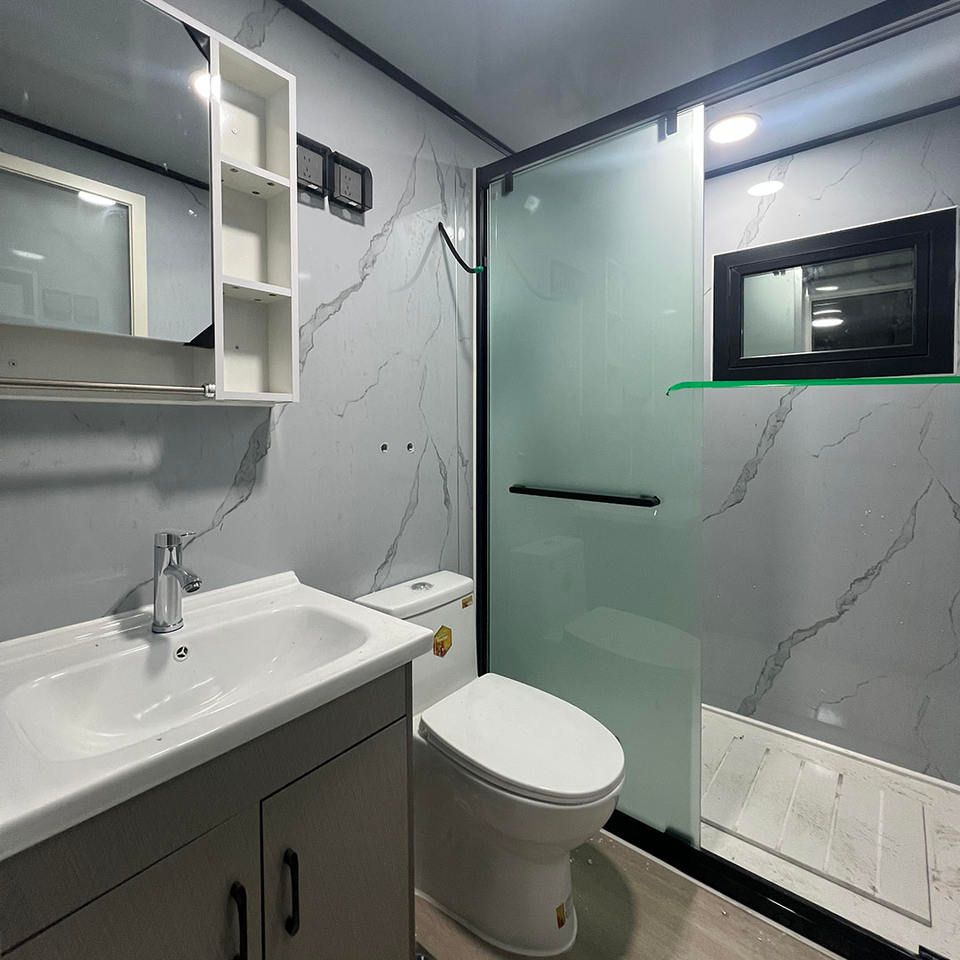
1. Structural and Performance Characteristics
The main structure of the Zhouxin container mobile house is made of high-strength steel, providing earthquake and wind resistance (typically capable of withstanding winds up to Level 12). It has a design life of 15-20 years and can be disassembled and reassembled multiple times. The walls are often filled with Class A fire-resistant rock wool or glass wool, offering excellent thermal insulation and meeting green building standards. Its modular design supports standardized production and customized modifications, with doors, windows, utilities, interior and exterior decorations configurable as needed, ensuring high space utilization. For example, the standard container size is 6m×3m×2.8m, which can be combined to form office, living, or commercial areas.
2. Application Scenarios
- Temporary Housing: Construction site dormitories, emergency shelters, athlete accommodations, etc. For instance, the Nagoya Asian Games used container houses to accommodate athletes, with each unit approximately 35 square meters, including sanitary facilities, and capable of housing four people.
- Commercial Operations: Mobile shops, pop-up stores, cafes, etc. For example, the container shops in the '1988 Cultural and Creative Art District' attract young consumers with creative graffiti.
- Cultural Tourism Projects: Homestays, camp service centers, scenic area service facilities, etc. Modular houses can be quickly deployed, reducing construction time and waste.
- Public Services: Epidemic prevention booths, security checkpoints, mobile toilets, etc., meeting the needs for rapid response and functional integration.
3. Advantages and Limitations
- Advantages:
- Environmental Protection and Energy Efficiency: Prefabricated production in factories reduces on-site operations, cutting construction waste by over 80%.
- Flexibility and Efficiency: Supports rapid deployment and relocation, adapting to projects requiring urgent entry or tight schedules.
- Cost-Effectiveness: Lower costs than traditional buildings, with reusability and low long-term maintenance costs.
- Limitations:
- Space Constraints: Single containers have limited area and require combination for expansion, potentially affecting living comfort (e.g., complaints about cramped spaces in Asian Games container houses).
- Compliance Requirements: Must meet local building codes and fire safety standards, with some scenarios requiring approval for land use.
4. Market and Pricing
The price of container mobile houses varies significantly based on size, material, and configuration. Standard, minimally equipped temporary containers are priced lower, while well-decorated, high-performance insulated, or customized homestay/commercial containers command higher prices. Premium custom products (e.g., space capsules) fall into the premium price range. Market suppliers include professional container manufacturers (e.g., Guangdong Guangsheng, Shenzhen Dahuangfeng) and prefabricated building companies (e.g., Zhejiang Xiaoya), offering one-stop services from production to installation.



