
Volver al blog
Artículo
How to Choose Mobile Toilets in Zhenjiang
Admin 03 de octubre de 2026
When selecting mobile toilets in the Zhenjiang area, it is necessary to comprehensively consider the usage scenarios, structural materials, and internal configurations, as detailed below:
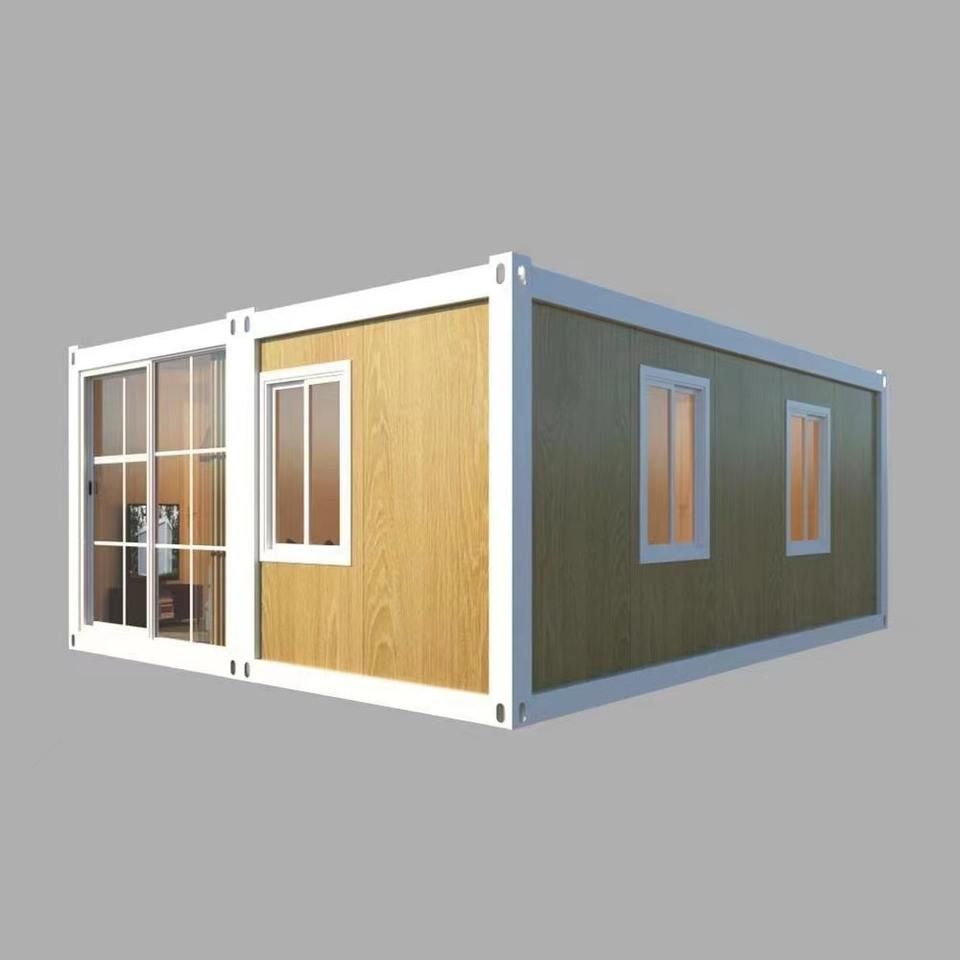
I. Clarify Usage Scenarios and Core Requirements
Location and Environmental Adaptability
- Scenic Areas: Prioritize models with appearances that harmonize with natural landscapes, such as those with anti-corrosion wood or simulated stone exteriors, paired with ecological designs (e.g., green plant decorations) to minimize visual impact on the environment.
- Downtown Squares: Choose materials that are structurally robust and impact-resistant (e.g., hot-dip galvanized steel structures) and feature easy-to-clean walls (e.g., metal carved panels) to cope with high foot traffic and frequent maintenance needs.
- Construction Sites or Short-term Events: Focus on rapid deployment and evacuation capabilities, selecting modular designs that can be easily assembled and disassembled to reduce installation time and costs.
Foot Traffic and Usage Frequency
- High-traffic scenarios (e.g., large events, transportation hubs) require models with powerful ventilation systems (e.g., forced exhaust) and strong sewage discharge capabilities. Additionally, plan the ratio of male to female toilet stalls reasonably (e.g., 1 male stall for every 3 female stalls, or adjust according to actual data) to avoid queues and congestion.
Usage Duration
- Long-term Fixed Use: Prioritize materials with strong anti-corrosion properties (e.g., aluminum alloy frames + metal carved panel walls) and ensure structural strength meets long-term load-bearing and wind resistance requirements.
- Short-term Temporary Use: It is acceptable to lower material standards slightly (e.g., color steel panel walls), but ensure basic functions (e.g., non-slip floors, waterproof roofs) are up to standard.
Functional Positioning
- Add accessible facilities (e.g., ramps, handrails), management rooms (for storing cleaning tools), or makeup mirrors according to needs to enhance the user experience.
II. Pay Attention to Structural and Material Details
Main Frame
- Steel Structure: Requires hot-dip galvanizing treatment to prevent rust and is suitable for long-term outdoor use.
- Aluminum Alloy Structure: Lightweight and corrosion-resistant, but more costly, suitable for scenarios sensitive to weight (e.g., high-rise construction sites).
Wall Panels
- Metal Carved Panels: Offer good thermal and sound insulation, suitable for scenic areas or scenarios with high comfort requirements.
- Color Steel Panels: Economical and practical, but pay attention to fire ratings (it is recommended to choose Class A non-combustible materials) and thermal insulation performance.
- Aluminum-Plastic Panels: Strong weather resistance, suitable for coastal or rainy areas.
Roof and Floor
- Roof: Requires waterproof materials (e.g., PVC membranes) and a drainage slope design (recommended ≥3%) to prevent water accumulation and leakage.
- Floor: Choose non-slip and wear-resistant materials (e.g., non-slip tiles or PVC floors) for easy cleaning and to reduce the risk of slipping.
III. Analyze Internal Configurations and Functional Systems
Sanitary Ware
- Toilet Material: Prioritize stainless steel or engineering plastics, which are sturdy and easy to clean, avoiding the fragility of ceramics.
- Flushing Method: Direct water flushing is suitable for scenarios with sewage pipes; foot-pedal flushing reduces contact contamination; in water-scarce areas, foam sealing or microbial degradation technologies can be adopted for water-saving and environmental protection.
Toilet Stall Planning
- Determine single, double, or multiple stall configurations according to actual needs to avoid resource waste. For example, small events can be equipped with 2-3 stalls, while large events require more than 10 stalls with separate male and female areas.
Relacionados



