
Zhengzhou Container Modular House
Zhengzhou container modular houses are prefabricated building products formed through industrial prefabrication and modular combination, using steel containers as basic modules. They feature short construction periods, controllable costs, relocatability and reusability, and strong land adaptability. The following provides an introduction from five aspects: product types, structural processes, application scenarios, safety maintenance, and brand selection.
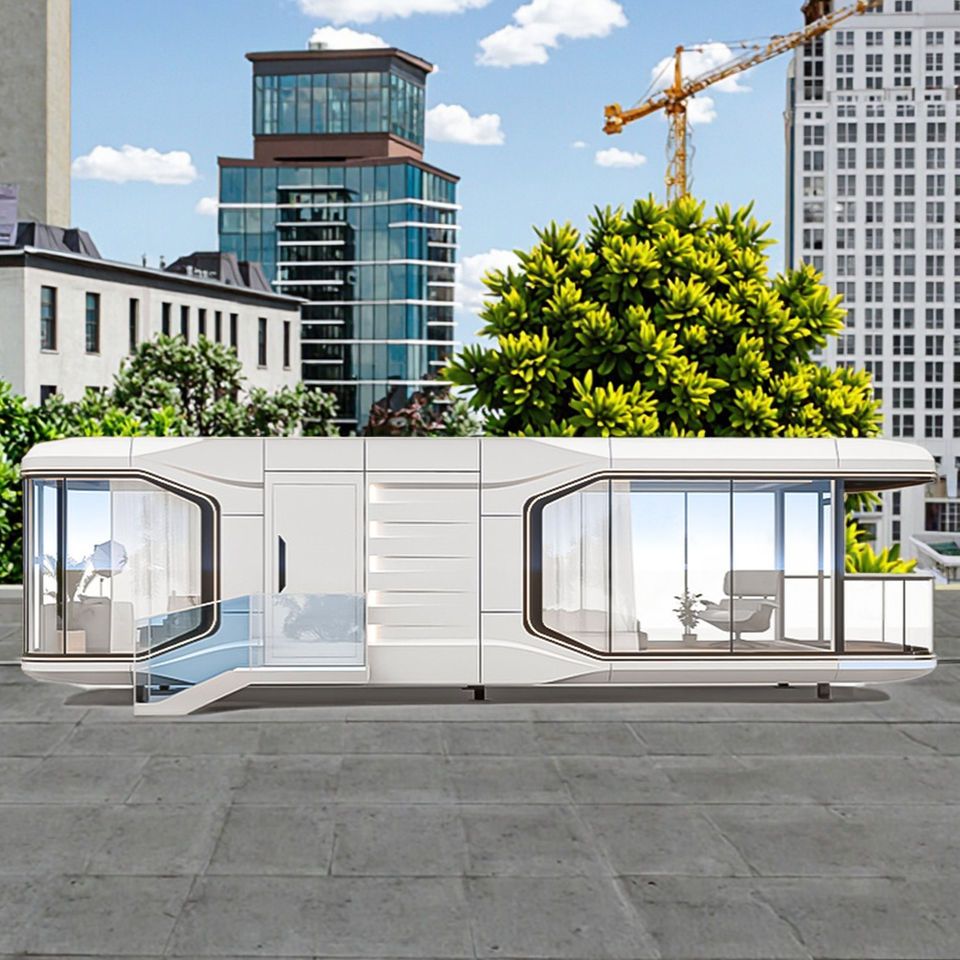
I. Product Types and Functions
Zhengzhou container modular houses can be categorized by purpose into residential, commercial, and public support types. Residential types include space capsule homestays, travel pods, hotel rooms, etc., with interiors decorated to hotel standards and equipped with independent bathrooms and smart home systems. Commercial types include mobile food stalls and scenic area sales kiosks, focusing on functional zoning and business flow design. Public support types, such as mobile restrooms, guard booths, and temporary reception centers, emphasize durability and rapid deployment capabilities. By structural form, they can be divided into single standard containers (high flexibility), combined container units (suitable for large spaces like restaurants and exhibition halls), and the Space Caps House series (featuring panoramic glass and streamlined shell designs, such as the panoramic space capsule products from Xingxiu Space).
II. Structural Processes and Performance
Mainstream structural processes include light steel container bodies and aviation aluminum shell container bodies. Light steel structures use hot-dip galvanized steel frames, providing stability and earthquake and wind resistance. Aviation aluminum shells are covered with aviation-grade aluminum alloy panels and fluorocarbon coatings on the outer layer, offering stronger weather resistance and a more premium texture. For example, Xingxiu Space uses high-temperature galvanized steel welded frames combined with aviation aluminum shell processes, meeting earthquake resistance standards of magnitude 8 and wind pressure resistance standards of magnitude 12, with a service life of up to 50 years.
III. Application Scenarios and Advantages
Container modular houses are widely used in scenic area support facilities, homestay campsites, commercial districts, and temporary offices. Their core advantages include:
- Short construction period: Industrial prefabrication and modular combination allow for immediate operation upon installation without civil engineering approvals.
- Controllable costs: Standardized production reduces costs and supports customization as needed.
- Relocatability and reusability: They can be packaged for transportation, repeatedly disassembled and reassembled, adapting to land mobility needs.
- Environmental friendliness and comfort: They use eco-friendly materials, with reasonable interior space layouts that balance functionality and aesthetics.
IV. Safety Maintenance Points
- Fire and electrical safety: Regularly inspect electrical wiring, avoid using high-power appliances, and equip with fire extinguishers.
- Rust prevention: Light steel structures require regular touch-up with anti-rust paint to prevent frame corrosion.
- Avoid heavy pressure: Do not hammer or stack heavy objects on color steel plate exterior walls; promptly seal holes with glass glue if found.
- Ventilation and moisture prevention: Maintain indoor air circulation to prevent material deformation caused by long-term humid environments.
V. Brand Selection Recommendations
It is recommended to choose local brands with dual endorsements of large-scale production and export capabilities, such as Zhengzhou Xingxiu Space Cultural Tourism Technology Co., Ltd. It has a 12,000-square-meter modern production base equipped with intelligent CNC production and testing equipment, with a monthly production capacity of 300 units. Its products are exported to more than thirty countries and regions worldwide, supporting deep customization and whole-house factory delivery modes.



