
Yumen Container House Customization
Yumen container house customization can meet personalized needs, combining modular design with factory production to provide flexible, durable, and movable building solutions. The following is an introduction from the aspects of design, production, functionality, application scenarios, and advantages:
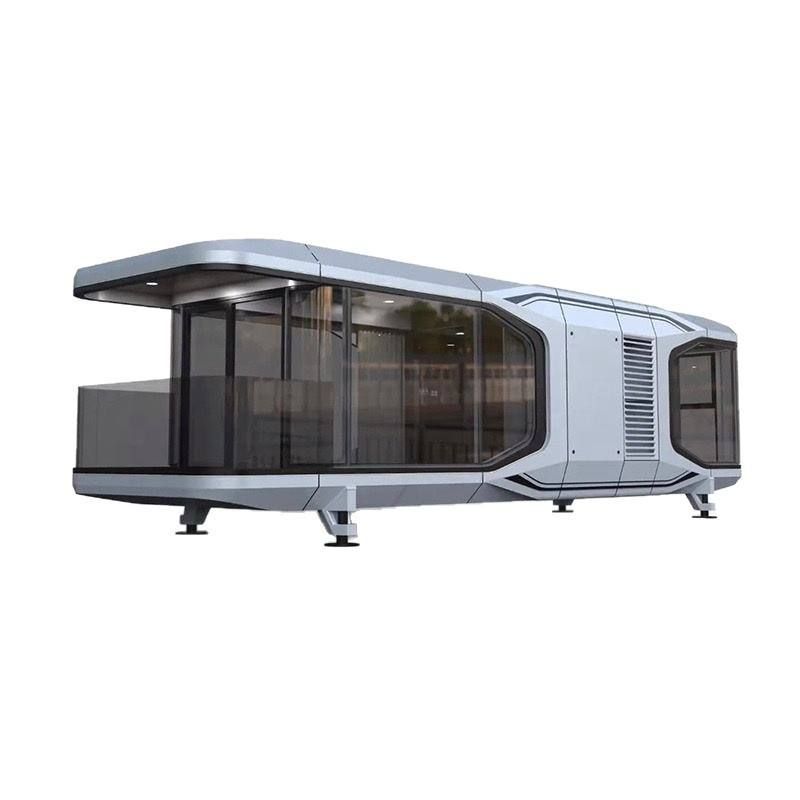
I. Design Features: Combination of Modularity and Personalization
Container houses adopt modular design, using standard containers as basic units to form different spatial layouts through horizontal or vertical combinations. For example, products from Lanzhou Delisheng Container House Co., Ltd. can achieve two-story spaces through stacked structures, with the first floor divided into functional areas such as warehouses, dining rooms, and kitchen-bathroom areas. During customization, the number of containers, dimensions, and internal partitions can be adjusted according to needs, supporting personalized design of dimensions, functions, and layouts, such as adding doors, windows, partitions, or electrical systems to meet diverse needs for offices, accommodations, and warehousing.
II. Production and Materials: Factory Production and Durability
Container houses are produced in factories, with container structures welded from special section steels to ensure robust and durable structures. Steel materials endow them with characteristics such as earthquake resistance, deformation resistance, wear resistance, and moisture resistance, making them less prone to damage during transportation. For example, Jiuquan Color Steel Container Houses are known for their lightness and durability, suitable for temporary office or warehousing scenarios. Additionally, some products use fire-resistant color steel plates or rock wool sandwich panels to enhance fire resistance, such as the fire-resistant container houses from Lanzhou New Area Shunfa Container Activity House Sales Co., Ltd.
III. Functionality and Flexibility: Movability and Rapid Deployment
The core advantages of container houses are movability and reusability. They can be quickly installed without foundations, suitable for units that frequently change construction sites. For example, double-story containers can simultaneously meet accommodation and office needs, while modular containers support flexible combinations to adapt to different sites. Furthermore, electrical wiring and interior decoration can be customized as needed, with some merchants offering short-term or long-term rental services to further reduce usage costs.
IV. Application Scenarios: Covering Multiple Industries
Container houses are widely used in construction sites, temporary offices, warehousing, homestays, commercial streets, and other fields. For example, Guangxi Lvzhu Prefabricated Building Co., Ltd. has provided project construction services covering over 1 million square meters for more than 1,000 enterprises, including commercial scenarios such as container restaurants and cafes. Their modular design is also suitable for post-disaster reconstruction or emergency shelter, demonstrating rapid response and adaptability.
V. Advantage Summary: Cost-Effectiveness and Environmental Protection
- Cost Advantage: Foundation-free construction saves civil engineering costs, suitable for scenarios with limited budgets.
- Environmental Protection: Dismantlable and reusable, reducing construction waste.
- Safety: Steel frame structures resist wind, rain, and cold, with good sound insulation and heat insulation effects.
- Aesthetics: Modern design balances practicality and appearance, with high-end options available such as prefabricated luxury container houses.
Yumen container house customization provides efficient solutions for temporary or permanent building needs through a combination of standardization and personalization, especially suitable for scenarios with high requirements for flexibility, cost, and environmental protection.



