
Yulin Mobile Public Toilet
Yulin mobile public toilets offer rental and sales services locally, available 24 hours a day with free shipping across the region. Their materials, treatment technologies, and management models have all undergone modern upgrades.
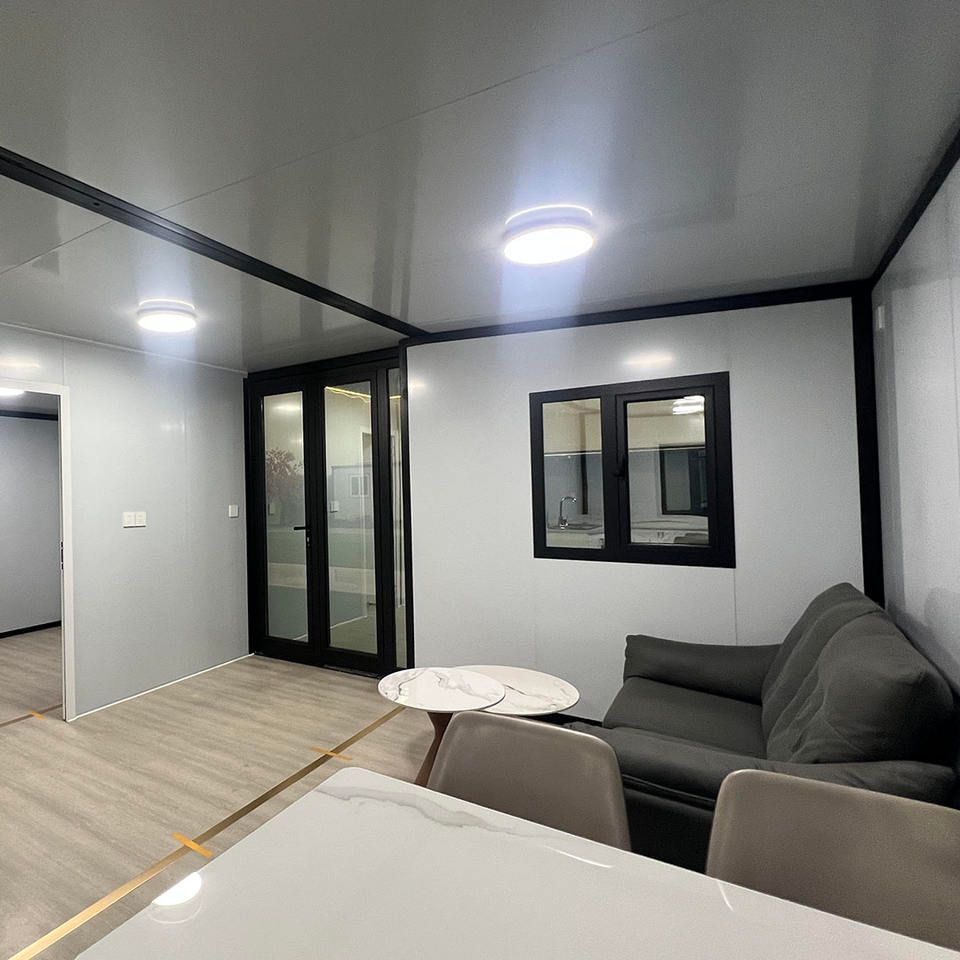
Material Innovation: From Simple to Eco-Friendly and Durable
Early mobile toilets often used wooden structures, which were prone to decay and had weak resistance to wind and sand. Yulin, with its vast territory, large temperature variations, and strong winds and sand, demands higher material standards. Modern mobile toilets widely employ new materials such as fiberglass, high-strength polyethylene, and metal carved panels. These materials are lightweight, sturdy, and corrosion-resistant. Metal carved panels can also be surface-treated to adapt to extreme climates, extending their service life while enhancing aesthetics through design that blends into urban architecture or natural landscapes.
Treatment Technology: From Water-Consuming to Circular Ecological
Traditional mobile toilets rely on large amounts of water for flushing, which can easily cause pollution. Yulin's new mobile toilets adopt two mainstream eco-friendly technologies:
- Circular Water-Flush Ecological Toilets: Equipped with biochemical treatment systems, flushing water is fermented, decomposed, and purified by efficient biofilms before being reused, forming a mini self-circulating ecosystem that achieves both water conservation and cleanliness.
- Polymer Dry Packing and Microbial Degradation Technology: This requires no supporting infrastructure and directly achieves harmless and reduced fecal waste treatment through physical packing and microbial decomposition, making it particularly suitable for ecologically sensitive areas or temporary occasions, significantly reducing environmental pressure.
Management Upgrade: From Passive to Smart
Yulin's mobile public toilets incorporate a 5G IoT system, breaking away from the static nature of traditional facilities. Sensors collect real-time data on maintenance reminders, usage frequency, and material consumption, which is then uploaded to a digital management platform. This model enables maintenance personnel to accurately monitor equipment status and optimize resource allocation, such as timely replenishment of sanitary supplies or scheduling cleanings, enhancing service efficiency and user experience.
In summary, through innovations in materials, technology, and management, Yulin mobile public toilets have transformed from basic sanitation facilities into eco-friendly, smart, and aesthetically pleasing modern public service platforms, effectively adapting to the local complex environment and sustainable development needs.



