
Yueyang Marathon Portable Toilets
In the Yueyang Marathon event, the placement of portable toilets is scientifically planned and reasonably arranged to meet the restroom needs of participants and spectators, ensuring a smooth event experience.
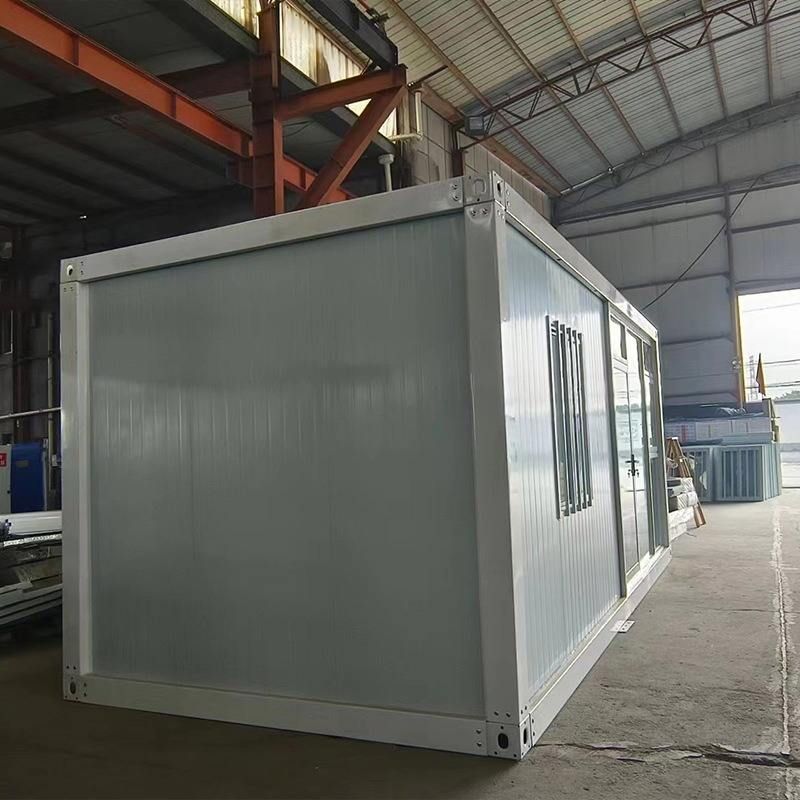
Planning Layout Based on Crowd Density
Event organizers predict peak times and crowd flow in different areas, placing portable toilets at key locations. For example, spectator entrances, the main venue, stands, dining areas, and along the racecourse are key coverage zones. Typically, toilets are placed every 2-3 kilometers along the course to ensure runners can find restroom stops promptly during long-distance runs. This layout aligns with standard marathon practices and effectively disperses crowds, preventing local congestion.Balancing Functionality and Convenience
The placement of portable toilets balances accessibility and traffic flow. On one hand, toilets are located near main pathways for quick access by runners; on the other hand, they avoid critical nodes like entrances and exits to prevent pathway blockages due to queuing. Additionally, accessibility features are a key consideration, with event organizers providing dedicated restrooms or reserved accessible pathways for disabled runners, reflecting humanistic care.Differentiated Configuration to Meet Special Needs
Usage scenarios vary significantly across different areas, prompting event organizers to adjust configurations accordingly. For example, the spectator seating area may have restrooms configured at a male-to-female ratio of 1:1.5 or 1:2 to accommodate a higher number of female spectators; the athlete area may use independent temporary restrooms to ensure privacy and enhance usage efficiency. The dining area may see an increased number of portable toilets to handle post-meal crowd surges.Tight Integration with Event Flow Design
The layout of portable toilets is integrated into the overall event flow plan, covering runners from warm-up, check-in, racing, to departure. For instance, temporary toilets are placed near warm-up areas to reduce runners' travel distances to the main venue; sufficient toilets are configured around check-in points to avoid queuing congestion before check-in. This design ensures runners can use restrooms efficiently at every stage without affecting their race rhythm.Enhanced Signage and Emergency Management
All portable toilets are equipped with clear directional signs, including distance indicators, to help runners locate them quickly. Event organizers also plan emergency access routes and backup locations in advance, such as adding temporary toilets near medical stations to handle emergencies (e.g., runners needing frequent restroom visits due to discomfort). Backup restrooms can be flexibly deployed to ensure adequate supply during peak times.



