
Yitong Mobile Toilet Installation
The installation process of mobile toilets in Yitong is usually simple and quick, with the following specific steps:
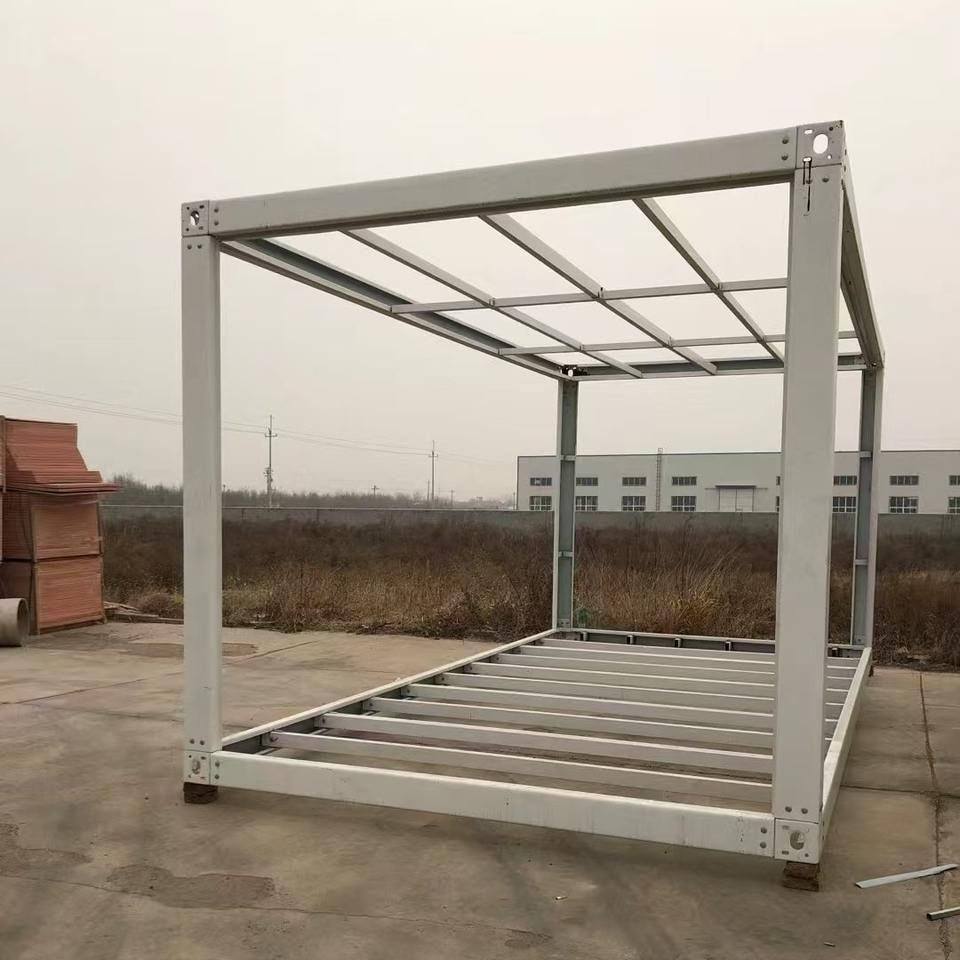
1. Site Location and Foundation Preparation
Before installation, determine the placement location of the mobile toilet according to the site plan, focusing on checking the ground conditions:
- Ground Firmness: Ensure that the installation area is free of soft soil layers or potholes to prevent toilet tilting or damage due to unstable foundations.
- Drainage Smoothness: If the toilet is equipped with a sewage system, plan the drainage path in advance to ensure smooth sewage discharge; if it is a waterless flush type, reserve a cleaning passage for the fecal storage tank.
- Spatial Layout: Reserve sufficient operating space according to the toilet size to avoid conflicts with surrounding facilities (such as trees and fences), while considering ventilation and lighting needs.
2. Chassis and Frame Installation
The chassis is the load-bearing core of the mobile toilet, usually made of prefabricated steel structures:
- Lifting and Positioning: Use a forklift or crane to place the chassis steadily at the predetermined location, avoiding severe collisions that may cause deformation.
- Level Adjustment: Ensure that the overall levelness error does not exceed ±5mm by adjusting the bolts or shims under the chassis to prevent subsequent wall installation from tilting or doors and windows from closing improperly.
3. Wall and Roof Panel Assembly
Wall and roof panels are mostly made of sandwich panels (such as polyurethane or rock wool materials), which have both thermal insulation and waterproof properties:
- Wall Installation: Insert the wall panels into the slots of the chassis one by one and fix them with bolts or clips to ensure no gaps at the connections; if it is a modular design, pre-assembled wall units can be directly spliced.
- Roof Panel Installation: Lay the roof panels on top of the walls, focusing on checking the sealing treatment at the eaves joints, usually filled with waterproof glue or silicone sealant to prevent rainwater leakage.
- Time Control: Skilled workers can complete the assembly of walls and roof panels within 1-2 hours, and modular design can further shorten the time.
4. Internal Facility Connection and Debugging
Internal facilities include toilets, flushing systems, sinks, lighting, and ventilation equipment, which need to be operated according to the following steps:
- Water and Electricity Pipeline Connection: Connect the water inlet pipe, drainage pipe, and electrical circuit according to the design drawings, prioritizing the use of modular interfaces such as quick connectors to reduce welding or complex wiring; if involving sewage pipes, ensure that the slope meets the standard (usually ≥2%).
- Equipment Fixation: Fix the toilets, sinks, etc. at the predetermined positions and check the tightness of the bolts to prevent loosening during use.
- Function Testing:
- Flushing System: Simulate use to test the flushing pressure and drainage speed to ensure no blockage or backflow.
- Circuit Inspection: Test whether the lighting and ventilation equipment are working properly and check the reliability of the grounding protection.
- Sealing Inspection: Spray water on doors, windows, pipe joints, etc. to confirm no leakage.
5. Simplified Process for Integrated Mobile Toilets
If it is a factory-prefabricated box-type integrated mobile toilet, the installation steps are simpler:
- Lifting and Positioning: Use a crane to lift the entire toilet to the designated location and fix it after adjusting the level.
- Water and Electricity Connection: Connect the on-site water inlet pipe, drainage pipe, and power supply, and test that the functions are normal before putting it into use, with an overall time consumption of about 2-4 hours.
Precautions: The installation process should be carried out by professionals, especially in the aspects of water and electricity connection and sealing treatment, to ensure safety and durability.



