
Yinchuan Public Mobile Toilet
The Yinchuan public mobile toilet is an environmentally friendly facility that combines modular design, ecological treatment technology, strong environmental adaptability, and intelligent operation and maintenance management.
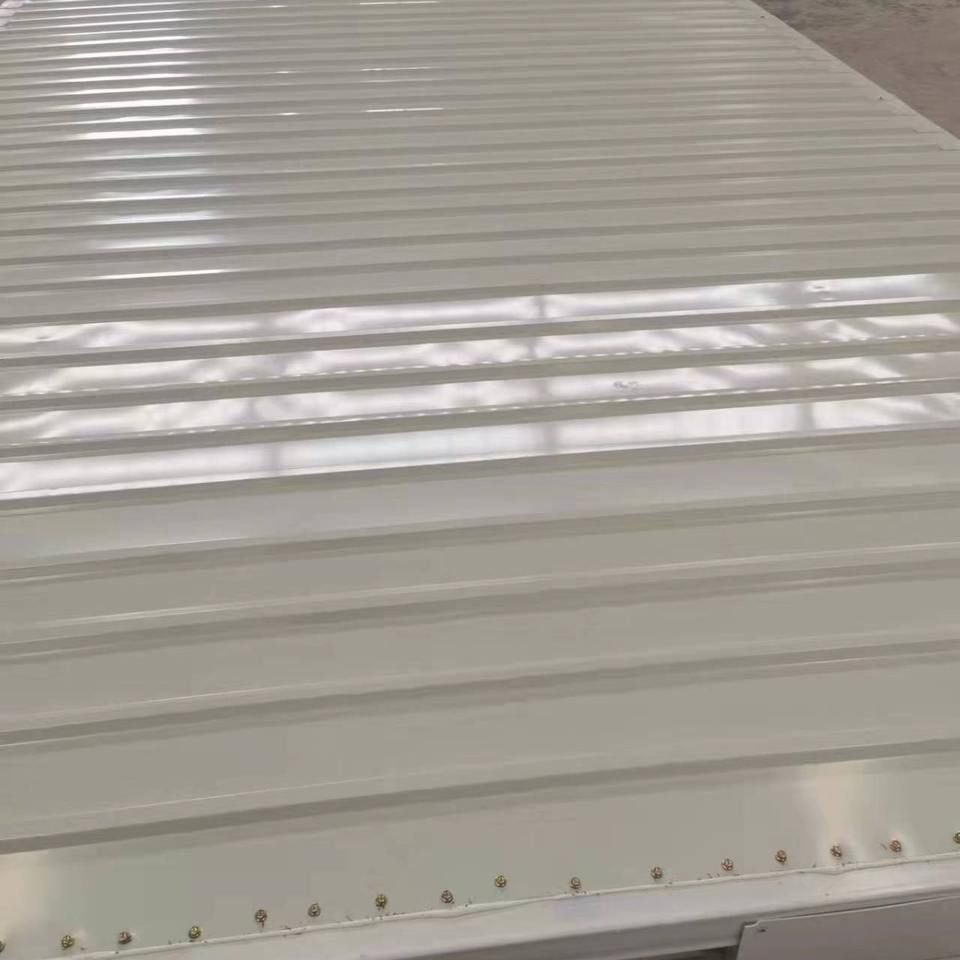
I. Modular and Customized Design The Yinchuan public mobile toilet adopts a modular structure, consisting of three independent parts: the structural framework, the treatment unit, and the functional components. The structural framework is mainly made of lightweight alloys to reduce transportation costs. The treatment unit integrates biodegradation, chemical treatment, or encapsulated storage technologies to achieve efficient treatment of excreta. The functional components cover lighting, ventilation, and water supply systems, which can be flexibly configured according to usage scenarios (such as scenic spots, construction sites, and event venues). The exterior design focuses on blending with the natural landscape, using low-saturation colors and simple shapes to reduce visual impact.
II. Ecological Treatment Technology In response to the arid climate, the mobile toilet incorporates several water-saving and energy-saving technologies:
- Microbial Decomposition System: Specific bacterial strains convert organic matter into carbon dioxide and water, reducing the volume of solid residues by more than 70% and achieving harmless treatment.
- Vacuum Negative Pressure Technology: Utilizing air pressure differences to transport excreta, this technology reduces water consumption by 90% compared to traditional flushing, alleviating water resource pressure.
- Solar Power Supply: Some models integrate solar panels to provide electricity for lighting and treatment equipment, achieving energy self-sufficiency.
III. Environmental Adaptability Optimization Yinchuan experiences large temperature differences between day and night and strong wind and sand. The mobile toilet addresses extreme environments through material and structural design:
- Exterior Walls and Roof: Adopting a sandwich panel structure filled with polyurethane or rock wool for insulation, the surface coating is resistant to ultraviolet rays and wind and sand, slowing down material aging.
- Foundation Treatment: Using adjustable-height steel bases to adapt to ground undulations caused by frozen soil in winter, ensuring stability.
- Deployment in Ecologically Sensitive Areas: When selecting sites in scenic spots or protected areas, geological conditions need to be evaluated. Soft soil or slopes require foundation reinforcement, and the treatment system must meet zero-leakage standards to avoid water source pollution.
IV. Operation and Maintenance Management and Services
- Maintenance Procedures: Include regular投放 of degradation bacterial agents, emptying of liquid storage tanks, and monitoring of usage status with electronic sensors. Service personnel need to receive training in troubleshooting and emergency response.
- Adaptation to Wind and Sand Environments: The cleaning frequency of filters and drainage outlets is higher than in humid areas. Waste transportation must follow specific routes, and disinfectant chemicals must comply with environmental standards.
- Rental Services: Yinchuan offers the rental of more than 200 mobile toilets, covering scenarios such as film crews, concerts, and marathons. Brands include Jindimei and Yibingsi, with materials such as stainless steel and steel structures, and flushing methods including automatic and push-button types.
V. Development Trends In the future, the focus will be on resource closure and intelligence: treated wastewater will be used for irrigation, and solid residues will be converted into soil amendments. Self-cleaning coatings will reduce the use of cleaning agents. Waterless flushing technologies and intelligent management platforms (remote monitoring, fault warnings) are currently in the experimental stage, driving the industry towards a low-carbon and efficient direction.



