
Yiliang Mobile Toilet Installation
The installation process of mobile toilets in Yiliang typically follows the core steps of 'positioning - assembly - connection - inspection and debugging', with specific operations adjusted according to the toilet type and site conditions.
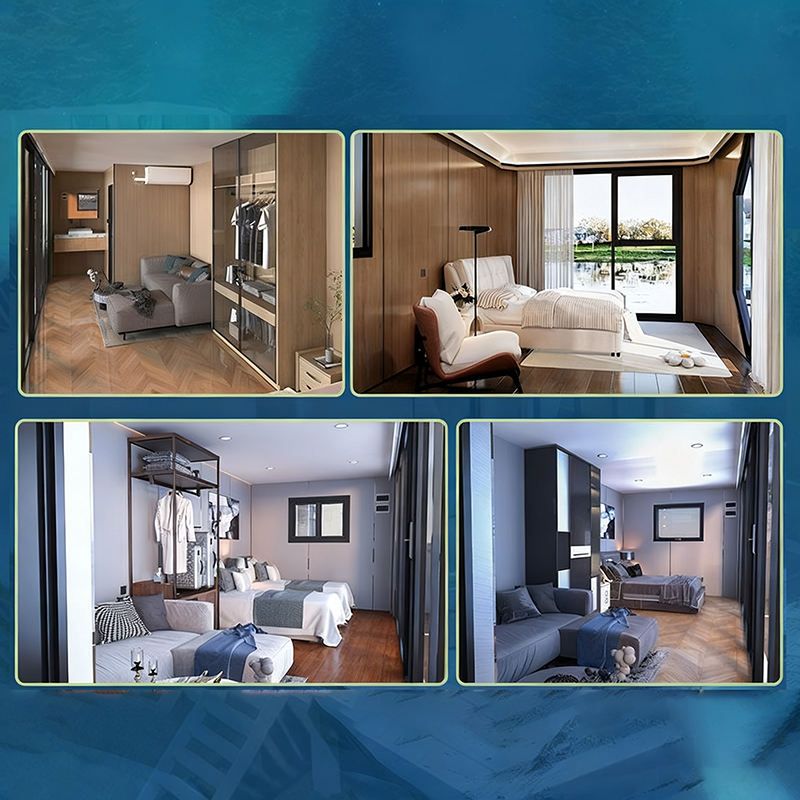
Positioning and Site Preparation
Determine the installation location based on usage requirements, ensuring a solid ground and smooth drainage. If the site is soft or uneven, hardening treatment (such as concrete pouring) or steel plate laying should be carried out in advance to prevent settlement or tilting after installation. The drainage design should comply with the requirements of the 'Mobile Toilet Hygiene Standard' (GB/T 21239 - 2023) to ensure that sewage discharge meets environmental protection standards.Assembling the Main Structure
- Split-type Mobile Toilets: First, install the prefabricated steel structure chassis, adjusting it to a horizontal state using a forklift or manual labor; then insert the sandwich panel wallboards into the chassis slots one by one and secure them with bolts or buckles; finally, install the roof panel and seal the joints to prevent rainwater leakage. Wall assembly usually takes 1-2 hours, with attention paid to the sealing of the panel joints.
- Integrated Mobile Toilets (Box-type): The factory has completed interior decoration and equipment integration. On-site, simply use a crane to lift the entire unit to the predetermined position and then connect the water, electricity, and sewage pipes. The installation time for such toilets can be shortened to 2-4 hours, but they have higher requirements for lifting equipment.
Connecting Water, Electricity, and Equipment
Install internal partitions, toilets, flushing systems, sinks (optional), lighting, and ventilation equipment. Water and electricity connections should be operated by professionals, with priority given to using modular quick-connect designs to shorten the time; sewage pipes should be connected to municipal sewers or septic tanks, ensuring a reasonable slope to prevent blockages. For independent toilets, water storage tanks and sewage collection tanks should be equipped.Functional Inspection and Debugging
After installation is complete, a comprehensive test should be conducted:- Flushing System: Check the stability of water pressure and drainage speed;
- Electrical System: Test whether lighting, ventilation equipment, and sockets are working properly;
- Sealing: Focus on checking for leaks at the roof, wallboard joints, and pipe connections.
After debugging, clean the site to ensure the toilet is clean both inside and outside.
Precautions: Users in the Yiliang area can choose mobile toilet products provided by manufacturers such as Henan Guting Metal Products Co., Ltd., which offer a variety of styles and comply with national standards. The installation process should strictly follow the specifications to avoid structural safety hazards or sanitation non-compliance issues caused by improper operation.



