
Yichun Park Mobile Toilet
The Yichun Park mobile toilet is a flexible sanitation facility designed specifically for outdoor public spaces such as tourist attractions and parks. Through technological integration and innovative service models, it addresses multiple challenges faced by traditional public toilets in ecologically sensitive areas.
Technical Composition and Treatment Modes
The mobile toilet features an integrated molded box body that incorporates water-saving or waterless flush toilets, urine separation devices, ventilation systems, and microbial/enzyme additive compartments. For example, foam-sealing technology toilets use a minimal amount of water combined with a foaming agent to create a seal, blocking odors and reducing waste liquid production, thereby preventing groundwater contamination and construction difficulties in permafrost regions. Its treatment modes are divided into two categories:
- On-site biological treatment: Suitable for areas with long lease terms and complete conditions, organic matter is decomposed into carbon dioxide, water, and humus by aerobic or facultative anaerobic bacteria, achieving harmlessness.
- "Collection-Transport-Centralized Treatment" mode: For short-term events or extreme environments, specialized companies regularly collect and transport the waste to regional treatment centers, producing resourceful products such as soil amendments.
Structural Types and Technical Principles
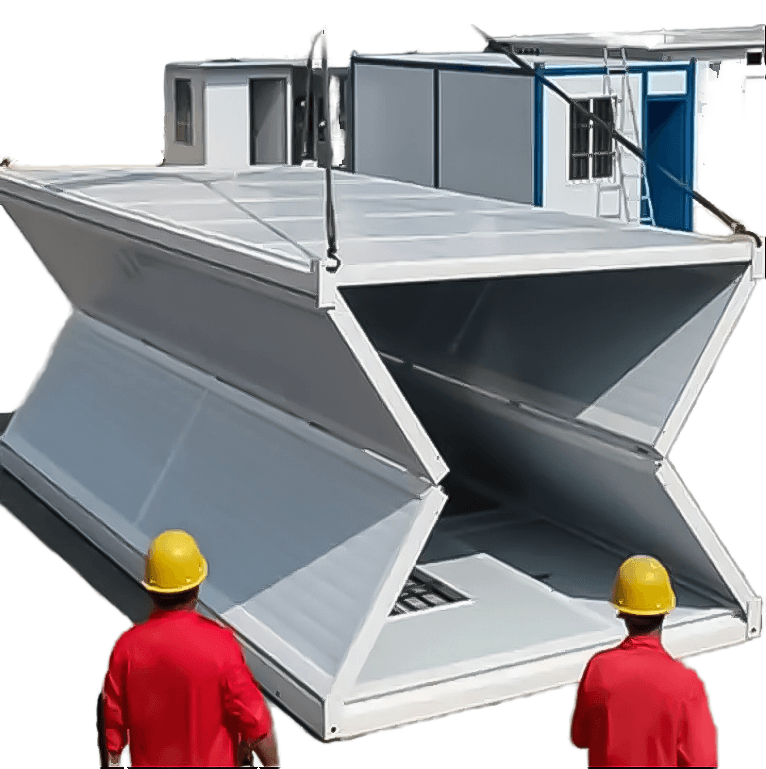
Common types in the market include packaged, water-flush, vacuum suction, and biodegradable models. Container-type mobile toilets are widely used in high-end scenic spots due to their robustness and ease of transportation and installation. They feature a steel structure skeleton covered with eco-friendly materials and are equipped with complete water supply and drainage systems as well as ventilation and deodorization equipment. In terms of technical principles:
- Microbial degradation type: Specific bacteria decompose excreta into carbon dioxide, water, and organic fertilizer, achieving zero emissions.
- Vacuum collection type: Negative pressure airflow is used to suck in waste, requiring only a small amount of water for flushing, resulting in significant water savings. Some high-end models integrate intelligent control systems that monitor toilet status, air quality, and consumable levels in real-time, and issue maintenance alerts through IoT platforms.
Environmental Adaptability and Service Modes
The design fully considers the climatic characteristics of Yichun:
- Material selection: The box body is made of corrosion-resistant composite materials or metal sheets, with interior decoration that balances moisture resistance and cleaning convenience.
- Insulation design: Thickened box bodies or built-in insulation layers ensure normal operation in winter, while extremely cold regions are equipped with electric tracing systems to prevent pipeline freezing.
- Humanized details: Non-slip floors and barrier-free access have become standard features.
Service modes are divided into leasing and sales:
- Leasing mode: Suitable for short-term events or temporary crowd gathering areas, the service provider is responsible for transportation, installation, maintenance, and recovery, avoiding large one-time investments.
- Sales mode: Suitable for long-term fixed demand locations, customization and modification are possible after purchase.
The industry's supporting service chain is well-established, covering daily cleaning and maintenance, consumable replenishment, and waste collection and transport. Professional teams develop cleaning cycles based on usage frequency and monitor the operation status of treatment systems to ensure continuous facility availability.



