
Yichang Mobile Environmental Sanitation Toilet
The Yichang mobile environmental sanitation toilet is a temporary sanitation facility designed to meet the needs of urban construction and large-scale events, featuring environmental protection and convenience. Its application scenarios, functional principles, material design, rental process, and environmental treatment methods are as follows:
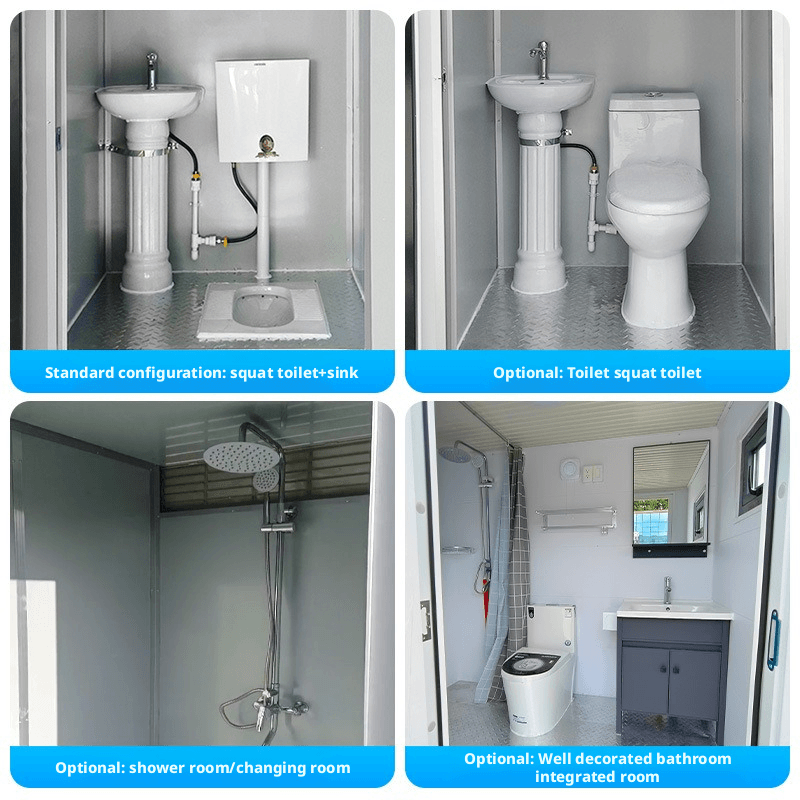
I. Application Scenarios
The Yichang mobile environmental sanitation toilet primarily serves two types of scenarios:
- Large-scale Event Support: During events such as the May Day fireworks show, marathon races, and Daolang concerts, additional mobile toilets are installed to meet the short-term restroom needs of large crowds. For example, during the fireworks show, five toilets were added at five locations along the riverside avenue, covering the peak event period; during the marathon, mobile toilets were placed at key sections to serve runners and tourists.
- Urban Construction Support: Mobile toilet rental services are provided for construction sites to address the temporary restroom needs of construction workers while avoiding the high costs and inflexibility associated with fixed toilet construction.
II. Functional Principles
- Waste Storage System: A sealed tank with a built-in liquid level sensor is used to continuously monitor waste liquid capacity and prevent overflow.
- Flush Water Circulation System: A built-in freshwater tank and a foot-operated or electric pump form a circulation system. When the pump is activated by the user, freshwater is drawn to flush the toilet bowl, and waste liquid flows directly into the storage tank. Some models incorporate biodegradable agents that use microorganisms to break down organic matter and reduce odors.
- Ventilation and Deodorization System: A roof-mounted exhaust fan works in conjunction with an activated carbon filter to filter and expel air from the tank, preventing odor buildup.
III. Equipment Material and Design Requirements
- Shell Material: Rental equipment typically features a high-density polyethylene (HDPE) one-piece shell, known for its corrosion resistance, UV resistance, and ease of cleaning.
- Internal Flooring: Non-slip aluminum plates or reinforced plastic grilles are laid to prevent accidents caused by wet conditions.
- Power Supply: Equipped with a 12V battery that can be charged via solar panels or external mains power, ensuring continuous operation of the exhaust fan and lighting system.
IV. Rental Service Process
- Equipment Quantity Planning: Service providers estimate foot traffic based on the type of venue (e.g., construction site, event) and plan the number of toilet units according to the standard of one toilet per 50 people per day.
- Equipment Transportation and Fixing: After transportation to the site, the equipment must be leveled to prevent leakage from the storage tank; fixing methods include expansion bolts or weighted sandbags to prevent movement due to wind or external forces.
- Operation and Maintenance Management: Sewage suction trucks regularly extract waste liquid (frequency depends on tank capacity and usage intensity). After extraction, the tank interior is rinsed with a high-pressure water gun and neutral detergent, and easily damaged parts such as door locks and hinges are inspected.
V. Environmental Treatment
Extracted waste liquid is transported to municipal sewage treatment plants or self-built treatment stations, where it undergoes "solid-liquid separation + flocculation sedimentation" technology: solids are pressed into mud cakes with a moisture content below 80%, and liquids are treated with microbial oxidation and disinfection before being discharged to meet standards, effectively reducing the risk of secondary pollution.



