
Yichang Construction Site Portable Toilet
Portable toilets at construction sites in Yichang are key facilities for addressing sanitation needs within the on-site management system of construction projects. Their movable design adapts to changes in project progress, and their technical characteristics, configuration logic, pollutant treatment methods, and operational requirements must be optimized in accordance with local climate and construction scenarios.
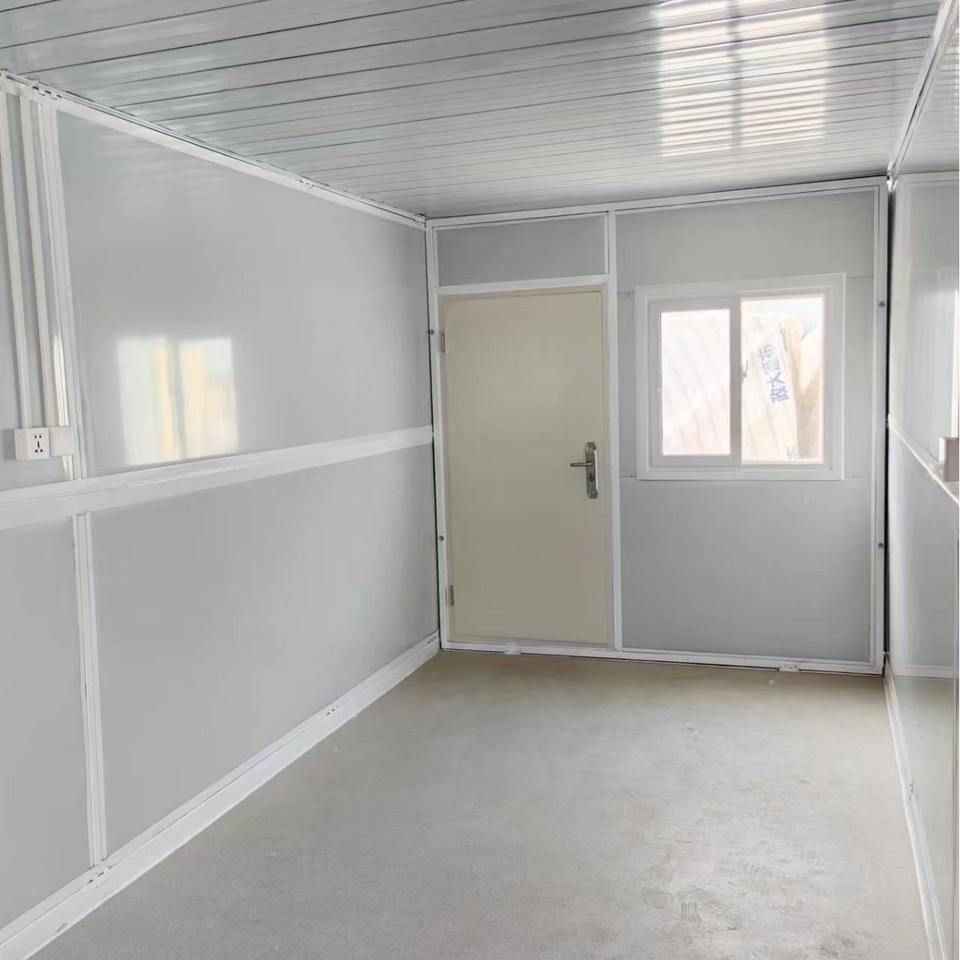
Core Components and Performance Advantages
The toilet body is molded in one piece using high-density polyethylene (HDPE) through blow molding, offering superior resistance to ultraviolet aging and low-temperature brittleness compared to traditional fiberglass. In Yichang's alternating humid-heat and humid-cold climate, the deformation rate can be controlled within 3%. The internal flushing system is divided into foam-type and water-circulation-type: the foam-type generates foam for sealing by mixing compressed air with a small amount of liquid, reducing sewage production by over 80% compared to traditional water-flushing systems, making it suitable for construction sites lacking drainage networks; the water-circulation-type achieves water reuse through filtration and purification, but has higher initial costs.
Dynamic Configuration and Spatial Logic
Toilet locations are adjusted according to construction phases: near the foundation pit edge during the foundation construction phase to shorten workers' walking time; within the coverage of tower cranes during the main structure phase for easy lifting and relocation; and away from material storage yards during the decoration phase. Lessors are required to provide single-stall, double-stall, and composite toilets with urinals. A common configuration in Yichang construction sites is one toilet stall per 20 to 30 workers; insufficient density can lead to queuing times exceeding 5% of working hours, affecting construction continuity.
Pollutant Treatment Technology Paths
Vacuum suction technology uses negative pressure to transport feces to a storage tank, with each cubic meter of storage capable of handling approximately 200 uses, suitable for short-term projects with durations of less than three months. Microbial degradation technology converts organic matter into carbon dioxide and water through enzymatic action by microbial strains, reducing residue volume to 10% of the initial amount, but requires temperatures to be maintained above 5°C; in Yichang's winters, heating devices or shortened replacement cycles are necessary. Lessors need to select technology solutions based on project duration and season.
Cost and Approval Advantages
The single-service cost of portable toilets (averaging 12 to 15 yuan per day) is higher than that of fixed temporary toilets (averaging 8 yuan per day), but they can circumvent the requirement in Yichang for planning permits for temporary structures exceeding six months in duration. Additionally, their ground-placement method eliminates the risk of septic tank flotation or leakage in deep foundation pit sites along the Yangtze River due to changes in groundwater levels.
Operational Maintenance Key Points
Cleaning frequency should be adjusted based on the number of users and temperature: every two days in summer to prevent odors, and can be extended to every four days in winter. In Yichang's rainy climate, the toilet roof should have an inclination angle of ≥15 degrees to prevent water accumulation, and the floor should be laid with anti-slip aluminum plates or rubber mats. The airtightness of the storage tank is achieved through double silicone strips.
Brands offering rental services in Yichang include Changjiu Environmental Protection, Yibingsi, Xinmingyang, and 12 other enterprises. The operational capabilities of service providers directly impact the user experience.



