
Volver al blog
Artículo
Yard Mobile Toilet Piping
Admin 07 de octubre de 2026
The piping specifications and connection methods for yard mobile toilets are as follows:
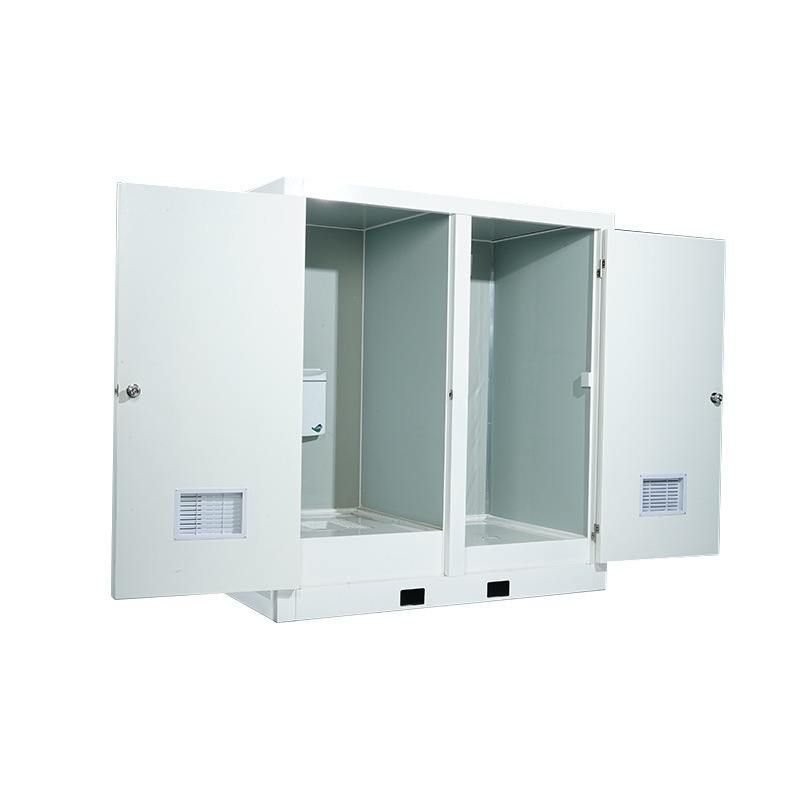
I. Sewage Pipe Specifications
- Toilet Sewage Outlet (Main Pipe): The most common and standard specification is dn110mm (φ110), suitable for the vast majority of mobile toilets. According to the "Code for Construction and Acceptance of Building Drainage Engineering" (GB 50268-2008), the drainage pipe for toilet bowls should not be smaller than this specification to ensure smooth discharge of waste.
- Sink Drain Outlet: The specification is dn50mm (φ50), which is a smaller branch pipe that meets the requirements for sink drainage branch pipes in the code.
- Water Inlet Pipe: The specification is dn33mm (1-inch pipe), used for water supply to meet daily water needs.
- Specification Selection for Different Scenarios:
- Single-room or low-usage scenarios (such as scenic spots and construction sites): dn110mm is sufficient and economical.
- Multi-unit or high-frequency usage scenarios (such as shopping malls and stations): The specification ranges from dn110mm to dn150mm to prevent blockages due to high flow rates.
- When connecting directly to a septic tank for drainage: A 250mm pipe opening can be made for the sewage outlet, and a 160mm pipe opening for the sink to facilitate direct drainage into the tank.
- For waterless packing or foam-sealing types: Large sewage pipes are not required; the pipes are smaller or there are no sewage pipes.
II. Sewer Pipe Connection Methods
- Select Installation Location: Choose a well-ventilated and easily drained location, and ensure there is sufficient space around the sewer pipe outlet to avoid affecting installation or use due to insufficient space.
- Connect the Sewer Pipe:
- After confirming the location, connect the sewer pipe to the sewage outlet of the mobile toilet.
- Select an appropriate connector to ensure the connector size and type match the sewer pipe.
- Extend the other end of the sewer pipe outward and along the ground to ensure smooth discharge of waste.
- Use Sealant: To ensure hygiene and environmental protection during drainage, use sealant material to seal the connector at the sewer pipe connection. Apply it evenly to ensure a good seal and prevent sewage leakage.
- Maintain Sewer Pipe Level: The angle of the sewer pipe must be kept vertical or horizontal, and excessive inclination should be avoided. If the drainage angle is too large, sewage may not drain properly, causing backflow and affecting usage.
- Regularly Clean the Sewer Pipe: To maintain a hygienic environment in the mobile toilet, regularly clean the sewer pipe. You can choose professional pipe cleaning tools or clean it manually to keep the sewer pipe unobstructed and prevent blockages.
Relacionados



