
Yantai Construction Site Portable Toilet
The Yantai construction site portable toilet is a temporary sanitation solution based on a steel frame, integrating sanitation facilities and featuring mobility, suitable for flexible deployment in construction scenarios.
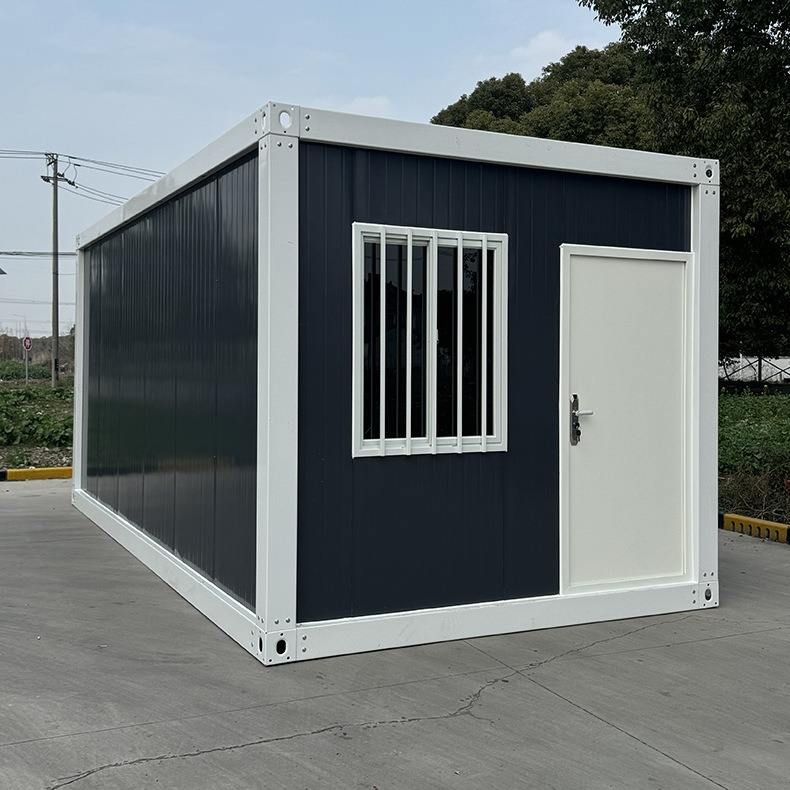
1. Structural and Material Characteristics
The frame of the Yantai construction site portable toilet is constructed using steel welding techniques. The base is reinforced with channel steel or I-beams to enhance load-bearing capacity, while square steel columns provide support, ensuring overall structural stability. The wall materials are diverse, including color-coated steel plates (lightweight and rust-resistant), fiberglass-reinforced plastic (corrosion-resistant), stainless steel (high-strength), and metal carved panels (aesthetically pleasing and heat-insulating), allowing selection based on the construction site environment. The frame design supports hoisting operations, meeting the needs for rapid movement and assembly, with significantly higher transportation efficiency compared to traditional fixed toilets.
2. Functional Configuration and Advantages
The internal configuration is superior to that of ordinary fixed toilets, typically integrating a water storage system (including a clean water tank and a wastewater tank), a sewage disposal unit (direct discharge or septic tank treatment), and a ventilation unit (forced exhaust or natural ventilation). Some high-end models are equipped with air conditioning, lighting, and disinfection equipment. Its core advantage lies in flexibility: It can be deployed in stages according to the construction progress, such as being concentrated in the work area during the foundation construction phase and adjusted to densely populated areas during the main construction phase, enabling dynamic allocation of sanitation resources.
3. Rental and Maintenance Process
The rental process consists of three steps:
- Demand Confirmation: The demand side determines the quantity and specifications of the equipment (such as single toilet compartments, multiple toilet compartments, or combinations with shower rooms) based on the construction site's foot traffic, usage duration, and site conditions (such as ground bearing capacity and drainage paths).
- Equipment Matching and Transportation: The supplier provides portable toilets that meet the standards and transports them to the site via flatbed trucks.
- Installation and Fixing: Only simple ground leveling (such as laying concrete or anti-slip tiles) is required, and the equipment is fixed with expansion bolts or counterweights to prevent tipping.
Maintenance services are provided by the supplier at agreed frequencies, including waste removal (daily or every two days), consumable replenishment (toilet paper, hand soap), and basic cleaning (disinfection, deodorization) to ensure hygiene during use.
4. Technical Details and Environmental Adaptability
The main structural materials must meet the requirements of the construction site environment: High-density polyethylene (HDPE) or fiberglass-reinforced plastic materials are impact-resistant and aging-resistant, capable of withstanding temperature variations from -20℃ to 50℃. The power supply options are flexible, including municipal grid connection (stable), solar panels (energy-saving), or silent generators (for areas without a grid); the drainage design must be integrated with the construction site's drainage system to prevent soil contamination from wastewater leakage. Additionally, the equipment must include an accessible passage (width ≥ 90cm) in compliance with the "Accessibility Design Code."



