
Yancheng Mobile Toilet Materials
The materials for mobile toilets in Yancheng mainly include four categories: metal frames, wall panels, flooring materials, and internal fittings, as detailed below:
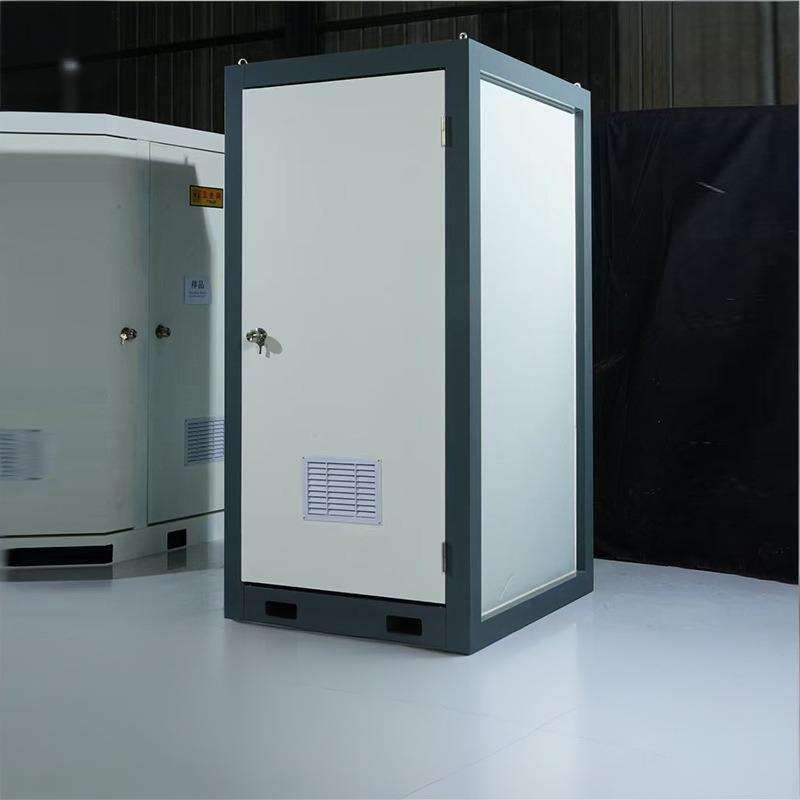
Metal frames serve as the supporting structure for mobile toilets and are typically welded from galvanized steel pipes or stainless steel. Galvanized steel pipes, with their surface galvanized layer, effectively isolate air and moisture, preventing rust, extending service life, and offering high strength, wind resistance, and earthquake resistance, making them suitable for complex outdoor environments. Stainless steel, on the other hand, exhibits superior corrosion resistance, ideal for long-term exposure to humid or corrosive environments. Some frames also utilize lightweight, high-strength metal profiles such as aluminum alloy, ensuring structural stability while facilitating lifting and transportation.
Wall panels are primarily made of composite materials, with color-steel sandwich panels being the most widely used. Comprising two layers of thin steel sheets filled with polystyrene or rock wool, these panels offer insulation, soundproofing, and fire resistance, effectively meeting usage demands under various climatic conditions. High-end mobile toilets may feature glass-reinforced plastic (FRP) monolithic walls, which are smooth, easy to clean, resistant to stains, and highly corrosion-resistant. Additionally, materials such as anti-corrosion wood panels, galvanized sheets, stainless steel sheets, and metal embossed panels are also commonly used for walls. These materials must balance strength, insulation, fire resistance, and corrosion resistance, with some opting for color-coated steel sheets, aluminum-plastic panels, or new composite materials to meet functional requirements in different scenarios.
Flooring materials must meet requirements for slip resistance, easy drainage, and easy cleaning. Common choices include slip-resistant patterned aluminum sheets and FRP grilles. Slip-resistant patterned aluminum sheets increase friction through surface textures, preventing slips, while FRP grilles feature a hollow structure that facilitates rapid drainage of sewage, keeping the floor dry. Internal flooring must also be slip-resistant, waterproof, and easy to clean to ensure safety and hygiene during use.
Regarding internal fittings, toilets often use stainless steel or ceramic squat pans paired with high-pressure water flushing systems to ensure effective flushing. Interior wall panels are commonly made of compact laminate or PVC sheets, which are corrosion-resistant, moisture-proof, and resistant to deformation and peeling over long-term use, making them suitable for the humid environment inside toilets. Standard configurations also include paper towel holders, handrails, storage shelves, mirrors, etc. Some higher-configuration units may also include sinks to enhance convenience.



