
Yanbianzhou Temporary Mobile Toilet
The temporary mobile toilet in Yanbianzhou is a transportable and rapidly deployable sanitation facility unit that can flexibly address public health needs in scenarios with population gatherings.
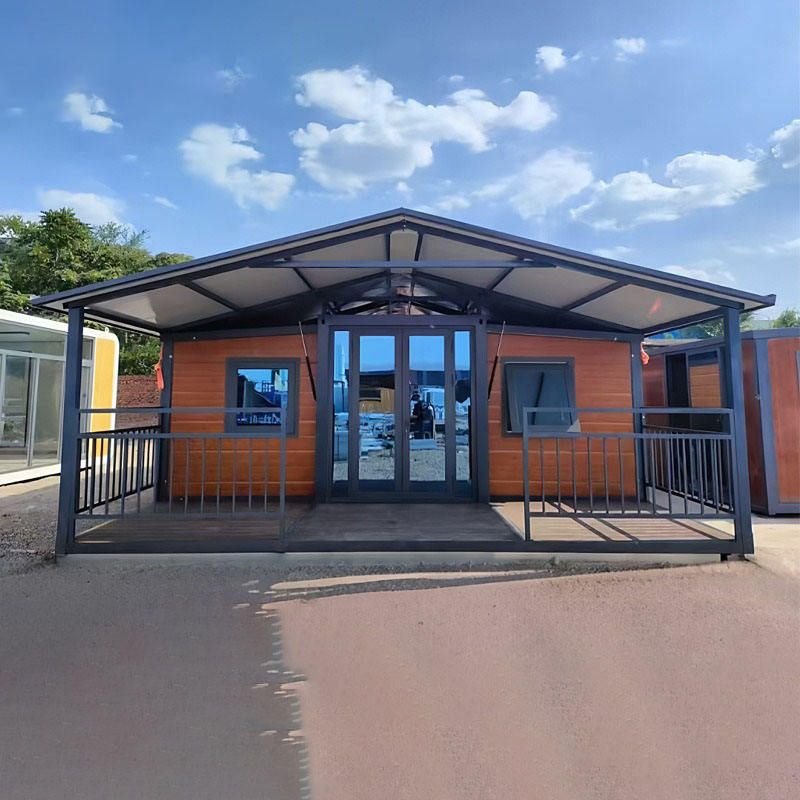
I. Basic Composition and Functions The temporary mobile toilets in Yanbianzhou are transported by vehicles or modular components, offering mobility and the ability to adjust their positions and quantities according to demand. A complete unit typically integrates sanitary fixtures (such as toilets and sinks), water supply and drainage systems, waste storage or treatment devices (such as waterless flushing, biodegradation, and chemical treatment technologies), as well as ventilation and lighting facilities. Some units are also equipped with barrier-free facilities or water-saving and environmentally friendly technologies, such as low-flow faucets to reduce water consumption. Their core function is to minimize environmental impact through on-site or off-site harmless waste treatment while meeting public health needs.
II. Application Scenarios and Advantages During peak tourist seasons, festivals, or temporary markets, where populations gather instantaneously, temporary mobile toilets can effectively alleviate the pressure on fixed public toilets and avoid public health hazards caused by facility shortages (such as随地排泄 (open defecation) and garbage accumulation). Their advantages are reflected in three aspects:
- Flexibility: Rental services are demand-responsive, configuring the quantity and specifications of equipment based on factors such as population size and event duration to avoid resource waste.
- Economy: An asset-light operational model with pay-as-you-go is adopted. Users do not need to bear the costs of purchase and long-term maintenance but only pay for the rental duration, equipment specifications, and additional services (such as cleaning and transportation).
- Environmental Adaptability: The appearance can be customized to blend into different scenarios. For example, historical and cultural scenic spots adopt ancient architectural styles, while commercial areas use modern minimalist designs, enhancing the city's image.
III. Deployment and Operation and Maintenance Processes Deployment requires the simultaneous connection or provision of independent systems, including water supply and drainage treatment (such as temporary water tanks or sewage collection vehicles), power supply (generators or municipal power grids), and solid waste collection (sealed fecal storage tanks). After use, the service provider will quickly remove the equipment, restore the site, and conduct deep cleaning and disinfection to ensure hygiene and safety for the next deployment. Their simple structure and compact space make cleaning efficiency significantly higher than that of fixed public toilets. For example, areas such as toilets, sinks, and floors can be thoroughly disinfected in a short time.
IV. Technical Characteristics and Environmental Friendliness Temporary mobile toilets reduce environmental burdens through technological optimization: waterless flushing technology is suitable for water-scarce areas, biodegradation technology can convert feces into harmless fertilizers, and chemical treatment technology kills pathogens through disinfectants. These technologies all aim to achieve on-site or off-site harmless waste treatment, avoiding soil or water source pollution.



