
Y Mobile Toilet
Mobile toilets are facilities that can be moved as a whole and provide toilet services to the public, suitable for both fixed and temporary demand locations.
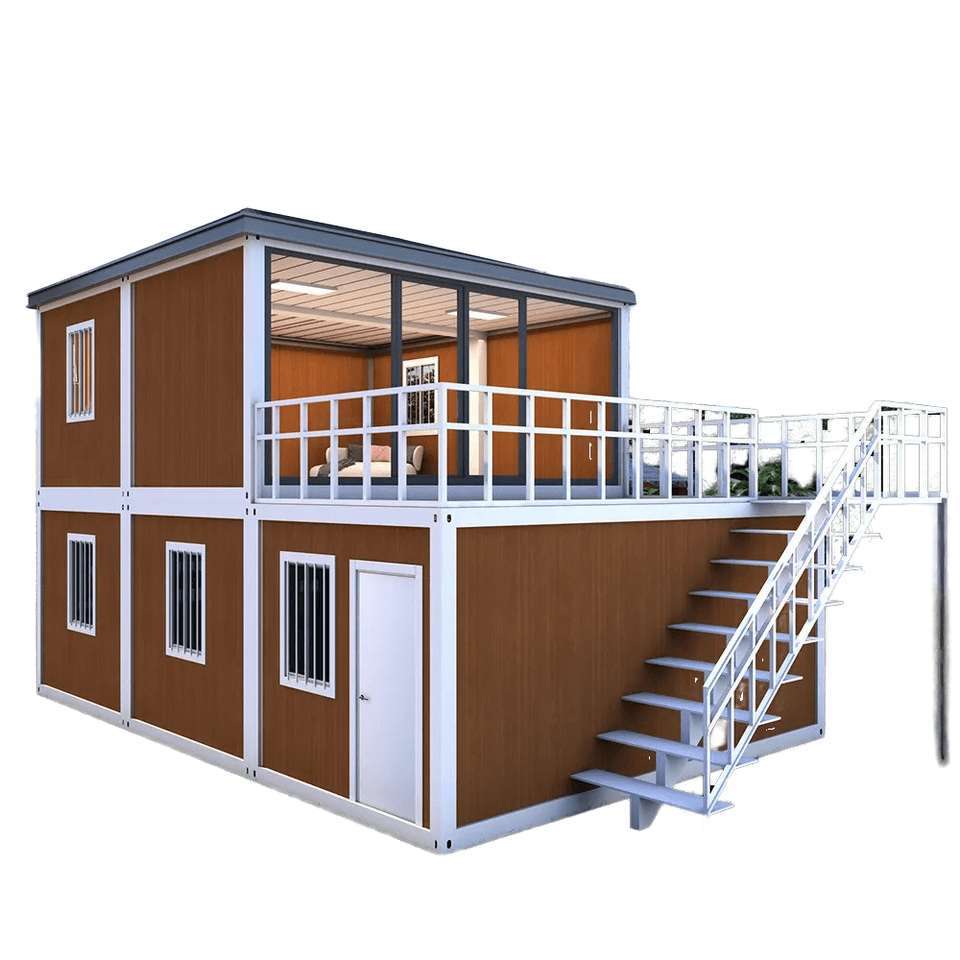
I. Basic Composition
Mobile toilets typically consist of fecal sewage storage tanks (or disposal units), floor slabs, sanitary ware, walls, washing equipment, water tanks, roofs, and mobile devices. Their core functional modules include an excreta collection system (such as fecal storage tanks, waterless flushing suction devices), a water supply system (water tanks, water flushing devices), and a structural support system (walls, roofs). Some high-end models are also equipped with ventilation systems, lighting equipment, and disinfection devices to enhance the user experience.
II. Development History and Classification
Early mobile toilets were made of wood, which had issues such as easy odor absorption and poor durability. Later, they gradually adopted lightweight and high-strength materials such as fiberglass and polyethylene. According to their structural forms, they can be divided into single-unit structures (independent units) and composite structures (multi-unit combinations). Based on their mobility methods, they can be classified as lifting-type (requiring lifting equipment), powered towing-type (tractable for movement), and handling-type (moved manually or with small machinery). According to sewage treatment methods, they can be categorized as water-flushing type (dependent on a water supply system), waterless flushing suction type (vacuum suction), recirculating water-flushing type (sewage purification and reuse), and dry packing type (excreta sealed collection).
III. Core Advantages and Application Scenarios
Their greatest advantages lie in their mobility and flexibility, allowing for rapid deployment in areas where fixed public toilets are insufficient, such as large event venues, disaster areas, remote scenic spots, or temporary construction sites. For example, in 2023, the Lanzhou Yellow River Scenic Area effectively alleviated the toilet problem for tourists by installing mobile toilets. Additionally, their modular design supports quick assembly and disassembly, enabling reuse and reducing long-term construction costs.
IV. Design Principles and Market Situation
Design should adhere to the principles of lightweight (using lightweight materials), durability (stable structure), environmental friendliness (sewage treatment meeting emission standards), and humanization (adjusting height and width to accommodate different populations). There are significant price differences in the market for these products. For instance, models provided by Shenzhen Zhengxinqi Transportation Equipment Co., Ltd. range from 95 yuan to 427.5 yuan, depending on the configuration (such as materials, sewage treatment methods, additional functions) and scale (single-unit or composite structure).



