
Xuchang Mobile Toilet Inspection
The inspection points for prefabricated box-type toilets in Xuchang cover various aspects such as building structure, damage, materials, load-bearing capacity, wind and earthquake resistance, and enclosure waterproofing. Details are as follows:
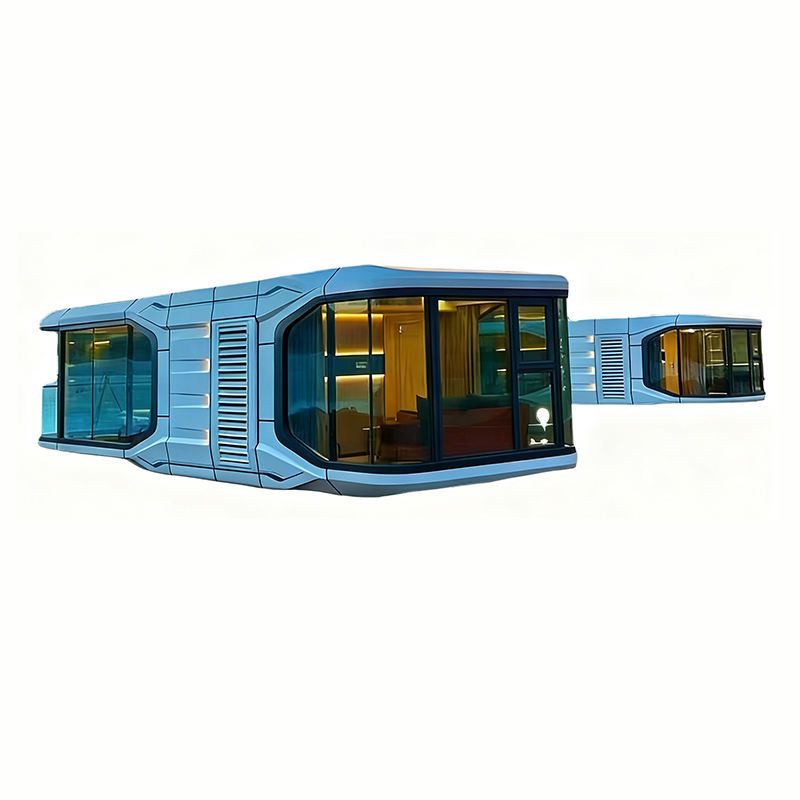
Building and Structure Verification: Based on the drawings and other materials provided by the client, verify the on-site structural layout and construction. This includes architectural layout aspects such as wall distribution, door and window locations and sizes, as well as the building's axis dimensions. Ensure that the structural layout, main dimensions, and positions are generally consistent with the drawings, and that the axis position dimension deviations are within the allowable range of the specifications.
Structural Damage Inspection: Carefully check for cracks, deformations, and local damage in the structure. Use text, photos, and other forms to record in detail the location, extent, and cause of damaged structural components, and conduct in-depth analysis of the observed damage phenomena to provide a basis for subsequent repairs or reinforcements.
Material Strength Testing: On-site, use the surface hardness method to conduct sampling tests on the strength of steel structural components. Select some steel components to measure their surface hardness and then infer the tensile strength of the steel to ensure that the material strength meets the design requirements.
Structural Load-Bearing Capacity Calculation: Combine on-site inspection data, original design and construction materials, and use professional structural calculation software to calculate and analyze the load-bearing capacity of the box-type toilet structure, assessing whether its load-bearing capacity under normal use conditions meets the requirements.
Wind and Earthquake Resistance Performance Inspection: Evaluate whether the seismic fortification intensity of the prefabricated box-type public toilet reaches 8 degrees and whether its wind resistance capacity reaches 12 levels. Conduct a comprehensive assessment of the wind and earthquake resistance performance of the upper main structure to ensure the safety of the toilet under different natural disasters.
Enclosure Structure and Waterproofing Inspection:
- Roof Waterproofing Inspection: The roof must not leak and should undergo a post-rain or 30-minute water spraying test. After the installation of the prefabricated septic tank, conduct an anti-leakage test on the entire system to ensure that there is no leakage in the roof and septic tank system.
- Ground Waterproofing and Drainage Inspection: After the installation of the integrated bathroom, conduct a full-water and water-flow test. After filling with water, all connectors should not leak. During the water-flow test, the water supply and drainage should be smooth, and the sealing at the connections of all water-involved parts should meet the design requirements. The ground slope direction and gradient should be correct, with no standing water.
- Exterior Wall and Door/Window Sealing Inspection: The wall panel surface should be intact and smooth, without deformation or damage. The door and window openings should be flat, and the joints with the main structure should be well-sealed to prevent rainwater leakage.



