
Xuanwei Mobile Toilet Must-See
When choosing a mobile toilet in Xuanwei, it is necessary to comprehensively consider factors such as materials, odor and slip resistance, after-sales customization, and product advantages.
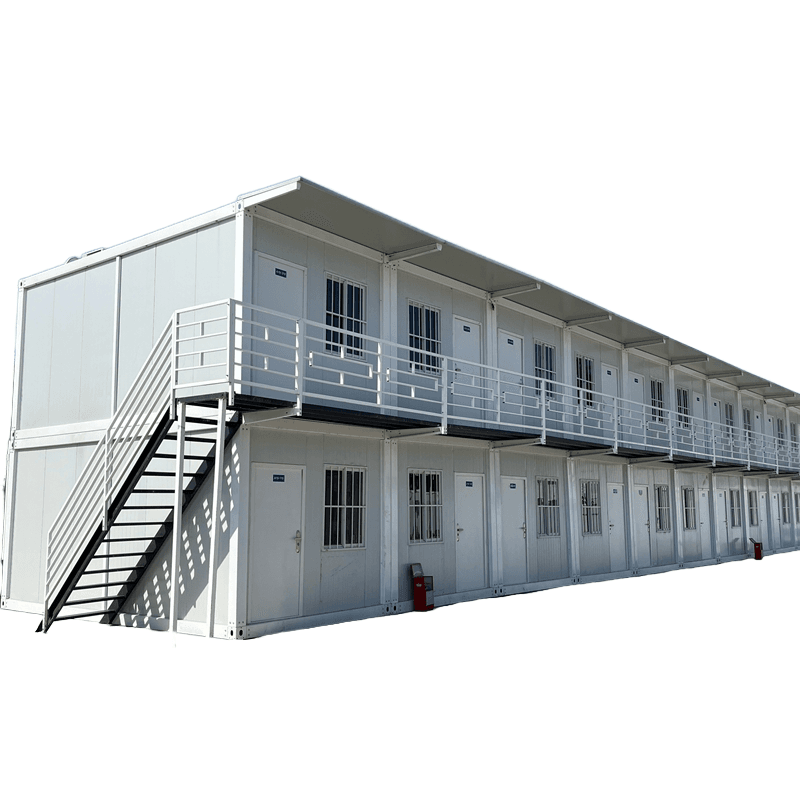
Materials and Structural Craftsmanship: Common materials for mobile toilets include stainless steel, fiberglass, and metal sandwich panels. 304 stainless steel is corrosion-resistant and easy to clean, suitable for long-term use in high-sanitation-standard scenarios, but it is costly and heavy. Fiberglass is molded as a whole, waterproof and moisture-proof, with high cost-effectiveness, but its impact resistance is slightly weak. Metal sandwich panels (such as color-steel foam panels) are the least expensive, but they have poor corrosion resistance, are prone to rust, and are difficult to clean. During procurement, it is essential to focus on inspecting the material thickness, welding process, and surface treatment process (such as anti-rust coatings) to ensure structural stability and durability.
Odor and Slip Resistance Design: Odor control design should focus on the ventilation system (exhaust fans, vents), sewage discharge methods (flushing, foam, packing), and internal sealing. For example, foam toilets cover feces with foam to isolate odors, but they require electricity. Flushing toilets offer good cleaning effects but require connection to a water source and sewage pipes. Slip resistance design should inspect the floor material (anti-slip plates or mats) and slope to ensure smooth drainage and prevent slipping risks caused by water accumulation.
After-sales and Customization Capabilities: The maintenance (replacement of parts, cleaning of septic tanks), transportation, installation, and customization services of mobile toilets directly affect the total cost. It is advisable to prioritize source manufacturers that offer nationwide warranty, 24-hour after-sales response, and a spare parts inventory, and confirm whether they support customization of size, color, and functions (such as adding barrier-free facilities) according to the site conditions to reduce long-term usage costs.
Product Advantages: Mobile toilets are movable and can adapt to site changes, reducing the resource waste from demolishing fixed facilities. They have diverse treatment methods (such as waterless flushing microbial degradation technology), eliminating the need for laying sewage pipes and allowing flexible site selection. They occupy a small area, consuming fewer land resources. Their exterior design balances practicality and is suitable for public places such as tourist attractions and parks. The construction process involves factory-prefabricated finished products that can be installed and used on-site, saving labor, materials, and capital investment.



