
Volver al blog
Artículo
Xiong'an Mobile Toilet
Admin 19 de octubre de 2026
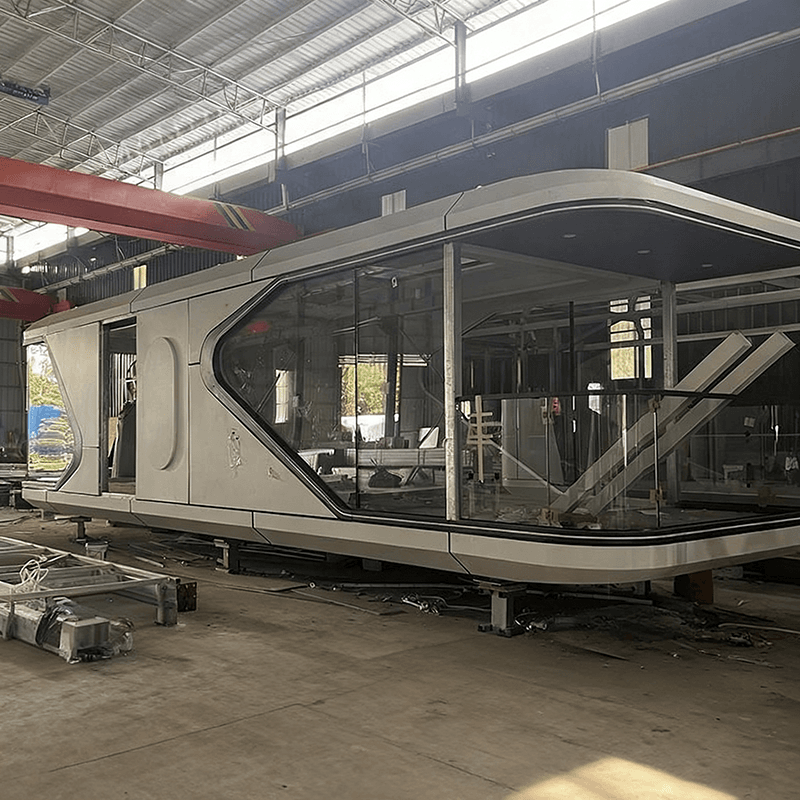
Xiong'an mobile toilets (prefabricated mobile toilets) are temporary sanitation facilities designed with a modular approach, enabling rapid deployment. They are suitable for temporary events, emergency scenarios, or areas with high population mobility, featuring strong flexibility and good environmental adaptability.
I. Rental Process
The rental process consists of six steps:
- Needs Assessment: Define parameters such as the number of usage days, average daily occupancy, toilet-to-user ratio, and accessibility requirements.
- Technical Matching: Select materials (e.g., lightweight alloy frames), waste treatment methods (biodegradation, vacuum collection, or bagging systems), and water-saving technologies based on needs.
- Contract Signing: Costs include rental fees, transportation and installation, cleaning and maintenance, water and electricity supply, and dismantling and removal. Billing cycles are calculated daily, weekly, or monthly.
- Delivery and Installation: The service provider is responsible for transportation, lifting and positioning, connecting water and electricity pipes (or configuring self-contained water tanks/sewage tanks), commissioning equipment, and securing it in place.
- Rental Support: Regular cleaning and disinfection, replenishment of consumables, equipment inspection, and sewage treatment facility management.
- End of Lease: The service provider inspects the facility's condition, dismantles and removes it, and performs cleaning and maintenance.
II. Technical Composition and Specifications
- Structural Modules: Utilize lightweight alloy frames and composite panels. The exterior wall features corrosion-resistant metal panels with a thickness of 0.8-1.2 mm, the roof is made of UV-resistant fiberglass (2-3 mm), and the floor is slip-resistant with a load-bearing capacity of ≥200 kg/m².
- Sanitation Treatment Systems:
- Biodegradable Type: Single treatment capacity of 0.5 liters, decomposition cycle of 24-48 hours, active temperature range of 5-40°C.
- Vacuum Collection Type: Storage tank capacity of 80-120 liters, operating pressure of -0.05 to -0.08 MPa, single flush water consumption of 0.5-1 liter.
- Bagging Type: Uses biodegradable film with a roll length of 30-50 meters, supports 150-200 uses, and has a replacement cycle of 7-15 days.
- Auxiliary Facilities: Ventilation system with an air volume of 80-120 m³/h and noise level ≤45 dB; lighting using 5-8 watt LED sources with an illuminance of ≥100 lux; some models are equipped with solar power systems (photovoltaic panels of 80-120 watts, batteries of 100-200 Ah).
III. Advantages and Disadvantages Analysis
- Advantages:
- Flexible Deployment: Modular design allows for rapid addition or reduction of toilet units to adapt to fluctuating demand.
- Strong Environmental Adaptability: Wind-resistant and earthquake-resistant structures, along with weather-resistant materials (e.g., UV-resistant roofs), make them suitable for various climates.
- High Independence: They do not rely on fixed piping networks and can be quickly installed through the combination of prefabricated components.
- Disadvantages:
- High Maintenance Requirements: Septic tanks require regular emptying, and water pipes are prone to freezing damage in winter.
- Limited Durability: Frequent disassembly and assembly may lead to loosening of connectors, and in high-frequency usage scenarios, consumable parts (such as door locks and flush valves) require frequent replacement.
Relacionados



