
Volver al blog
Artículo
Xinjiang Mobile Prefabricated Toilet
Admin 10 de octubre de 2026
The Xinjiang mobile prefabricated toilet is a portable sanitation facility prefabricated in a factory and quickly assembled on-site. It features a short installation period, easy mobility, and strong environmental adaptability, making it widely used in tourist attractions, construction sites, temporary events, and rural public service scenarios.
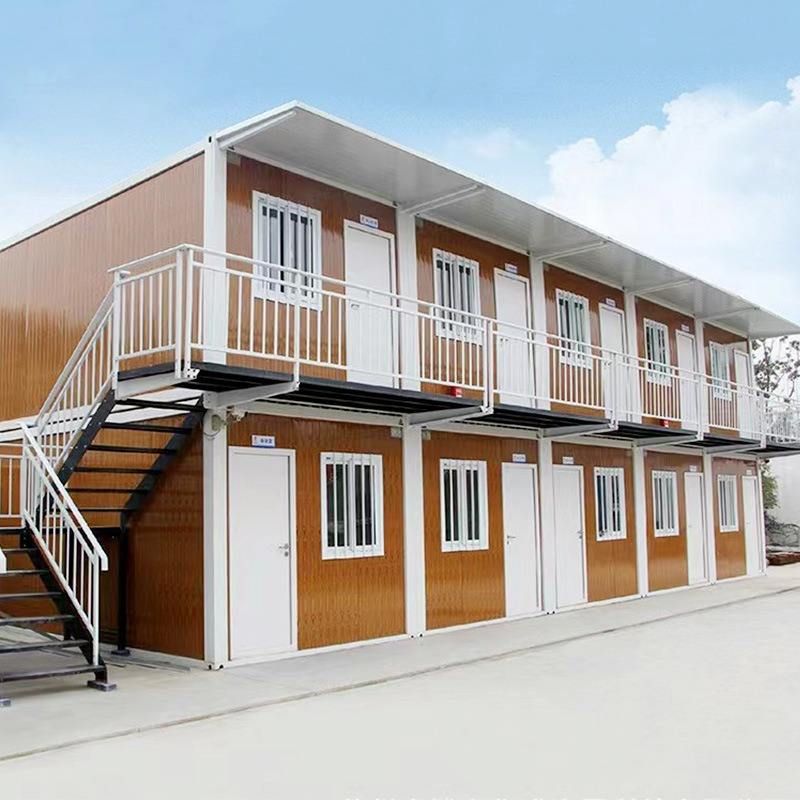
Types and Characteristics
Appearance and Materials
- Some adopt a ridged roof design with metal carved panels on the exterior walls, providing both thermal insulation and heat preservation. The double-door design further reduces heat loss.
- Others use galvanized corrugated panels for the walls, with hand-painted patterns on the surface, balancing practicality and aesthetics.
Functional Zoning
- The basic configuration includes separate zones for men and women, with some adding a management room (for storing cleaning tools or equipment) and a third toilet (to meet the special needs of disabled individuals and mothers with infants).
Disposal Methods
- Flush Type: Relies on a water supply and sewage pipeline for clean and intuitive disposal, suitable for areas with sufficient water supply.
- Chemical Type: Uses chemical agents to decompose waste, offering high portability and suitability for temporary emergency scenarios.
- Ecological Type: Utilizes microbial degradation technology to reduce the frequency of emptying, ideal for remote areas with water scarcity or sewage disposal difficulties.
Mobility
- Integrated Type: Prefabricated as an independent container, it can be relocated as a whole by truck or trailer, requiring only connection to water and electricity or activation of its self-contained equipment during installation.
- Modular Type: Modular components are transported to the site for assembly, suitable for long-term installations with initial transportation constraints.
Environmental Adaptability
- Thermal Insulation and Freeze Protection: The walls are filled with thermal insulation materials, the water tank is designed to prevent freezing, and the doors and windows are sealed to cope with the low temperatures in Xinjiang's winter.
- Water and Energy Conservation: In arid regions, efficient water-saving flushing systems or waterless ecological technologies are equipped.
- Energy Self-Sufficiency: Some units integrate solar panels to power lighting and ventilation, reducing reliance on external sources.
Application Scenarios
- Tourist Attractions: Quickly deployed in parking lots or temporary viewpoints during peak seasons and retrieved for maintenance during off-seasons.
- Field Operations: Provides sanitation support for camps in deserts and wilderness areas, with relocation after operations conclude.
- Large-Scale Events: Used as emergency facilities during cultural fairs or sports events, and removed afterward to avoid land resource occupation.
Service Selection Recommendations
Several companies in Xinjiang (such as Dezhou Hongtu Metal Products Co., Ltd.) offer customization services. When selecting, consider the usage scenario, product performance, and after-sales service, and follow a three-step screening process:
- Clarify project requirements (number of users, site area, water and electricity conditions, waste removal methods).
- Compare supplier proposals (thermal insulation materials, structural materials, disposal systems, transportation methods).
- Confirm service terms (installation, training, after-sales response, etc.).
Relacionados



