
Xiaogan Environmental Protection Mobile Toilet Design
The design of Xiaogan's environmental protection mobile toilets comprehensively embodies the characteristics of environmental protection, practicality, intelligence, and humanization. The specific design highlights are as follows:
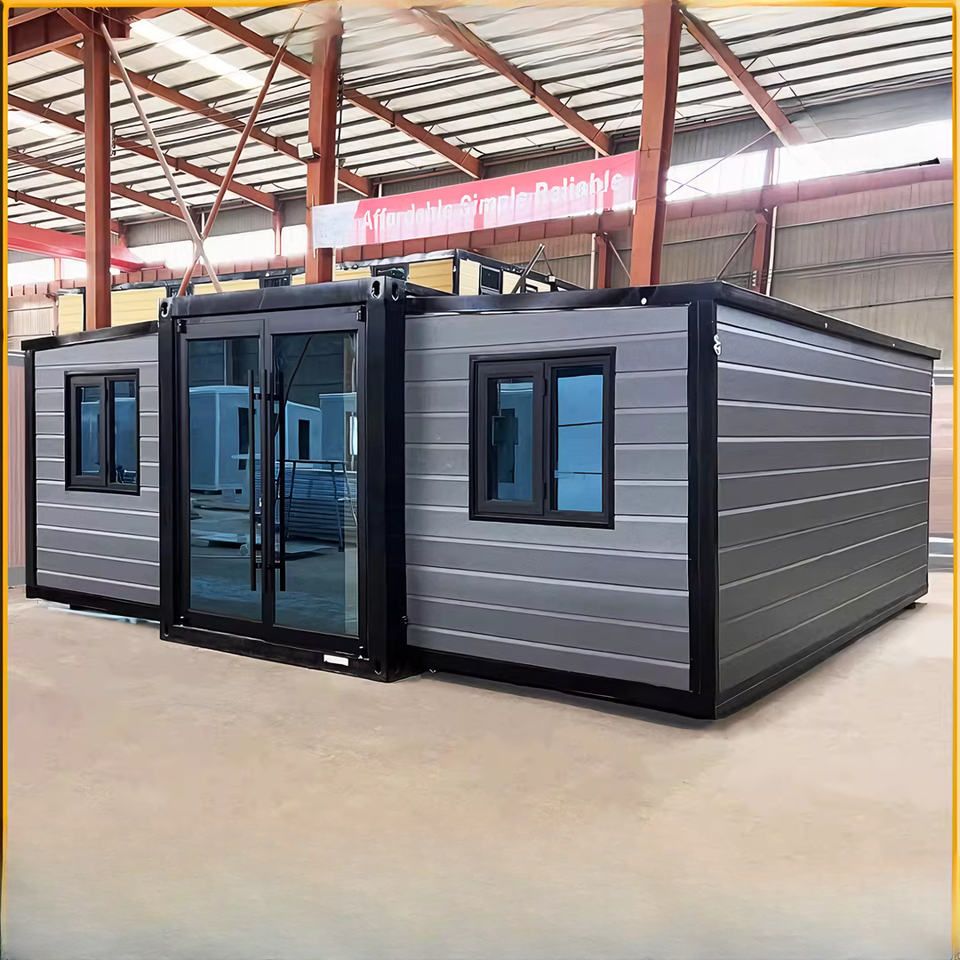
1. Environmentally friendly materials and structural safety
The outer shell is made of stainless steel or anti-corrosion wood, which is corrosion-resistant and aging-resistant. Degradable materials are used inside to reduce chemical pollution. The main structure is welded with national standard light steel keels to meet the requirements of overall lifting, ensuring stability during transportation and installation. The outer wall materials offer a variety of options, including color-coated steel plates, metal carved plates, and aluminum-plastic plates, which can be customized according to the usage scenario (such as scenic spots or construction sites) or customer needs, balancing aesthetics and durability.
2. Water and electricity conservation with intelligent control
Equipped with an induction flushing system, the water consumption is only one-third of that of traditional toilets. Combined with automatic urine and hand-washing water collection technology, after adding water-saving agents, the flushing volume per person can be as low as 0.46 liters. The power supply system can optionally use solar energy to reduce operating costs. The intelligent control system achieves efficient flushing with low water volume through the linkage of upper and lower water tanks and is equipped with an unmanned indicator light and exhaust fan to enhance user convenience.
3. Modular design and flexible application
The modular structure allows for easy disassembly and assembly of components, facilitating transportation and shortening the installation period. It is suitable for long-term fixed use or temporary event scenarios. The modular design also facilitates later maintenance, as individual damaged components can be quickly replaced, reducing downtime.
4. Diversified sewage treatment technologies
- Recirculating water flushing type: Through intermittent aerobic and anaerobic treatment devices, biological strains are added, and biofilm technology is used to accelerate the decomposition of excreta. The treated water is recirculated for flushing, achieving closed-loop water resource utilization.
- Dry packing type: A waterless flushing design where excreta is collected by degradable plastic bags. After use, the bags are automatically replaced and collected centrally, avoiding sewage discharge and suitable for water-scarce areas.
- Other technologies: Including foam sealing type (using foam to cover excreta to reduce odors) and microbial type (using microorganisms to decompose organic matter), meeting different environmental needs.
5. Rich configuration and humanized design
The standard configuration includes basic functions such as a toilet bowl, urinal, clothes hook, and vanity mirror; optional configurations include heating and cooling air conditioners, air purifiers, anti-freezing systems, and background music to enhance user comfort. For example, a heating system can be added in cold regions to ensure normal use in winter.
6. Insulation and low energy consumption design
Equipped with an insulation system to reduce energy consumption, combined with water and electricity conservation technologies, the overall operating cost is reduced by about 40% compared to traditional toilets, meeting green building standards.



