
Xiaogan Ecological Mobile Toilet
The Xiaogan ecological mobile toilet is an environmentally friendly type of toilet that uses water circulation or composting technology, eliminating the need for tap water and sewer pipes. It is commonly found in natural scenic spots in Xiaogan and offers advantages such as water conservation, environmental protection, and low maintenance costs, although it requires a higher initial investment and needs anti-freezing treatment in winter.
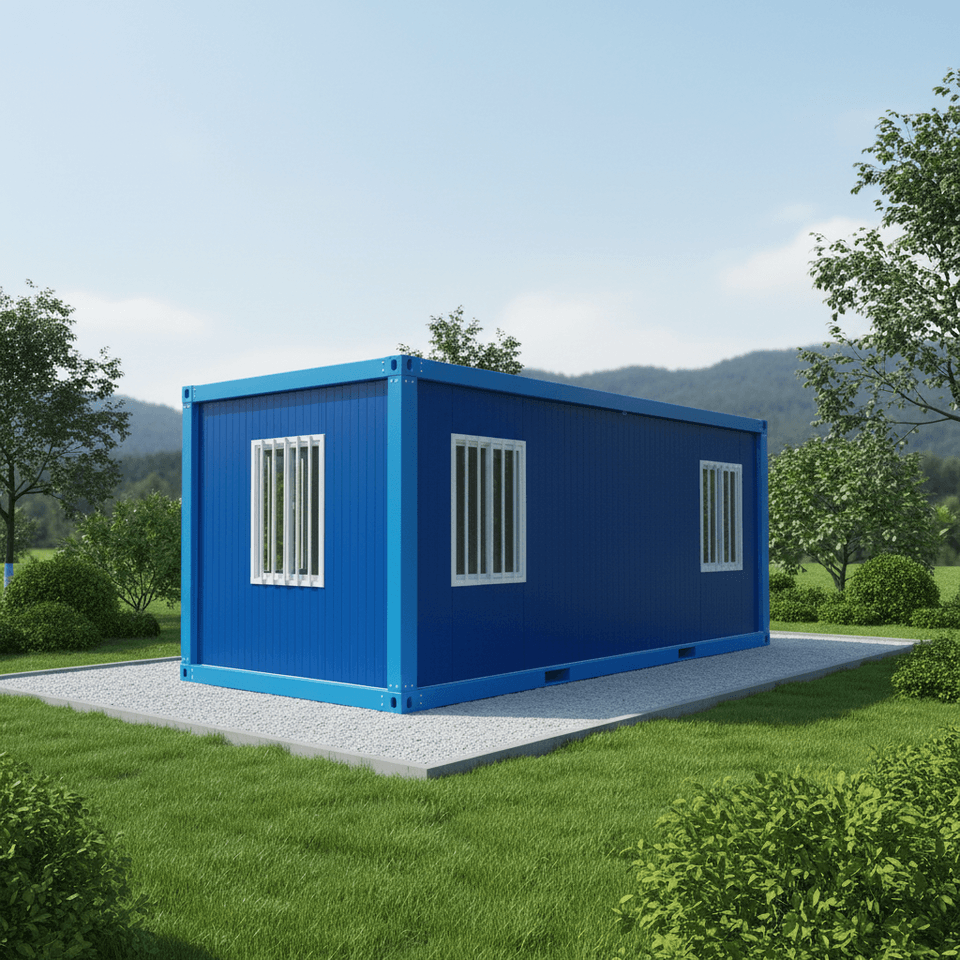
Technical Principles and Types
The core technologies of Xiaogan ecological mobile toilets fall into two categories: water circulation systems and composting treatment systems. Water circulation models use biodegradation or physical filtration techniques to purify wastewater for reuse in flushing, achieving efficient water utilization. Composting models utilize microorganisms to decompose feces into organic fertilizer, eliminating the need for external water sources and sewer connections throughout the process. Additionally, derivative types such as microbial environmental toilets and waterless flushing environmental toilets are available in the Xiaogan market. The former accelerates decomposition by adding specific bacterial strains, while the latter relies on physical sealing or chemical agents to reduce odors, both featuring ecological and environmental protection characteristics.
Application Scenarios and Advantages
These toilets are primarily deployed in ecologically sensitive areas, such as nature reserves and rural tourist attractions in Xiaogan, which are remote locations. Their advantages are significant:
- Water conservation and environmental protection: Water circulation models can save over 80% of water per day, while composting models use no water at all, significantly reducing dependence on natural water bodies;
- Low maintenance costs: There is no need to lay sewer pipes, reducing infrastructure investment, and the by-products of composting models can be reused as fertilizer;
- Strong adaptability: Modular design facilitates quick installation and relocation, making them suitable for temporary events or seasonal scenic spots.
Limitations and Improvement Measures
Despite their outstanding advantages, ecological mobile toilets still face two major challenges:
- High initial costs: Filtration equipment for water circulation systems and bacterial culture devices for composting models require significant investment, although costs can be amortized over long-term use;
- Winter anti-freezing issues: Pipes may freeze in low-temperature environments, necessitating solutions such as insulation layer wrapping or electric tracing technology. Some products have integrated intelligent temperature control systems to cope with extreme weather conditions.
Market Status and Development
The local market in Xiaogan has developed a diversified product system. In addition to the aforementioned types, some enterprises have introduced solar-powered mobile toilets, which use photovoltaic panels to supply power to the equipment, further reducing energy consumption. With the advancement of the "dual carbon" goals, ecological mobile toilets are expanding from scenic spots to urban parks, transportation hubs, and other fields, becoming an important component of green infrastructure.



