
Wuwei Vehicle-mounted Mobile Toilet
The Wuwei vehicle-mounted mobile toilet is a trailer-type mobile restroom designed with modular construction and portability as its core features, suitable for multiple scenarios and capable of sustainable operation.
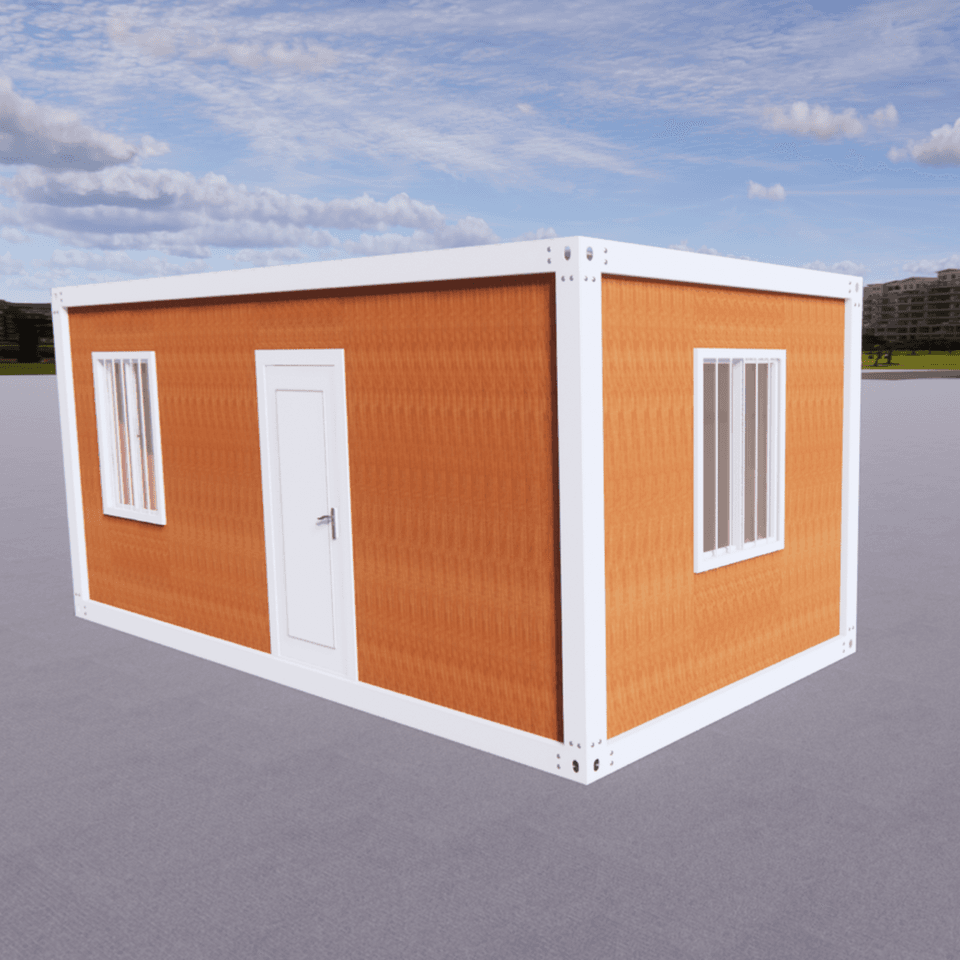
I. Basic Structure and Functional Features
The Wuwei vehicle-mounted mobile toilet is equipped with steerable axles and a towing device at the bottom of its box body, allowing it to be towed by motor vehicles. Its modular design is reflected in the prefabricated production and preliminary assembly of components such as the frame, wall panels, sanitary fixtures, and sewage systems in factories. During transportation, these components are stacked or arranged side by side in a standardized form to reduce space usage. Its portability enables rapid deployment and withdrawal according to demand, making it suitable for scenarios with fluctuating visitor numbers (such as tourist attractions and large events) or temporary sites (such as construction sites and wild exploration camps).
The sewage treatment system is a key function, divided into collection and temporary storage and on-site treatment:
- Collection and temporary storage: Equipped with sealed sewage storage tanks, it requires regular collection and transportation by specialized vehicles, suitable for short-term or low-frequency use scenarios.
- On-site treatment: Integrates biochemical (such as microbial decomposition) or physicochemical (such as membrane filtration and chemical treatment) units to preliminarily treat waste before discharge or reduce its volume for storage, reducing reliance on collection and transportation, and suitable for long-term or environmentally demanding scenarios.
II. Sustainable Operation Technologies
To reduce resource consumption, this type of toilet often incorporates self-power generation and water-saving technologies:
- Energy self-sufficiency: Solar panels are installed on the roof to generate electricity for internal equipment, reducing reliance on the external power grid.
- Water-saving design: High-pressure air-assisted or vacuum-suction sanitary fixtures are used, reducing the water consumption per flush to less than 1 liter, extending the water refilling cycle, and adapting to water usage restrictions in arid regions (such as Wuwei).
III. Materials and Durability
The manufacturing materials balance lightweight, high strength, and weather resistance:
- Box body structure: Galvanized steel sheets, aluminum alloy profiles, or fiberglass-reinforced plastic (FRP) are used as the frame and cladding to withstand sand and temperature variations.
- Interior wall panels: Stainless steel, engineering plastics, or special polymer panels are used, featuring waterproof, corrosion-resistant, and easy-to-clean properties, ensuring structural integrity and a stable internal environment after multiple relocations.
IV. Design Directions for Adaptability in 2026
Considering Wuwei's climate characteristics of aridity, low rainfall, large diurnal temperature variations, extreme winter cold (-28°C), and frequent sandstorms, the following optimizations are needed:
- Structural stability: Strengthen the frame and connectors to withstand strong winds and sandstorms.
- Thermal insulation and sealing: Use high-efficiency thermal insulation materials and double-sealed doors to reduce heat loss and adapt to low-temperature environments.
- Anti-freezing drainage design: Optimize the layout of sewage pipes to prevent water accumulation and freezing, ensuring normal operation in winter.
- Modularity: Improve the standardization level of components to shorten deployment time and reduce transportation costs.



