
Wuhan Prefabricated Integrated Housing
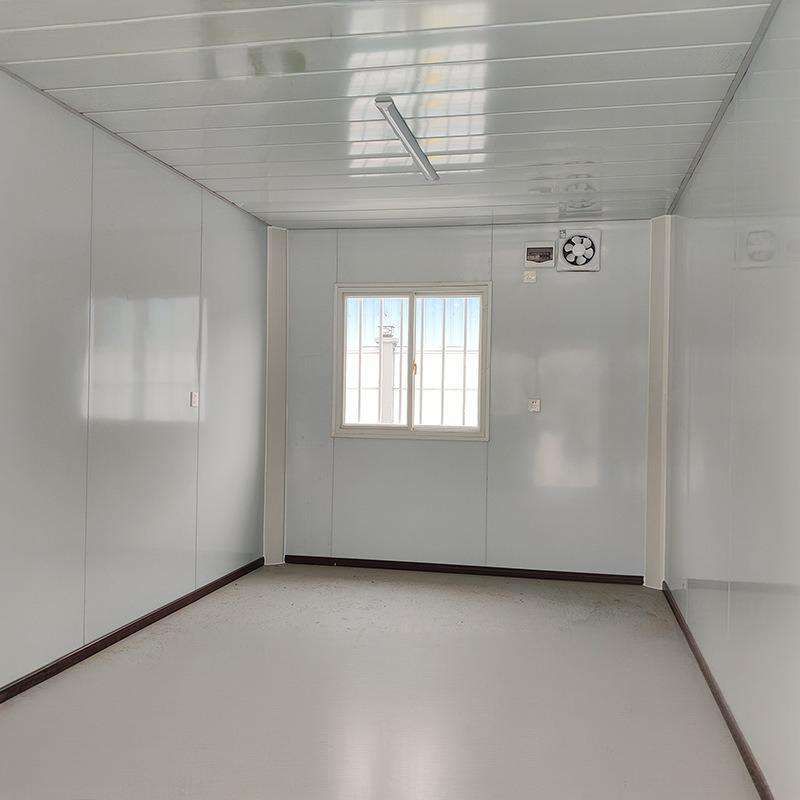
Wuhan prefabricated integrated housing is a prefabricated building form that involves the standardized production of building components in factories, which are then transported to the site for rapid assembly.
Distinctive Technical Features
- Enhanced Efficiency and Environmental Protection: Modular design, factory-based manufacturing, and mechanized installation significantly improve construction efficiency, reducing project durations by 30%-50%. Simultaneously, they minimize on-site wet work, reducing dust and noise pollution, aligning with green building principles.
- Adaptation to Wuhan's Climate: Given Wuhan's rainy and humid conditions, factory prefabrication avoids weather-related impacts on construction quality, ensuring structural accuracy and durability, and preventing delays and quality issues caused by weather in traditional construction methods.
- Scientific Structure and Design: Light steel frame structures or concrete prefabricated components are commonly used, combined with BIM technology for detailed design, enabling precise component alignment. Walls, floors, and other components undergo integrated processing in factories for insulation, waterproofing, and pipeline embedding, requiring only bolt connections or welding on-site, greatly enhancing building integrity and airtightness.
- Outstanding Performance Advantages: These houses boast good earthquake resistance and dismantlability, suitable for various scenarios such as temporary resettlement, affordable housing, cultural and tourism campsites, meeting the practical needs of urban renewal and emergency construction.
Strong Industrial Foundation
A national-level prefabricated building industrial base in Wuhan Economic and Technological Development Zone is a leading technology enterprise in Central China. Equipped with fully automated production lines, it has an annual production capacity of 200,000 cubic meters and offers full-process service capabilities. It employs intelligent warehousing and logistics systems to ensure precise component delivery, has passed ISO quality management system certification with product key indicators exceeding national standards, and collaborates with multiple universities to research and develop new materials, driving technological advancements.
Wide Range of Application Scenarios
These houses find applications ranging from temporary office buildings to rural homestays, from post-disaster resettlement to scenic area supporting facilities. During the construction of a Wuhan makeshift hospital in 2023, integrated houses were erected in three days, ensuring rapid deployment of medical resources. Compared to traditional buildings, construction periods were shortened by over 50%, construction waste reduced by 80%, and carbon emissions decreased by 40%.
Strong Policy Support
The Hubei Provincial Housing and Urban-Rural Development Department issued the "Implementation Opinions on Accelerating the Development of Prefabricated Buildings," setting a target for integrated houses to account for 30% of newly built structures by 2025. Industrial bases have been established in Wuhan, Xiangyang, and other cities, with an annual production capacity exceeding one million square meters. With technological advancements, Hubei's integrated houses are moving towards intelligence and green development, poised to become a national innovation hub for prefabricated buildings in the future.



