
Worldwide Demand for Chinese Prefabricated Houses
There is a high demand for Chinese prefabricated houses worldwide, with Chinese prefabricated houses having been exported to more than 160 countries and regions globally, demonstrating significant advantages in multiple fields.
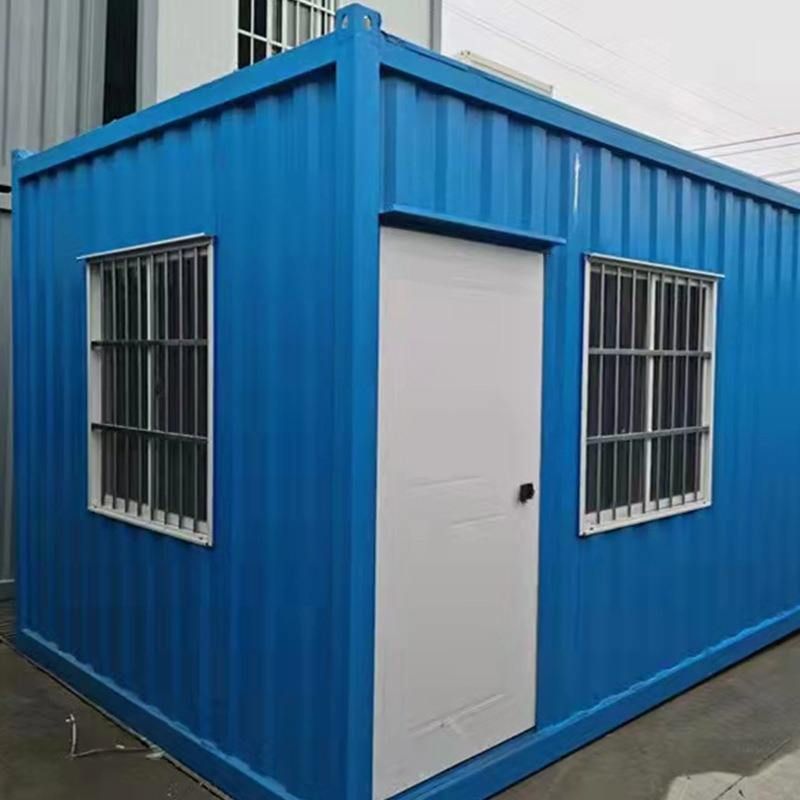
Significant Cost and Efficiency Advantages
In Australia, builder Tony noted that the cost of imported Chinese modular housing for constructing camps in remote mining areas is approximately 30% lower than local construction. This advantage stems from the large-scale production, standardized design, and efficient transportation model of Chinese prefabricated houses, significantly reducing material waste and labor costs. For example, Philippine developer RGJ utilized Chinese prefabricated house technology to construct a 12-story fully furnished apartment building in just nine days, whereas traditional construction methods typically require months or even longer. This "plug-and-play" feature makes Chinese prefabricated houses the preferred choice for time-sensitive projects.
Technological Strength Recognized Internationally
Mohammed Alabbar, the developer of the world's tallest building, the Burj Khalifa, invited a Chinese company to construct a 50-meter-high residential building in the UAE, with a project value of 125 million yuan. This case demonstrates that Chinese prefabricated house technology has reached international high-end market standards and can meet complex architectural needs. Additionally, the modular data center projects of Jiangmen CIMC Digital Energy Equipment Co., Ltd. have covered countries such as Malaysia, Indonesia, the Middle East, and Italy, with a cumulative delivery of over 1,000 megawatts of installed capacity, proving that Chinese prefabricated houses are also competitive in the high-tech sector.
Diversified Application Scenarios
The application scenarios of Chinese prefabricated houses have expanded from traditional residential buildings to commercial, elderly care, and temporary facilities. A British merchant purchased 63 modular elderly care apartment modules from a Chinese factory, which were installed on-site in just two weeks after shipment, demonstrating the advantages of prefabricated houses in rapid deployment and flexible combination. A merchant from Papua New Guinea converted 84 Chinese modules into a fully functional hotel, showcasing the ability of prefabricated houses to adapt to different climatic and cultural needs.
Deepening Global Market Layout
The export scope of Chinese prefabricated houses continues to expand, covering both developed and developing countries. In Southeast Asia, countries such as Malaysia and Indonesia have become major markets for Chinese modular data centers due to strong demand for infrastructure construction. In Europe, countries like Italy are promoting green building development by purchasing Chinese prefabricated houses. This global layout not only enhances the international influence of China's manufacturing industry but also provides a Chinese solution for global sustainable development.



